


Rotate For Symmetry
Turn the pot 90° every 1–2 weeks so new shoots and leaves develop evenly on all sides, which helps maintain a balanced clump and prevents leaning toward the light source.

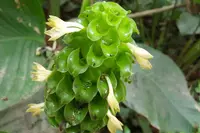
Goeppertia cylindrica is a tropical, rhizomatous houseplant from the rainforests of Brazil, valued for its upright, cylindrical leaves and compact habit. The foliage is typically green with subtle banding, giving a clean, architectural look that suits modern interiors.
It grows from an underground rhizome and forms dense clumps over time, rather than trailing or vining. This species prefers warm, humid conditions, evenly moist but not waterlogged soil, and soft, filtered light.
Its sensitivity to low humidity, cold drafts, and inconsistent watering makes it moderately challenging for beginners. Understanding how to care for Goeppertia cylindrica helps keep the leaves healthy and reduces the risk of brown tips or leaf drop.

Care Difficulty
Moderate Care

Light Preference
Bright Indirect Light

Water Requirements
Keep Soil Moist

Temperature Preference
Tropical / Frost Sensitive

Hardiness Zone
11–12

Soil Texture
Loamy, Peaty, Organic-rich

Soil pH
Acidic (5.5–6.5)

Soil Drainage
Moist but well-drained

Fertilization
Light (every 4–6 weeks)
Scan your plant to receive care tips personalized for your specific plant
Available on iOS and Android
This shade-loving species prefers soft, filtered light that mimics an understory forest floor.
This plant prefers evenly moist, not soggy, soil and reacts quickly to extremes.
Stable, warm conditions support healthy growth and prevent stress in this species.
This species needs consistently high humidity to maintain healthy foliage and avoid leaf damage.
This plant prefers a loose, airy, organic-rich mix that drains quickly yet retains steady moisture.
This species is very suitable for container growing due to its clumping root system and moderate size.
This plant benefits from light, consistent feeding during its active growing season.
Pruning needs are minimal and mainly focus on keeping the plant tidy and healthy.
This species prefers slightly snug pots but benefits from periodic repotting to refresh the substrate.
Propagation is usually done by division rather than from seed or cuttings.
This tropical species is not frost hardy and needs warm, stable indoor conditions in winter.

Plant Health Check
Not sure what's wrong with your plant? Check your plant's health inside the app.
This species forms tight clumps from short, slowly spreading rhizomes, creating a compact, upright tuft rather than loose, running shoots like many other marant relatives.
Although less dramatic than prayer plants, its leaves still shift position between day and night due to nyctinasty, a movement controlled by changes in water pressure in a specialized joint at the leaf base called the pulvinus.
The leaves are unusually narrow, almost cylindrical and folded along the midrib, an adaptation that reduces direct light exposure and water loss in its naturally shaded, humid understory habitats.
Growth is moderate. In stable warmth and high humidity, it usually adds 5–15 cm of height per year and slowly fills its pot. Poor light, dry air, or cramped roots noticeably slow the overall growth rate.
Keep your plants happy and healthy with plant identification, disease detection, and easy care guidance.

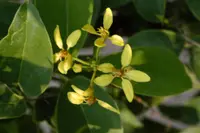
Galphimia glauca
Galphimia glauca

Elephant's Ear
Alocasia Safari Morocco
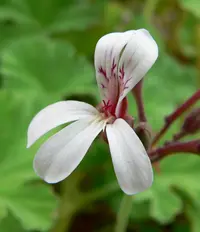
apple geranium
Pelargonium odoratissimum
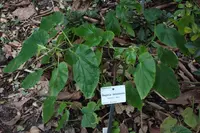
Begonia salaziensis
Begonia salaziensis
Jewel Alocasia
Alocasia cuprea 'Red Secret'
Prayer Plant
Maranta leuconeura 'Erythroneura'
Silver Sword
Philodendron hastatum
Golden Trumpet
Allamanda cathartica