Rose-camphor Storksbill Care (Pelargonium englerianum)

Rose-camphor Storksbill

About Rose-camphor Storksbill

Pelargonium englerianum, commonly called rose-camphor storksbill, is a small, shrubby perennial from arid regions of South Africa. It belongs to the geranium family and is grown mainly as an ornamental curiosity.

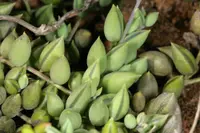
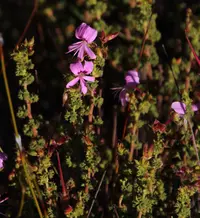
Plants stay compact, with fine, divided foliage that releases a strong rose-camphor scent when touched. Pale flowers appear in loose clusters, giving it a delicate, airy look in containers or dry garden plantings.

This species is adapted to bright, dry conditions and lean, very well-drained soil, which makes it relatively easy to maintain if overwatering is avoided. Understanding how to care for Rose-camphor Storksbill starts with respecting its drought-tolerant, sun-loving nature.

Main Plant Requirements

Care Difficulty

Moderate Care

Light Preference

Full Sun

Water Requirements

Low Water

Temperature Preference

Warm Climate

Hardiness Zone

10–11

Soil Texture

Sandy, Loamy, Rocky

Soil pH

Slightly acidic (6.5–7.0), Slightly alkaline (7.0–7.5)

Soil Drainage

Well-drained

Fertilization

Minimal (feed rarely)

Get Personalized Care Plan

Scan your plant to receive care tips personalized for your specific plant

Available on iOS and Android

How to Care for the Rose-camphor Storksbill

Pelargonium englerianum prefers bright, direct sun but benefits from some protection during the hottest hours.

  • Provide 6–8 hours of sun daily; morning sun and light afternoon shade are ideal, especially in hot summers.
  • The plant tolerates light or dappled shade for part of the day, but stems become leggy and flowering decreases in too little light.
  • In very strong summer sun, especially in dry, reflective sites, shield Rose-camphor Storksbill from harsh midafternoon sun to prevent leaf scorch.

Pelargonium englerianum prefers slightly dry conditions and is sensitive to sitting in wet soil.

  • Allow the top 3–5 cm of soil to dry before watering; in hot, dry weather this may mean more frequent checks rather than a fixed schedule.
  • Ensure sharply drained, gritty soil so excess water runs off quickly, which reduces the risk of root rot and yellow, mushy stems from overwatering.
  • In cooler seasons, water sparingly once growth slows, watching for limp, shriveled leaves as a sign the plant has stayed dry for too long.

This species prefers warm, dry conditions and does not tolerate hard frost.

  • Aim for 65–80°F (18–27°C) during active growth, as this range supports steady foliage and flowering without stress.
  • Protect plants when temperatures fall near 32°F (0°C); prolonged exposure below 30°F (−1°C) can damage stems and roots.
  • In hot spells above 90°F (32°C), provide light shade and good airflow, since extreme heat with reflected sun can scorch leaves and slow growth.

This species handles typical indoor humidity well and rarely needs special humidity management.

  • Aim for 30–50% humidity; Rose-camphor Storksbill tolerates drier air better than many tropical houseplants.
  • Watch for crisp leaf edges and stalled growth as possible signs of very dry air stress rather than overwatering.
  • If air is extremely dry near heating vents, move the plant away or group it with other plants to slightly raise local humidity.

Pelargonium englerianum prefers a light, fast-draining, slightly gritty substrate that dries quickly between waterings.

  • Use a mix of roughly 2 parts standard potting mix, 1 part coarse sand, and 1 part perlite or pumice for sharp drainage.
  • Aim for slightly acidic to neutral pH around 6.0–7.0, avoiding very acidic or strongly alkaline substrates that can limit nutrient uptake.
  • Improve aeration by using chunky components such as pumice, fine bark, or gravel rather than dense compost-only mixes.
  • Avoid heavy, clay-based, or water-retentive soils that stay wet for more than a couple of days, since this increases risk of root and stem rot.

This species is well suited to container growing in bright, dry locations.

  • Choose a relatively shallow but wide pot to match its spreading habit and prevent water from lingering in deep soil columns.
  • Select terracotta if extra evaporation is needed, or glazed ceramic in very hot, dry settings to slow moisture loss slightly.
  • Place the container where it will not tip, as branching stems can make the plant unevenly weighted when dry and woody.

This species benefits from light, consistent feeding during active growth but does not need heavy fertilization.

  • Use a balanced liquid fertilizer (for example 10-10-10) at 1/4–1/2 strength for Rose-camphor Storksbill in spring and summer.
  • Apply every 3–4 weeks when growth is strong, on moist soil to avoid root burn.
  • Pause or reduce feeding to 1 application in 6–8 weeks during fall and winter dormancy.
  • Compost or a slow-release fertilizer mixed lightly into the potting mix can support steady, moderate growth.

Pelargonium englerianum responds well to light, targeted pruning that maintains a compact, flowering shape.

  • Prune in late winter or early spring before vigorous new growth begins.
  • Remove dead, damaged, or crossing stems first, then thin crowded interior shoots for better air flow.
  • Shorten leggy stems by up to 1/3 to encourage branching and more flowering tips.
  • Use clean, sharp scissors or pruners, cutting just above a leaf node to guide new growth.

Container-grown plants benefit from occasional repotting to maintain root health and stable growth.

  • Check for roots circling the pot, emerging from drainage holes, or unexplained slow growth as signals to repot.
  • Plan repotting for early spring every 2–3 years, moving to a pot only 2–5 cm wider with good drainage.
  • Gently loosen circling roots, trim dead portions, and replant in a fresh, free-draining mix to limit stress.
  • Water lightly after repotting, keep in bright but indirect light for 5–7 days, and avoid heavy feeding until recovery is clear.

This plant is most often propagated from stem cuttings, with seeds used less frequently for home growers.

  • Take 7–10 cm semi-ripe stem cuttings in late spring or summer, just below a node, and remove lower leaves.
  • Allow cut ends to dry for several hours, then insert into a gritty, free-draining mix under bright, indirect light.
  • Keep the medium barely moist and warm at 68–75°F to encourage rooting over several weeks.
  • Sow seeds in spring on the surface of a light mix, barely cover, and maintain steady moisture and warmth until germination.

This species has low frost tolerance and benefits from simple, consistent winter protection in most temperate regions.

  • Move container plants indoors before temperatures drop near 40°F, providing bright light and reduced watering.
  • In mild climates, use a light mulch around outdoor roots, keeping it slightly away from the stems.
  • Maintain cool, frost-free conditions indoors, and avoid heavy feeding or pruning until growth resumes in spring.

Care Tips

Encourage Compact Habit

Pinch out just the soft shoot tips every 3–4 weeks in spring and early summer to keep plants dense and low, which helps stems support their own weight and improves flower display.

Rotate For Even Shape

Turn containers 90° every 1–2 weeks during the growing season so all sides receive similar light, which prevents one-sided, leggy growth in this naturally mounding species.

Use Clay Containers

Choose unglazed terracotta pots to allow faster evaporation around the roots, which suits this drought-tolerant species and reduces the risk of root problems compared to non-porous containers.

Seasonal Growth Reset

At the end of the main flowering flush, lightly cut back the longest stems by 1/3 and remove spent flower stalks to trigger a neater cushion of new shoots and a second, lighter bloom.

Monitor Crown Airflow

Keep the central crown free of dead leaves and crowded stems to maintain airflow around the plant base, which lowers the risk of fungal spots when caring for Rose-camphor Storksbill in containers.

Common Pests and Diseases

Pelargonium rust

This disease causes yellow spots on the upper leaf surface and brown powdery pustules on the underside, leading to leaf yellowing and drop. Symptoms include a patchy, thin canopy when infections are repeated.

Solution

Remove and discard all heavily spotted leaves and any plant debris, then space plants to improve airflow and avoid overhead watering. If conditions stay humid, apply a labeled fungicide for rust on pelargoniums and keep foliage as dry as possible to prevent reinfection.

Botrytis blight

This disease appears as soft, water-soaked patches on leaves, stems, or flowers that turn tan to brown and develop gray, fuzzy mold in cool, damp conditions. Symptoms include rapid collapse of affected flower stalks and lower leaves in crowded plants.

Solution

Cut off and discard all infected tissue, then increase ventilation and reduce humidity around the plant, especially at night. Water at the base in the morning, keep dead flowers removed, and use a suitable botrytis fungicide only if cultural steps do not stop new lesions.

Whiteflies

These insects are tiny white, moth-like adults that fly up when the plant is disturbed, along with small sap-sucking nymphs on the leaf undersides. This pest causes leaf yellowing, sticky honeydew, and sometimes sooty mold growth on foliage.

Solution

Use yellow sticky traps to monitor and reduce adult numbers, and regularly wash the undersides of leaves with a strong but gentle stream of water. For persistent infestations, apply insecticidal soap or a light horticultural oil to the leaf undersides every 7–10 days, making sure the plant is not stressed by heat or drought.

Aphids

These insects cluster on soft shoot tips, flower stems, and buds, sucking sap and causing curling, distortion, and sticky honeydew. Symptoms include misshapen new leaves and reduced flowering, especially on actively growing shoots.

Solution

Prune off heavily infested shoot tips and rinse remaining colonies from stems and leaves with lukewarm water. Follow up with insecticidal soap or neem oil, ensuring thorough coverage of new growth every few days until no new aphids appear, and avoid excess nitrogen fertilization that promotes very soft growth.

Pelargonium bacterial leaf spot

This disease produces small, dark, water-soaked spots that can merge into larger irregular lesions, often with a yellow halo. Symptoms include distorted leaves and premature leaf drop, especially under warm, wet conditions.

Solution

Promptly remove and discard affected leaves and avoid splashing water from plant to plant, keeping foliage dry as much as possible. Disinfect tools, isolate any strongly affected plant, and if the problem persists, discard the most diseased plants and restart with certified clean material while following strict Pelargonium englerianum care instructions to limit stress.

Interesting Facts

Rocky habitat specialist

This species is naturally restricted to arid, rocky slopes and ledges in the Western Cape of South Africa, where it anchors itself in crevices that offer fast drainage and intense light.

Distinctive leaf architecture

It has small, finely divided, almost feathery leaves that reduce surface area and help limit water loss, an adaptation to its dry, wind-exposed mountain habitat.

Limited natural distribution

The species is considered range-restricted and is known only from a relatively small geographic area, which makes wild populations more sensitive to habitat disturbance than many common pelargoniums.

Botan icon

Did you know?

Unlike many showy garden pelargoniums, this species has attracted interest among specialist collectors for its unusual, compact, rock-adapted growth form and its association with a very narrow ecological niche in South African mountain systems.

FAQs about Rose-camphor Storksbill

This species can be grown indoors if it receives strong light, good air circulation, and a fast-draining potting mix. It stays relatively compact, offers scented foliage, and works well on bright windowsills or in cool, sunny rooms.

Grow Healthy Plants with Botan Care

Keep your plants happy and healthy with plant identification, disease detection, and easy care guidance.

Botan plant care app — identify plants on mobile

Explore More Plants