Aloe haworthioides Care

Aloe haworthioides

About Aloe haworthioides

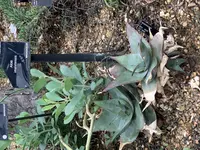
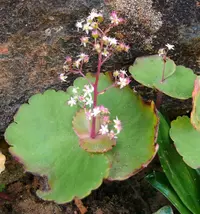
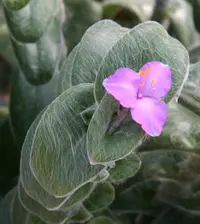
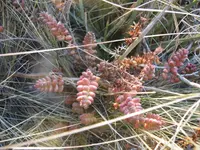
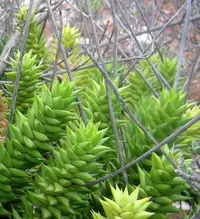
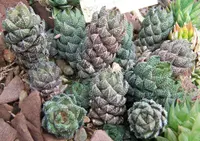
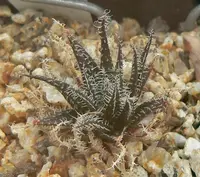
Aloe haworthioides is a small, slow-growing succulent from Madagascar, valued for its compact rosette form and finely spined, bristly leaves. The foliage often has a gray-green tone and forms dense clumps over time.

In the right conditions it may produce slender flower stalks with small tubular blooms, adding subtle interest rather than bold display. Its drought tolerance and modest size make it suitable for windowsills, small containers, and rock gardens in mild climates.

This species prefers bright light, sparse watering, and very free-draining, gritty soil. With these basics in place, it is relatively straightforward to care for Aloe haworthioides.

Main Plant Requirements

Care Difficulty

Moderate Care

Light Preference

Partial Sun

Water Requirements

Low Water

Temperature Preference

Tropical / Frost Sensitive

Hardiness Zone

10–11

Soil Texture

Sandy, Loamy, Rocky

Soil pH

Slightly acidic (6.5–7.0), Neutral (7.0)

Soil Drainage

Well-drained

Fertilization

Minimal (feed rarely)

Get Personalized Care Plan

Scan your plant to receive care tips personalized for your specific plant

Available on iOS and Android

How to Care for the Aloe haworthioides

This compact aloe prefers bright, gentle sun that mimics high‑light, semi‑shaded rock crevices in its native habitat.

  • Provide 4–6 hours of bright light daily, ideally morning sun with light afternoon shade, especially in hot, dry climates.
  • Grow outdoors in bright partial shade or filtered light; strong midday sun behind glass can scorch leaves, turning tips brown or reddish.
  • If stems stretch or rosettes open loosely, light is too low; move Aloe haworthioides gradually to a brighter spot over 1–2 weeks.

This species is drought tolerant and needs infrequent but thorough watering in fast‑draining soil.

  • Water only when the top 3–5 cm of soil are completely dry, then soak and let excess drain away fully.
  • Reduce watering sharply in cool seasons, sometimes to once every 3–4 weeks; in warm active growth, intervals may shorten depending on drying speed.
  • Soft, yellowing, or translucent leaves and a sour soil smell indicate overwatering; very thin, wrinkled leaves indicate the plant stayed dry too long.

This aloe prefers warm, dry conditions and is vulnerable to prolonged cold and frost.

  • Aim for 65–80°F (18–27°C) during active growth, with good air movement and low to moderate humidity.
  • Protect from temperatures below 40°F (4°C); brief drops to 32°F (0°C) may be survived if soil is dry, but repeated frost damages tissue.
  • In hot spells above 90°F (32°C), give light shade and ensure the root zone stays slightly cooler, avoiding heat buildup near walls or rocks.

This species prefers dry indoor air and rarely needs extra humidity attention.

  • Target 30–50% humidity, which matches most heated or air-conditioned homes.
  • Dry air is well tolerated; problems usually come from excess moisture around the roots, not low humidity.
  • If leaf tips shrivel while soil stays dry for long periods, slightly increase room humidity with a nearby tray of water and stones, not misting Aloe haworthioides.

Use a very fast-draining, gritty mix that mimics arid, rocky soil.

  • Choose a sandy, mineral-based mix with coarse particles that keep the structure open and airy.
  • Blend roughly 50–70% inorganic materials such as pumice, perlite, and coarse sand with 30–50% cactus potting mix.
  • Aim for slightly acidic to neutral pH around 6.0–7.0, which suits Aloe haworthioides root uptake.
  • Avoid peat-heavy, compact, or water-retentive mixes that stay wet longer than 2–3 days after watering.

This compact succulent is very suitable for container growing.

  • Select a shallow, wide pot to match its fibrous, shallow roots and prevent unused, moisture-holding depth.
  • Use unglazed terracotta if extra evaporation is needed to keep the mix dry between waterings.
  • Raise the pot on feet or a stand so drainage holes stay clear and water cannot pool under the container.

This small succulent has modest nutrient needs, so use light, infrequent feeding during the active season.

  • Apply a diluted balanced liquid fertilizer (around 10-10-10 at 1/4–1/2 strength) every 4–6 weeks in spring–summer.
  • Choose products formulated for cacti and succulents rather than rich composts or heavy slow-release spikes.
  • Water the plant first, then feed to reduce root burn risk, and avoid splashing solution on leaves.
  • Stop fertilizing Aloe haworthioides in fall–winter when growth slows.

Pruning needs are minimal and focus on hygiene rather than reshaping this compact species.

  • Best time is late spring or early summer when growth is active and recovery is fastest.
  • Remove dead, dried, or damaged leaves at the base using clean, sharp scissors or small pruning snips.
  • Trim off spent flower stalks close to the rosette once they have completely dried.
  • Avoid heavy cutting, as pruning does not significantly improve shape and can stress the plant.

This slow-growing succulent prefers slightly tight pots and only occasional repotting.

  • Repot every 2–3 years or when roots circle the pot, drainage slows, or growth becomes noticeably reduced.
  • Choose late spring as the ideal time, using a small pot with excellent drainage and a gritty cactus mix.
  • Gently tease roots apart, remove old compacted soil, and handle the plant by the base to limit damage.
  • After repotting Aloe haworthioides, keep soil barely moist for 1–2 weeks to reduce transplant shock and root rot risk.

Propagation is most successful using offsets, which this species produces around the mother rosette.

  • Detach offsets in late spring–summer when they have several leaves and visible roots.
  • Let cut or broken surfaces dry for 1–2 days to form a callus, reducing rot risk.
  • Plant offsets in a shallow tray or small pot with dry, gritty succulent mix, then water lightly after a few days.
  • Seeds can be sown in warm, bright, lightly moist conditions but grow Aloe haworthioides more slowly from seed.

Cold-sensitive Aloe haworthioides benefits from dry, cool, frost-free winter conditions.

  • Keep indoor temperatures around 50–60°F, avoiding drafts and sudden temperature drops.
  • If grown outdoors in containers, move plants inside before temperatures approach 40°F or risk of frost.
  • Provide bright light near a south- or west-facing window to prevent weak, stretched growth.
  • Reduce watering significantly so the soil stays mostly dry, which improves cold tolerance and prevents rot.

Care Tips

Shallow pot choice

Use a wide, shallow pot with several drainage holes to accommodate its fibrous surface roots and allow offsets to spread without risking rot in deep, wet soil layers.

Offset management

Gently remove and repot offsets once they have at least a small root system, as this reduces crowding in the mother pot and improves air circulation around the dense rosettes.

Airflow optimization

Place the plant where it receives light but steady air movement, such as near (not directly in front of) a vent or an open window, to help the fine leaves dry quickly after any moisture exposure and discourage fungal problems.

Targeted pest checks

Inspect closely between the bristly leaf bases with a flashlight every few weeks to catch early mealybug or scale infestations that can hide in tight crevices and are easy to miss at a glance.

Seasonal rest adjustment

During its natural winter rest, slightly reduce disturbance by avoiding frequent repotting or offset removal so the plant can conserve energy and resume stronger growth when days lengthen, which supports long-term success in caring for Aloe haworthioides.

Common Pests and Diseases

Aloe mite

This pest causes distorted, bumpy, or warty growth, often along leaf margins and at the center of the rosette. Symptoms include thickened tissue and irregular, cauliflower-like swellings that do not resemble normal offsets.

Solution

Immediately isolate the plant, then remove and discard all affected tissue with sterile tools, cutting well into healthy-looking parts. Disinfect tools between cuts, keep the plant in drier, moving air, and if deformities continue to spread, discard the entire plant to prevent transmission to other aloes when caring for Aloe haworthioides.

Aloe rust

This disease produces small yellow spots on leaves that turn into sunken, dark brown to black pustules, often with an orange halo. Symptoms include patchy discoloration that can merge into larger necrotic areas under humid, stagnant conditions.

Solution

Remove and discard affected leaves, improve air circulation, and avoid wetting the foliage when watering. Keep the plant in a dry, bright spot and, if new lesions continue to appear, apply a sulfur-based or copper-based fungicide labeled for ornamental succulents, following package directions carefully.

Aloe scale

These insects appear as small, hard, dome-shaped or oval bumps on leaves and at the leaf bases, often gray, brown, or off-white. This pest feeds on sap, causing yellowing, dull foliage, and weakened growth, and may leave sticky honeydew on nearby surfaces.

Solution

Physically remove scale with a cotton swab dipped in isopropyl alcohol, working carefully between the narrow leaves. After the first cleaning, repeat inspections weekly for several weeks and, if needed, use a horticultural oil spray labeled for succulents, applying in the evening to avoid leaf burn.

Mealybugs

These insects form white, cottony clusters deep in the leaf rosette and around the roots in the potting mix. This pest weakens the plant, causes stunted growth, and often appears in response to excess fertilizer or low light conditions.

Solution

Take the plant out of its pot and wash roots and leaves under a gentle stream of lukewarm water, then remove remaining insects with cotton swabs dipped in isopropyl alcohol. Repot into fresh, well-draining soil, reduce fertilizer, and keep the plant in bright light, repeating spot treatments every 7–10 days until no new mealybugs appear.

Basal stem rot

This disease starts at the base of the rosette where leaves meet the stem, leading to soft, watery, or translucent tissue that collapses easily. Symptoms include a sour or musty smell and a loose, wobbly rosette, often after prolonged overwatering or cold, wet soil.

Solution

At the very first signs, unpot the plant, cut away all soft, discolored tissue, and dust the remaining healthy parts with a dry fungicidal powder or ground cinnamon. Allow the cleaned rosette to dry for several days in a warm, airy place before re-rooting it in fresh, sharply draining succulent mix, and adjust watering to keep the soil dry most of the time.

Interesting Facts

Miniature cliff specialist

In its native range in Madagascar, this species often grows in narrow rock crevices on exposed cliffs, anchoring itself with a compact root system adapted to thin, gritty soils.

Haworthia-like foliage

The plant was named haworthioides because its dense, pointed leaves with fine surface markings resemble small Haworthia species, despite being a true Aloe.

Night-blooming tubular flowers

It produces slender, tubular orange to reddish flowers on tall stalks, which typically open in the evening and are shaped for pollination by long-tongued insects and possibly nectar-feeding birds in its habitat.

Botan icon

Did you know?

Aloe haworthioides often forms dense, cushion-like clumps over time, with many rosettes tightly packed together, allowing the colony to stabilize shallow, rocky substrates and reduce water loss from the exposed surface around the plants.

FAQs about Aloe haworthioides

Lack of blooms usually relates to insufficient light, a pot that is too large, or no cool, drier winter rest. Provide bright conditions, avoid heavy feeding, and keep slightly cooler in winter to encourage flower stalks.

Grow Healthy Plants with Botan Care

Keep your plants happy and healthy with plant identification, disease detection, and easy care guidance.

Botan plant care app — identify plants on mobile

Explore More Plants