Encourage Compact Form
Pinch back soft stem tips in spring and early summer to keep plants dense and prevent lanky, sprawling growth, using clean fingers or scissors to avoid tearing the delicate joints between bead-like leaves.

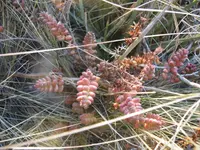
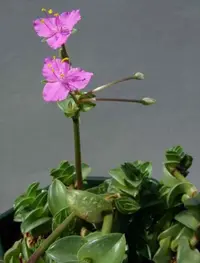
Coral beads (Sedum stahlii) is a small, trailing succulent grown mainly for its bead-like leaves and compact, cascading habit. It is often used in pots, hanging containers, and mixed succulent arrangements.
The plant forms strings of rounded leaves that can turn red or bronze in strong light, giving it a distinctive, decorative look. It naturally occurs in Mexico, where it grows in rocky, well-drained habitats.
Sedum stahlii is generally considered easy to grow, as it tolerates some neglect, short dry periods, and a range of indoor conditions. To care for coral beads, provide bright light, good drainage, and avoid heavy, soggy soil.

Care Difficulty
Easy Care

Light Preference
Full Sun

Water Requirements
Low Water

Temperature Preference
Tropical / Frost Sensitive

Hardiness Zone
10–11

Soil Texture
Sandy, Loamy, Rocky

Soil pH
Acidic (5.5–6.5), Slightly acidic (6.5–7.0)

Soil Drainage
Well-drained

Fertilization
Minimal (feed rarely)
Scan your plant to receive care tips personalized for your specific plant
Available on iOS and Android
Sedum stahlii thrives in bright light but needs some protection from harsh afternoon sun.
This succulent prefers deep, infrequent watering that allows the soil to dry between soakings.
This plant prefers warm, dry conditions and dislikes prolonged cold or frost.
This species is adapted to dry conditions and rarely needs special humidity management indoors.
Sedum stahlii grows best in very fast-draining, mineral-rich soil that prevents waterlogging around the roots.
This small succulent is very suitable for container growing, including small pots and balcony planters.
Sedum stahlii needs only modest feeding, as it naturally grows in low-nutrient, well-drained soils.
Pruning Sedum stahlii is mainly for tidying, encouraging branching, and removing damaged growth.
This succulent prefers slightly tight conditions, so repot only when clear stress signs appear.
Sedum stahlii is commonly multiplied from stem and leaf cuttings, which root well in warm, dry conditions.
This species has limited frost tolerance and benefits from basic winter precautions, especially in containers.

Plant Health Check
Not sure what's wrong with your plant? Check your plant's health inside the app.
The small spherical leaves are attached by narrow constrictions, so individual “beads” detach easily, a trait that helps the plant propagate when fallen segments root along the soil.
Under intense sunlight and mild stress, the foliage shifts from dull green to coppery red or brownish red due to increased production of protective pigments called anthocyanins.
In its native Mexican habitat, this species forms low, scrambling mats over rocks and dry slopes, with stems that become slightly woody at the base as they age.
Yellowing leaves usually result from overwatering, compacted or poorly drained soil, or sudden low-light changes. Allow the mix to dry more between waterings, improve drainage, and remove badly affected stems to reduce rot spreading.
Keep your plants happy and healthy with plant identification, disease detection, and easy care guidance.