Rot-prevention potting
Use a wide, heavy clay pot with extra drainage holes and a 2–3 cm mineral top-dressing (pumice or gravel) to keep the neck and lower leaves dry and reduce the risk of basal rot when growing Aloe imalotensis.

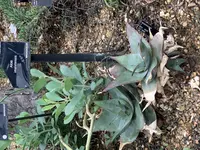
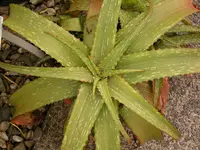
Aloe imalotensis is a small to medium-sized succulent from Madagascar, valued mainly by collectors and experienced growers. It forms tight rosettes of thick, pointed leaves, often patterned with spots or banding and edged with small teeth. Plants stay relatively compact and may slowly form clumps over time.
In habitat, it grows in dry, rocky areas with high light and rapidly draining soils. These origins make it drought-tolerant but sensitive to overwatering and poor drainage.
Because it is less common in cultivation, information on how to care for Aloe imalotensis is more limited, and it suits growers who already manage other aloes successfully.

Care Difficulty
Moderate Care

Light Preference
Partial Sun

Water Requirements
Low Water

Temperature Preference
Warm Climate

Hardiness Zone
10–11

Soil Texture
Sandy, Loamy, Rocky

Soil pH
Slightly acidic (6.5–7.0), Neutral (7.0)

Soil Drainage
Well-drained

Fertilization
Minimal (feed rarely)
Scan your plant to receive care tips personalized for your specific plant
Available on iOS and Android
This species thrives in bright, open sites that mimic dry, rocky habitats.
Watering should imitate infrequent desert rainfall with fast drainage.
This species prefers warm, dry conditions and is sensitive to prolonged cold and frost.
This species prefers dry air and does not need elevated humidity.
This succulent needs very fast-draining, mineral-rich soil to prevent root and crown rot.
This species is well suited to container growing when drainage and stability are managed carefully.
This species benefits from light feeding during the warm growing season but is sensitive to excess nutrients.
Pruning is minimal and mainly keeps the rosette clean and disease-free.
Container-grown plants appreciate infrequent but timely repotting to maintain root health and drainage.
Propagation is usually done from offsets, with seed used mainly for larger-scale or specialist growing.
This succulent dislikes prolonged cold and needs simple measures to avoid frost damage in temperate climates.

Plant Health Check
Not sure what's wrong with your plant? Check your plant's health inside the app.
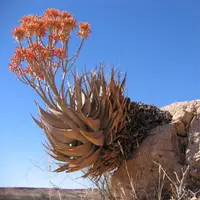
This species is naturally restricted to rocky slopes and cliffs in southern Madagascar, where it grows in shallow pockets of soil with very rapid drainage.
Its foliage forms tight rosettes of relatively soft, narrow leaves that can bend rather than snap, an adaptation to exposure on wind-swept, exposed rock faces.
Aloe imalotensis is known from a limited geographic range, so any collection from the wild can have a measurable impact on native populations, making nursery-propagated plants especially important.
Brown leaves usually come from overwatering, prolonged direct scorchy sun, fertilizer burn, or cold damage. Check roots for rot, remove damaged leaves, adjust watering frequency, and provide gentler light until new, firm growth appears.
Keep your plants happy and healthy with plant identification, disease detection, and easy care guidance.