Sand Aloe Care (Aloe hereroensis)

Sand Aloe

About Sand Aloe

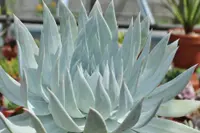
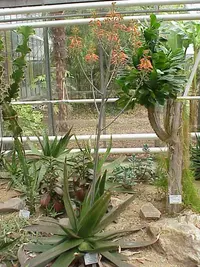
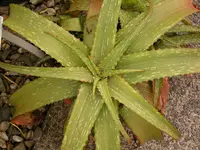
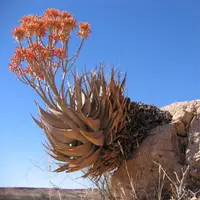
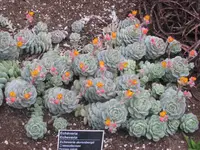
Sand aloe (Aloe hereroensis) is a compact, slow-growing succulent from arid regions of Namibia and South Africa. It forms tight rosettes of blue-green leaves often dusted with a pale, sand-like bloom. Mature plants develop tall flower spikes with tubular orange or red blooms that attract pollinators outdoors. The plant usually grows as a single rosette or small clump, making it well suited to pots and rock gardens. Aloe hereroensis is adapted to strong light, poor, gritty soil, and long dry periods, which makes it relatively easy to manage if not overwatered. Understanding how to care for Sand Aloe mainly involves providing plenty of light, fast-draining soil, and careful watering.

Main Plant Requirements

Care Difficulty

Easy Care

Light Preference

Full Sun

Water Requirements

Low Water

Temperature Preference

Tropical / Frost Sensitive

Hardiness Zone

10–11

Soil Texture

Sandy, Loamy, Rocky

Soil pH

Slightly acidic (6.5–7.0), Neutral (7.0)

Soil Drainage

Well-drained

Fertilization

Minimal (feed rarely)

Get Personalized Care Plan

Scan your plant to receive care tips personalized for your specific plant

Available on iOS and Android

How to Care for the Sand Aloe

This sun-loving succulent thrives in bright, open positions similar to its native arid habitat.

  • Provide 6–8 hours of direct sun daily, ideally with strong morning sun and lighter afternoon exposure to reduce leaf scorch risk.
  • Sand Aloe tolerates light partial shade, but growth becomes looser and leaf color duller if it receives under 4–5 hours of direct sun.
  • In hot summers, offer slight afternoon shade; in winter, prioritize maximum sun by avoiding shade from buildings, trees, or overhangs.

This drought-adapted aloe prefers deep, infrequent watering with thorough drying between soakings.

  • Water only when the top 3–5 cm of soil are completely dry; in hot growing seasons this may mean every 7–21 days, depending on climate and soil.
  • Ensure very sharp drainage using sandy or gritty soil; standing water or compacted soil quickly leads to root rot and leaf base mushiness.
  • Reduce watering sharply in cool seasons, stopping almost entirely if growth pauses; wrinkling, thin leaves suggest underwatering, while soft, translucent leaves suggest overwatering in Aloe hereroensis.

This species prefers warm, dry conditions and is sensitive to prolonged cold and frost.

  • Aim for 65–85°F (18–29°C) for active growth, with best vigor around 70–80°F (21–27°C) in bright, dry air.
  • Protect from frost; short dips to 28–32°F (-2–0°C) may be survived if soil is dry, but tissue damage is likely and repeated freezing is harmful.
  • In hot regions, plants tolerate 95–100°F (35–38°C) if roots are established and soil is very free-draining; provide airflow and avoid reflected heat from walls or rock that can scorch leaves.

This species tolerates typical indoor humidity well and rarely needs special adjustment.

  • Keep humidity around 30–50% to mimic the dry, open habitats of Sand Aloe.
  • Dry household air is usually acceptable; avoid running humidifiers directly nearby for long periods.
  • Watch for edema or soft, splitting leaves as a sign of excess humidity combined with overwatering rather than dryness.

Aloe hereroensis needs a very fast-draining, mineral-rich soil to prevent root rot.

  • Use a gritty, sandy mix such as 50–70% inorganic materials (coarse sand, pumice, or perlite) with the rest a lean cactus potting soil.
  • Aim for slightly acidic to neutral pH around 6.0–7.0, avoiding very alkaline mixes that can limit nutrient availability.
  • Increase aeration by using large, angular particles (3–6 mm) rather than fine sand that compacts and slows drainage.
  • Avoid dense, peat-heavy or clay-based soils that stay wet for more than 1–2 days after watering.

This aloe is well suited to container growing when the pot supports rapid drainage and root stability.

  • Choose a pot just 2–5 cm wider than the root mass so the mix dries evenly instead of staying wet in unused corners.
  • Select unglazed terracotta if extra moisture loss is needed, as the porous walls help dry the mix between waterings.
  • Use a wide, low pot shape to stabilize the rosette and prevent tipping as the plant becomes heavier and offsets develop.

This drought-tolerant Sand Aloe needs only light feeding to stay healthy in pots or poor soils.

  • Use a balanced liquid fertilizer (around 10-10-10 or 20-20-20) diluted to 25–50% strength.
  • Feed once every 4–6 weeks during the warm growing season if growth is active.
  • Skip fertilizer in winter or when the plant is semi-dormant and growth slows.
  • Avoid rich composts or frequent feeding, which increase rot risk and produce weak, soft growth.

Pruning needs for Aloe hereroensis are minimal and focus on hygiene rather than shaping.

  • Best time is late spring to summer when the plant is actively growing.
  • Remove dead, dried, or diseased leaves at the base using clean, sharp scissors or pruners.
  • Cut away damaged or pest-infested tissue to reduce stress and disease spread.
  • Light removal of crowded basal leaves can improve air flow but avoid cutting firm, healthy foliage.

Container-grown plants may need infrequent repotting to maintain healthy roots and stable growth.

  • Repot every 3–4 years or when roots circle the pot, drainage slows, or growth stalls.
  • Choose late spring to early summer for repotting Aloe hereroensis into a gritty, fast-draining mix.
  • Gently loosen circling roots and remove old, soggy soil while keeping the root ball largely intact.
  • Allow roots to dry for 1–2 days after repotting before light watering to limit rot and stress.

New Aloe hereroensis plants are most commonly produced from offsets, with seed used for larger batches.

  • Detach well-formed offsets in late spring or summer, keeping some roots attached if possible.
  • Let cut or broken surfaces callus in dry shade for 2–5 days before planting.
  • Root offsets in a barely moist, very fast-draining succulent mix with bright, indirect light.
  • For seed, sow on the surface of sterile, gritty mix at 70–80°F and keep slightly moist until germination.

This succulent is only mildly frost tolerant and benefits from basic winter precautions in cold climates.

  • Maintain temperatures above 30–35°F; prolonged hard frost can damage leaves and roots.
  • Move container plants indoors to a bright, cool room before the first freeze.
  • Outdoors in mild regions, keep crowns dry and use a light gravel mulch to protect the root zone.
  • Reduce watering sharply in winter so the soil stays almost completely dry between light drinks.

Care Tips

Winter moisture control

In winter, shield the root zone from prolonged rain by moving pots under a deep overhang or using a simple cold frame so the leaves stay cool but the soil does not remain saturated for days.

Tilted rosette planting

When potting, angle the plant very slightly so older leaves shed water away from the crown, which helps reduce rot where old leaf bases trap moisture.

Basal offset management

Allow offsets to form a small clump for a few years, then remove and replant only well-rooted pups with visible new growth to maintain airflow and prevent overcrowding in the main container.

Sun acclimation routine

Before the high-sun season, gradually shift the plant into brighter exposure over 10–14 days to prevent leaf scorch and maintain the natural powdery bloom on the foliage.

Preventing soil compaction

Every 1–2 years, gently lift and replant into fresh, sharply draining mix, brushing off old compacted soil from the outer root mass so water continues to move quickly through the root zone when growing Sand Aloe.

Common Pests and Diseases

Aloe mite

This pest causes abnormal, swollen, or cauliflower-like growths on leaves and around the rosette. Symptoms include distorted tissue that may turn corky or brown over time.

Solution

Remove and discard all affected leaves or entire plants if growths are extensive, as the mites are hidden inside the deformities. Isolate the plant, avoid overhead misting, and use a targeted miticide labeled for eriophyid mites if new galls continue to appear on nearby healthy tissue.

Aloe scale

These insects appear as small, hard, brown or gray bumps along leaf surfaces and at the leaf bases, often with sticky honeydew on or beneath the plant. This pest weakens plants and can cause yellowing or premature leaf drop if populations are high.

Solution

Manually scrape or wipe off visible scale with a cotton swab dipped in isopropyl alcohol, then rinse the plant thoroughly. For heavier infestations, repeat alcohol treatments weekly and use a systemic insecticide labeled for ornamental succulents, keeping the plant in bright, dry conditions to support recovery.

Aphids

These insects cluster on soft leaf bases, flower stalks, and emerging growth, excreting sticky honeydew that can lead to sooty mold. This pest can cause curling or distortion of new leaves and weaken flowering stems.

Solution

Spray the plant with a strong stream of water to dislodge colonies, then treat remaining aphids with insecticidal soap or a light horticultural oil, applied in the early morning and repeated as needed. Keep the plant in good light and avoid high nitrogen fertilizer, which encourages soft, aphid-prone growth.

Leaf spot

This disease causes small, water-soaked or tan to dark brown spots on leaves that may enlarge and merge into irregular lesions. Symptoms include weakened, blotchy foliage that may dry out or collapse at the damaged areas.

Solution

Cut off heavily spotted leaves with a clean tool and keep the plant in a bright, airy location with dry leaf surfaces, avoiding overhead watering. If new spots continue to appear, apply a copper-based or other labeled fungicide for succulents, ensuring good airflow around the plant and allowing the potting mix to dry between waterings.

Interesting Facts

Distinct sand-dune form

In its native range, this species typically grows on sandy flats and dunes, forming tight rosettes that help stabilize loose, shifting substrates in arid habitats.

Seasonal leaf color shift

The leaves often change from grey‑green to reddish or bronze tones under strong sun and drought stress, a response linked to protective pigments that reduce light damage.

Tall, branched inflorescences

Mature plants produce relatively tall, branched flower stalks with tubular orange to coral flowers that provide nectar for sunbirds and insect pollinators in the dry season.

Botan icon

Did you know?

This species was first described from southern Africa’s arid regions and shows strong local adaptation, with populations in Namibia and South Africa displaying subtle differences in leaf color and plant stature that reflect microclimate and soil variation across its range.

FAQs about Sand Aloe

Brown leaf tips or patches usually come from underwatering, very low humidity, intense sun scorch, or fertilizer salts. Check the root zone, adjust watering, and flush the soil lightly if fertilizer buildup is suspected.

Grow Healthy Plants with Botan Care

Keep your plants happy and healthy with plant identification, disease detection, and easy care guidance.

Botan plant care app — identify plants on mobile

Explore More Plants