Alluaudia comosa Care

Alluaudia comosa

About Alluaudia comosa

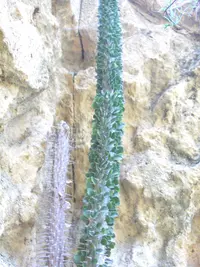
Alluaudia comosa is a spiny succulent shrub to small tree from arid regions of southwestern Madagascar. It belongs to the Didiereaceae, a family adapted to hot, dry climates. Thick, segmented stems carry short leaves along the upper parts, giving it a sparse, architectural look that fits well in specialty succulent collections. Growth is upright and branching, with a strong structural outline even when not in leaf. This species prefers strong light, fast-draining mineral soil, and careful watering that allows the root zone to dry between waterings. For those learning how to care for Alluaudia comosa, its main challenges are avoiding overwatering and providing enough light, especially in cooler or humid climates.

Main Plant Requirements

Care Difficulty

Moderate Care

Light Preference

Full Sun

Water Requirements

Low Water

Temperature Preference

Tropical / Frost Sensitive

Hardiness Zone

11–12

Soil Texture

Sandy, Loamy, Rocky

Soil pH

Slightly acidic (6.5–7.0), Neutral (7.0)

Soil Drainage

Well-drained

Fertilization

Minimal (feed rarely)

Get Personalized Care Plan

Scan your plant to receive care tips personalized for your specific plant

Available on iOS and Android

How to Care for the Alluaudia comosa

This drought-adapted shrub needs strong light to maintain dense growth and healthy spines.

  • Provide 6–10 hours of direct sun daily; full sun is ideal, but light afternoon shade helps in very hot, dry climates.
  • Young or recently transplanted Alluaudia comosa benefits from bright morning sun with lightly filtered light in the harshest afternoon hours.
  • In low light it becomes leggy and pale; gradually increase sun exposure over 10–14 days to prevent leaf scorch when moving to brighter sites.

This species is highly drought-tolerant and needs careful, infrequent watering.

  • Allow soil to dry thoroughly between waterings; in warm, active growth let at least the top 5–10 cm feel dry and the pot or bed feel light before watering again.
  • In winter or cool periods, reduce watering sharply, sometimes to once every few weeks, unless stems begin to noticeably shrivel.
  • Use very fast-draining, gritty soil; yellowing, soft stems or a musty smell indicate overwatering, while wrinkled, deflated segments suggest it is too dry.

This succulent shrub prefers consistently warm, arid conditions with no frost exposure.

  • Optimal growing range is 70–90°F (21–32°C); short spikes to 95–100°F (35–38°C) are tolerated if soil is dry and airflow is good.
  • Protect from temperatures below 40°F (4°C); tissue damage occurs near freezing, and hard frost can kill young plants.
  • In cooler regions, move plants under cover before nights drop below 45°F (7°C) and avoid sudden swings between heated interiors and cold outdoor air.

This drought-adapted succulent tolerates low household humidity without special measures.

Alluaudia comosa needs a very fast-draining, mineral-based substrate to prevent root rot.

  • Use a gritty mix such as 50–60% inorganic material (pumice, coarse sand, small gravel) with 40–50% cactus potting mix.
  • Aim for slightly acidic to neutral pH around 6.0–7.0, avoiding very acidic or salty substrates.
  • Ensure the mix feels loose and airy, with water running through in seconds and no fine peat that stays wet.
  • Avoid dense, clay-heavy, or moisture-retentive soils that stay damp for more than 1 day after watering.

This species adapts well to container culture when the pot is chosen for drainage and stability.

  • Select a heavy, wide-based pot to counter the tall, top-heavy growth and reduce tipping in wind or accidental knocks.
  • Choose unglazed clay or terracotta if extra evaporation is needed, especially in cooler or low-light locations.
  • Keep the soil line a few cm below the rim so water does not pool against the stem during deep, infrequent watering.

This drought-adapted succulent shrub needs only light feeding to maintain healthy growth in containers.

  • Use a low-dose balanced liquid fertilizer (around 10-10-10) at 1/4–1/2 strength during active growth in spring–summer.
  • Feed potted Alluaudia comosa every 6–8 weeks if growth is modest; outdoor in-ground plants often need no fertilizer.
  • Avoid organic compost-heavy mixes that stay wet; use cactus fertilizer suited to fast-draining soil.
  • Stop feeding in fall and winter when growth slows, to prevent weak, elongated stems.

Pruning is mainly used to manage size and remove damaged tissue on this spiny, columnar species.

  • Plan structural cuts in late winter or early spring before strong new growth begins.
  • Remove dead, damaged, crossing, or inward-facing branches to improve light penetration and airflow.
  • Use clean, sharp bypass pruners and thick gloves to handle the thorny stems of Alluaudia comosa safely.
  • Limit tip removal to shape the outline; heavy pruning can slow growth and cause awkward branching.

Container-grown plants appreciate infrequent but careful repotting to maintain a stable root system.

  • Check for roots circling the pot, emerging from drainage holes, or unexplained slowdown in growth as cues to repot.
  • Plan to repot every 3–4 years in late spring, once nights are consistently warm.
  • Move Alluaudia comosa only 1 pot size up into a deep, heavy container with very free-draining cactus or succulent mix.
  • Minimize root stress by keeping the root ball mostly intact, watering lightly after repotting, and shading from intense sun for 3–5 days.

This species is usually propagated from semi-woody stem cuttings under warm, dry-leaning conditions.

  • Take 10–15 cm tip or stem cuttings in late spring–summer when growth is active and temperatures stay above 70°F.
  • Allow cut ends to dry and callus for several days before planting to reduce rot risk in Alluaudia comosa.
  • Insert cuttings into a sterile, gritty mix, then keep barely moist, bright, and warm (75–85°F) until roots develop.
  • Seed propagation is possible but slower; sow fresh seed in warm, bright conditions and keep the mix just slightly moist.

This Madagascan succulent is frost sensitive and needs protection in climates with cold winters.

  • Keep temperatures above 40°F; extended exposure near freezing can scar or kill stems.
  • In regions with frost, grow in containers and move plants indoors or into a heated greenhouse for winter.
  • Provide bright light indoors and water very sparingly, as Alluaudia comosa is semi-dormant in cool conditions.
  • For in-ground plants in mild climates, use a deep, gravelly mulch to keep the root zone dry rather than warm.

Care Tips

Early staking strategy

Install a sturdy, rust-resistant stake or narrow trellis when the plant is still young, then loosely tie the main stem with soft ties to keep the columnar form stable as it gains height and weight.

Controlled branching cuts

If a taller, fuller column is desired, make a single clean cut on the main stem above a node in late spring to encourage 2–3 new vertical shoots instead of many weak side branches.

Root-zone heat management

In hot climates or bright indoor windows, use a light-colored, slightly larger cachepot or top-dress with light gravel to prevent the dark nursery pot from overheating and stressing the shallow root system.

Dormancy watering shift

In regions with a cool, dry winter, gradually extend the interval between waterings in late fall and keep the plant on the drier side through its semi-dormant period to reduce the risk of root rot while still preserving stem firmness when growing Alluaudia comosa.

Preventing mechanical damage

Place the pot away from narrow walkways and common traffic paths so that people and pets do not brush against or knock the spiny stems, which can scar tissue and create entry points for pathogens.

Common Pests and Diseases

Scale insects

These insects feed along the segmented stems, sucking sap and causing yellowing, slowed growth, and scattered honeydew on surfaces below the plant.

Solution

Remove heavily infested segments with clean pruning tools, then gently scrub remaining stems with a soft brush dipped in diluted insecticidal soap or 70% isopropyl alcohol; repeat weekly until no new scale appears and keep the plant in bright, dry, well-ventilated conditions to discourage reinfestation.

Mealybugs

These insects appear as small white cottony clusters at stem joints and on young growth, where they weaken the plant by sucking sap.

Solution

Isolate the plant, dab visible mealybugs with 70% isopropyl alcohol on a cotton swab, then rinse the stems thoroughly; follow with 2–3 applications of insecticidal soap or a neem-based product at 7–10 day intervals and avoid overfertilizing soft, lush growth that attracts them when growing Alluaudia comosa.

Spider mites

These pests thrive in hot, very dry indoor air and cause fine stippling, dull patches on stems, and sometimes delicate webbing between spines and segments.

Solution

Increase air movement, periodically hose or shower the plant to dislodge mites, and apply insecticidal soap or a miticide labeled for ornamental succulents every 5–7 days for several cycles, making sure to reach all sides of the stems.

Sooty mold

This disease develops as black, powdery fungal growth on stems where honeydew from sap-sucking insects has accumulated, interfering with photosynthesis and giving the plant a dirty appearance.

Solution

Address the underlying insect infestation first, then gently wipe or wash affected stems with lukewarm water and mild soap, improving light and airflow so surfaces dry quickly after watering.

Interesting Facts

Endemic dry-forest shrub

This species is native to a very restricted area of dry deciduous forest in southwestern Madagascar, where it grows on rocky slopes and receives highly seasonal rainfall.

Deciduous leaves on spurred stems

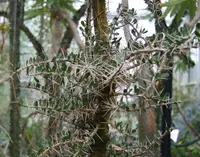
It bears small, short-lived leaves on specialized, spur-like side shoots along its spiny stems, an adaptation that allows rapid leaf production and shedding in response to short wet periods.

Protected under CITES

Wild plants and their parts are regulated by international trade rules (CITES Appendix II), so legal export requires permits to help limit pressure on native populations.

Botan icon

Did you know?

Alluaudia comosa occurs within Madagascar’s spiny thicket and dry forest mosaic, a global conservation hotspot, and its survival is closely tied to the persistence of these highly fragmented, increasingly degraded habitats.

FAQs about Alluaudia comosa

Growth is slow to moderate. In warm, bright conditions it may add about 10–20 cm per year, less in cooler or low-light environments. Limited root space, cool nights, or sparse feeding will slow extension growth further.

Grow Healthy Plants with Botan Care

Keep your plants happy and healthy with plant identification, disease detection, and easy care guidance.

Botan plant care app — identify plants on mobile

Explore More Plants