Fairybell Stonecrop Care (Crassula umbella)

Also known as: Fairy-bell Plakkie
Fairybell Stonecrop

About Fairybell Stonecrop

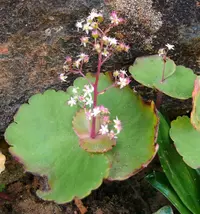
Fairybell stonecrop, Crassula umbella, is a compact succulent from South Africa known for its unusual, umbrella-shaped leaves that form neat, sculptural rosettes. The plant stays low and tidy, making it suitable for small pots, windowsills, and mixed succulent displays.

Its thick leaves store water and help it tolerate short dry periods, so it suits owners who may occasionally forget to water. Growth is slow to moderate, and it prefers bright light, low to moderate moisture, and very well-drained, gritty soil.

These traits generally make it easier to care for Fairybell Stonecrop than more demanding tropical houseplants, as long as excess moisture is avoided.

Main Plant Requirements

Care Difficulty

Moderate Care

Light Preference

Bright Indirect Light

Water Requirements

Low Water

Temperature Preference

Tropical / Frost Sensitive

Hardiness Zone

10–11

Soil Texture

Sandy, Loamy, Rocky

Soil pH

Slightly acidic (6.5–7.0), Neutral (7.0)

Soil Drainage

Well-drained

Fertilization

Minimal (feed rarely)

Get Personalized Care Plan

Scan your plant to receive care tips personalized for your specific plant

Available on iOS and Android

How to Care for the Fairybell Stonecrop

Crassula umbella prefers bright conditions that balance direct sun with protection from harsh midday rays.

  • Provide 4–6 hours of direct morning sun with bright, filtered light the rest of the day; light afternoon shade is helpful in hot, dry climates.
  • Outdoors, place Fairybell Stonecrop where it gets east or southeast exposure; indoors, use a south or east window with sheer curtain if sun is intense.
  • If stems stretch or leaves lose color, increase light; if leaves scorch, turn red-brown, or feel crispy, reduce direct midday sun and give more filtered light.

This succulent stores water in its leaves and needs thorough but infrequent watering.

  • Allow the top 3–5 cm of soil to dry completely before watering; in warm active growth, this may mean watering every 10–21 days depending on climate and soil.
  • Use a sharply draining mix and ensure excess water runs freely away; soggy soil or a swampy smell signals high risk of root rot from overwatering.
  • Shrinkage or wrinkling of lower leaves indicates it is time to water, while mushy, translucent, or yellowing leaves suggest watering is too frequent.

This species prefers warm, dry conditions and reacts poorly to frost or prolonged cold.

  • Aim for 65–80°F (18–27°C) for steady growth; short spells up to about 90°F (32°C) are tolerated if soil is dry and air movement is good.
  • Protect from temperatures below 40°F (4°C); brief exposure near this level may stunt growth, while freezing at 32°F (0°C) or below can kill tissues.
  • In cool seasons, keep it in the warmer part of the garden or home, away from cold drafts, and reduce watering as temperatures drop below 60°F (16°C).

This compact succulent handles typical indoor humidity well and rarely needs special adjustments.

  • Aim for 30–50% humidity, similar to most heated or air-conditioned homes, for stable growth.
  • Dry air is usually tolerated, but very hot, drafty spots can cause leaf edges to crisp and wrinkle.
  • If air is extremely dry, place the pot near other plants or on a pebble tray rather than misting Fairybell Stonecrop.

Crassula umbella prefers a sharply draining, mineral-based substrate that dries quickly between waterings.

  • Use a mix such as 50–60% cactus potting mix with 40–50% extra mineral grit like pumice, perlite, or coarse sand.
  • Aim for slightly acidic to neutral pH, roughly 6.0–7.0, which suits most commercial cactus and succulent mixes.
  • Ensure the mix feels loose and crumbly, not sticky; add extra perlite or pumice if water sits on the surface for more than a few seconds.
  • Avoid heavy, peat-dense or clay soils that stay wet, as these promote root rot and stem base collapse.

This species is very suitable for container growing due to its compact, shallow root system.

  • Choose a wide, shallow pot so roots spread horizontally without holding a deep column of moisture.
  • Unglazed terracotta is useful where overwatering is a risk, as it allows faster evaporation through the pot walls.
  • Place the container where it cannot be knocked, since the raised leaf cups can make the plant slightly top-heavy when grown on tall shelves or stands.

Crassula umbella is a light feeder that benefits from modest, controlled nutrition during active growth.

  • Use a balanced liquid fertilizer (around 10-10-10 or 20-20-20) at 1/4–1/2 strength for caring for Fairybell Stonecrop.
  • Feed every 4–6 weeks in spring and summer when growth is active, skipping any stressed or newly repotted plants.
  • Stop feeding in fall and winter, when growth slows, to prevent weak, stretched tissue.
  • Avoid compost-heavy mixes; instead, use a lean, well-drained succulent soil so salts do not build up around the roots.

Pruning Crassula umbella is mainly used to maintain a compact form and remove weak growth.

  • Best time is late winter to early spring, just before new growth starts.
  • Use clean, sharp scissors or small pruners to remove dead, damaged, or shriveled stems and leaves.
  • Shorten leggy shoots above a leaf node to encourage branching and a tighter rosette display.
  • Remove spent flower stalks at the base to keep the plant tidy and direct energy back to vegetative growth.

Crassula umbella prefers slightly snug pots and only needs repotting when clearly root-bound.

  • Check for roots circling the pot, growing through drainage holes, or noticeably slowed growth as signals to repot.
  • Plan repotting for spring every 2–3 years, when the plant enters its main growth phase.
  • Choose a pot only 2–3 cm wider with excellent drainage and a gritty succulent mix to limit moisture stress.
  • Water lightly after repotting, keep in bright but indirect light, and avoid fertilizing for 2–3 weeks to let roots recover.

Crassula umbella is most often propagated from stem or leaf cuttings taken during the growing season.

  • Take healthy stem segments or firm leaves in spring or early summer, avoiding very old or soft tissue.
  • Let cut surfaces dry and callus for 1–2 days to reduce rot risk, then place on barely moist gritty mix.
  • Provide bright, indirect light, warmth around 70–75°F, and minimal watering until roots develop.
  • Seeds are less common; if used, sow on the surface of a well-drained mix and keep slightly moist, not wet.

Crassula umbella is not frost tolerant and needs protection from freezing conditions in most climates.

  • Move container plants indoors before temperatures drop near 40°F, placing them in bright light.
  • Keep soil almost dry in winter, watering sparingly to prevent root rot in cool conditions.
  • Avoid cold drafts and sudden temperature swings to limit leaf drop and stress.
  • In mild climates, outdoor plants still benefit from overhead cover to shield them from winter rain and chill.

Care Tips

Rotate Pot Regularly

Turn the pot 90° every 1–2 weeks so the rosettes develop evenly and do not lean toward the light, which helps keep the stacked leaves symmetrical and reduces mechanical stress on the stems.

Use Top Dressing

Add a thin layer of decorative gravel or pumice on top of the soil to keep the base of the plant dry, reduce algae and fungus gnat issues, and visually mark how far to keep water away from the stem.

Controlled Offset Removal

When offsets around the base crowd the original rosette, remove a few with a clean, sharp knife and replant them, which improves air circulation for the mother plant and provides healthy material to grow Fairybell Stonecrop in new pots.

Seasonal Light Shift

Move the plant closer to the brightest window in winter and slightly back in summer, preventing stretching in low winter light while reducing the risk of sun scorch during the most intense months.

Targeted Pest Checks

Inspect the leaf bases and undersides monthly for mealybugs or scale, and at the first sign isolate the plant and dab pests with cotton swabs dipped in isopropyl alcohol to prevent colony buildup in the tight rosettes.

Common Pests and Diseases

Mealybugs

This pest often hides in leaf bases and along the stacked, saucer-like leaves, feeding on sap and causing slowed growth and honeydew deposits. Symptoms include white cottony clusters and distorted new growth.

Solution

Isolate the plant, then dab visible mealybugs with cotton swabs dipped in 70% isopropyl alcohol and gently wipe leaf bases and stems. Repeat every 5–7 days until no new insects appear, and reduce excess humidity or crowding to make conditions less favorable for reinfestation.

Soft scale

These insects attach firmly along stems and leaf undersides, sucking sap and leaving sticky honeydew that can lead to sooty mold. Symptoms include raised, oval, tan to brown bumps that do not scrape off easily without damage.

Solution

Manually remove scale with a cotton swab or soft brush dipped in diluted alcohol, then wash the plant with lukewarm water and mild insecticidal soap. Repeat treatments at 7–10 day intervals and keep the plant in bright, drier conditions, avoiding overfertilizing which encourages soft, vulnerable growth.

Aphids

This pest targets tender new growth at the center rosette, causing curling, yellowing, and sticky residue on leaves. Symptoms include clusters of small green, black, or brown insects around young leaves and flower stalks if present.

Solution

Rinse the plant under a gentle stream of lukewarm water to dislodge aphids, then treat remaining insects with insecticidal soap, ensuring full coverage of new growth. Improve ventilation and avoid excessive nitrogen fertilizer to reduce soft, aphid-prone shoots when growing Fairybell Stonecrop.

Edema

This physiological disorder appears when roots absorb water faster than the leaves can transpire, which is common in succulents kept too wet in low light. Symptoms include corky, blister-like patches on leaves, sometimes turning brown and rough.

Solution

Allow the soil to dry more thoroughly between waterings, use a very well-draining cactus/succulent mix, and increase light to bright, indirect levels. Reduce watering volume during cool, low-light periods and ensure the pot has large drainage holes to prevent water buildup around the roots.

Powdery mildew

This disease can develop on crowded plants kept in still air, showing as white, powdery patches on the flat leaf surfaces and margins. Symptoms include dull, grayish areas that may spread and reduce photosynthesis, leading to weakened growth.

Solution

Increase air circulation, avoid overhead watering, and remove heavily affected leaves to reduce spore load. If needed, apply a sulfur-based or potassium bicarbonate fungicide labeled for ornamentals, and keep the plant in brighter, drier conditions to limit recurrence.

Interesting Facts

Unusual cup-shaped leaves

This species develops round, shallow, cup-like leaves held on narrow stalks, forming a small rosette that can trap dew or light rainwater in its center. The leaf shape is uncommon within the genus and makes the plant easy to distinguish from other crassulas.

Naturally restricted range

Crassula umbella is native to limited regions of South Africa, where it grows in rocky, well-drained habitats with seasonal rainfall. Its compact growth and thick leaves are adaptations to conserve water in these relatively harsh, open environments.

Slow, compact growth

In suitable conditions, this plant stays quite small and grows slowly, often remaining a low, clustered rosette. The compact habit reflects its origin in exposed, resource-limited sites where staying small reduces water loss and physical stress.

FAQs about Fairybell Stonecrop

Lack of blooms usually comes from insufficient light, nutrient‑rich soil, or excess nitrogen fertilizer. This species flowers best when slightly stressed, kept in lean, well‑draining substrate, and given a bright, cool, dry rest period after active growth.

Grow Healthy Plants with Botan Care

Keep your plants happy and healthy with plant identification, disease detection, and easy care guidance.


Botan plant care app — identify plants on mobile

Explore More Plants