New Zealand tea tree Care (Leptospermum scoparium)

Also known as: Mānuka, Tea tree, New Zealand tea tree, Crimson tea bush, Manuka Myrtle, Pink Teatree
New Zealand tea tree

About New Zealand tea tree

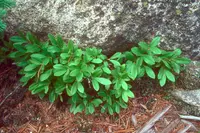
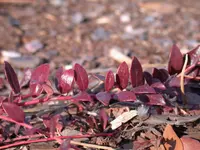
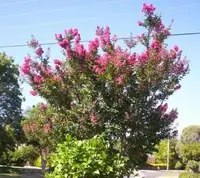
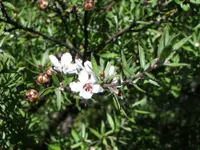
New Zealand tea tree, Leptospermum scoparium, is a small evergreen shrub or tree known for its fine needle-like leaves and masses of small, showy flowers. Forms range from low, bushy plants to taller, airy specimens with a light, twiggy structure.

It is native to New Zealand and parts of Australia, where it grows in coastal and scrub habitats, often on poor, sandy or rocky soils. The plant is valued for its decorative flowers, often white, pink, or red, and for attracting pollinators.

Leptospermum scoparium prefers bright light, well-drained soil, and conditions that do not stay wet for long. Understanding how to care for New Zealand tea tree starts with providing sun, drainage, and avoiding heavy, waterlogged ground.

Main Plant Requirements

Care Difficulty

Moderate Care

Light Preference

Full Sun

Water Requirements

Moderate Water

Temperature Preference

Warm Climate

Hardiness Zone

8–10

Soil Texture

Sandy, Loamy, Rocky

Soil pH

Strongly acidic (4.5–5.5), Acidic (5.5–6.5)

Soil Drainage

Well-drained

Fertilization

Minimal (feed rarely)

Get Personalized Care Plan

Scan your plant to receive care tips personalized for your specific plant

Available on iOS and Android

How to Care for the New Zealand tea tree

This shrub prefers bright, direct light to produce dense growth and heavy flowering.

  • Provide 6–8 hours of full sun daily; in hot inland areas, give morning sun with light afternoon shade to prevent leaf scorch.
  • It tolerates light partial shade (around 3–4 hours of direct sun), but flowering and compact branching decrease as shade increases.
  • In winter, New Zealand tea tree benefits from the brightest spot available; avoid shading from buildings or trees that block low-angle sun.

This shrub prefers evenly moist but sharply drained soil and does not tolerate standing water.

  • Before watering, let the top 3–5 cm of soil dry; in open ground, use finger checks near the root zone rather than a fixed schedule.
  • Increase watering during hot, dry periods and the first 1–2 growing seasons; reduce frequency in cool or rainy weather to avoid root rot in Leptospermum scoparium.
  • Watch for pale, dropping leaves and dry, brittle twigs as underwatering signs; yellowing foliage, soft stems, and a sour soil smell indicate overwatering.

This species is cool-tolerant but grows best in mild, maritime-type climates.

  • Optimal growth occurs around 60–75°F (16–24°C), with steady flowering in climates that avoid weather extremes.
  • Mature plants usually tolerate brief drops to about 20–25°F (-7 to -4°C), but young plants and tender new growth are more easily damaged by frost.
  • It handles dry summer heat up to about 90–95°F (32–35°C) if soil is not waterlogged; prolonged hard freezes or heatwaves above this range can reduce vigor and flowering.

This species prefers relatively dry air and rarely needs humidity adjustment indoors.

  • Target 30–50% humidity, similar to most heated homes, as higher levels are unnecessary for New Zealand tea tree.
  • Dry indoor air is usually tolerated, but extreme heat combined with very low humidity may crisp leaf tips.
  • Persistent leaf edge browning and fine twig dieback can indicate combined drought and low humidity stress rather than humidity alone.

Leptospermum scoparium performs best in lean, sharply drained, slightly acidic soil.

  • Use a sandy or gritty loam with an open structure that lets water pass through quickly while still holding some moisture around the roots.
  • Aim for pH 5.5–6.5; avoid strongly alkaline mixes that can limit nutrient availability and weaken the plant.
  • Blend roughly 50–60% coarse sand or fine gravel with 30–40% loam and 10–20% fine bark, avoiding heavy peat or manure-rich composts.
  • Improve aeration by avoiding dense clay and by incorporating mineral grit rather than extra organic matter, which can hold excessive moisture and cause root rot.

This shrub can be grown in containers if drainage and stability are carefully managed.

  • Choose a deep, narrow-to-medium width pot that encourages a stable, downward root system rather than shallow surface rooting.
  • Select a heavier material like terracotta or ceramic to counter wind rock, which can loosen roots in tall, branching plants.
  • Raise the pot slightly on feet or grids so drainage holes stay clear and water exits rapidly after rain or irrigation.

This shrub grows well in lean soil and needs only light feeding to stay healthy.

  • Use a low-rate, slow-release balanced NPK fertilizer or a thin layer of compost in early spring for New Zealand tea tree.
  • Feed once in spring and, if growth seems weak, once again in midsummer, avoiding high-phosphorus lawn products.
  • Apply at 1/2 strength compared with label rates to reduce salt stress on fine roots.
  • Stop fertilizing in late summer so new growth hardens before winter dormancy.

Pruning helps Leptospermum scoparium keep a dense shape and sustain flowering.

  • Carry out light shaping and thinning right after main flowering finishes in late spring or early summer.
  • Remove dead, damaged, crossing, or overly crowded twigs, cutting back to healthy wood.
  • Avoid cutting into very old, bare wood, which may not reshoot, focusing instead on younger, leafy stems.
  • Use clean, sharp hand pruners and make small, angled cuts to reduce tearing and disease risk.

This species is usually grown in the ground, so focus on careful transplanting and only occasional repotting in containers.

  • Transplant in late winter to early spring when growth is just starting, avoiding hot or very dry periods.
  • Check container plants every 2–3 years; roots circling the pot drainage holes or slowed growth indicate repotting needs.
  • Move to a container only 1 size larger, using a free-draining mix, and disturb roots as little as possible.
  • Water thoroughly before and after moving, then shade from intense sun for 3–5 days to limit transplant shock.

New plants are most often raised from semi-ripe cuttings, though seeds are also used in Leptospermum scoparium plant care.

  • Take semi-ripe tip cuttings in late summer, 7–10 cm long, from non-flowering shoots.
  • Remove lower leaves, dip the base in rooting hormone, and insert into a very free-draining, low-nutrient mix.
  • Keep cuttings warm at 65–75°F with bright, indirect light and high humidity, using a vented cover if needed.
  • Sow fresh seeds on the surface of sandy mix in spring, keeping lightly moist until germination.

Cold tolerance is moderate, so plants in regions with harsh winters benefit from simple protective measures.

  • In-ground plants generally tolerate light frosts but may suffer below about 15–20°F, especially when young.
  • Apply a 5–8 cm mulch layer around the root zone in late fall, keeping it slightly away from the stem base.
  • For container plants, shift pots into a bright, cool, frost-free spot or against a sheltered south-facing wall.

Care Tips

Pinch Young Tips

Lightly pinch out soft shoot tips on young plants in late spring to encourage a denser, bushier structure and reduce the risk of branches becoming leggy and wind-prone.

Wind-Hardening Outdoors

If moving a container plant outside, gradually expose it to breezier spots over 7–10 days so stems strengthen and are less likely to snap in strong winds.

Avoid Root Disturbance

Use tall, narrow pots and slide the root ball out gently when repotting, since this species dislikes having its fine roots broken or heavily teased apart.

Minimal Mulch Ring

Apply only a thin 1–2 cm ring of inorganic mulch like gravel, keeping it a few cm away from the stem base to protect roots from heat while avoiding collar rot.

Salt-Spray Protection

In coastal areas, plant on the leeward side of a building or hedge to reduce direct salt spray, which can scorch foliage and weaken the plant when growing New Zealand tea tree.

Common Pests and Diseases

Scale insects

This pest feeds on young stems and leaves, sucking sap and causing yellowing, reduced vigor, and sticky honeydew that can lead to sooty mold.

Solution

Prune out heavily infested twigs, then wipe or gently scrub remaining scales from stems with a cotton pad dipped in insecticidal soap or horticultural oil, repeating every 7–10 days until new growth appears clean. Improve air movement around the shrub and avoid excess nitrogen fertilizer, which encourages soft, scale-susceptible growth.

Myrtle rust

This disease, caused by the fungus Austropuccinia psidii, produces yellow powdery pustules on young leaves, shoots, and flower buds, which can distort growth and cause dieback.

Solution

Remove and dispose of affected shoots and fallen leaves in household trash, avoiding composting. Improve spacing and airflow, avoid overhead watering, and in areas where myrtle rust is established, monitor new flushes of growth closely and use a registered myrtle rust fungicide at the first sign of symptoms according to local regulations.

Sooty mold

This disease appears as a black, soot-like coating on leaves and stems, usually growing on the honeydew excreted by sap-sucking insects such as scale or aphids.

Solution

Control the underlying sap-sucking pests with insecticidal soap or horticultural oil, then gently wash affected foliage with lukewarm water to restore light penetration. Ensure the plant receives good light and airflow, as healthier foliage recovers more quickly under appropriate Leptospermum scoparium care conditions.

Leaf spot

This disease causes small dark or tan spots on leaves that may enlarge, coalesce, and lead to premature leaf drop, particularly under humid or crowded conditions.

Solution

Prune to open the plant canopy, dispose of fallen leaves, and water at the base to keep foliage dry. In persistent or severe cases, apply a copper-based or other broad-spectrum fungicide labeled for ornamental shrubs, targeting new growth and repeating as directed during humid periods.

Psyllids

These insects are tiny sap-sucking pests that cause pitting, leaf curling, and distorted new growth, sometimes leaving sticky honeydew on foliage.

Solution

Inspect shoot tips regularly and prune out badly distorted growth, sealing and discarding clippings. For light infestations, dislodge nymphs with a strong but controlled spray of water; for heavier problems, use insecticidal soap or a low-toxicity systemic product labeled for ornamental shrubs, applied when young nymphs first appear.

Interesting Facts

Manuka honey source

This species is the primary nectar source for manuka honey in New Zealand, and its nectar contains unique compounds that give the honey distinct antimicrobial properties documented in laboratory studies.

Fire-adapted seed strategy

Plants often retain seed capsules on older wood for years, releasing many seeds after heat or branch death, a strategy that helps populations recover quickly after fire in native scrub habitats.

Naturally insect-resistant foliage

The leaves contain essential oils that make the foliage strongly aromatic when crushed and reduce herbivory by many insects in its native range.

Botan icon

Did you know?

Genetic and pollen evidence shows that this species can dominate early successional stages after disturbance, forming nearly pure stands that may later be replaced by longer-lived forest trees, so it acts as a key pioneer species shaping native ecosystem recovery in parts of New Zealand.

FAQs about New Zealand tea tree

Lack of flowers usually comes from insufficient light, heavy pruning at the wrong time, or excess nitrogen fertilizer. Ensure strong sun, avoid hard pruning after late summer, and use a low-phosphorus, balanced fertilizer sparingly.

Grow Healthy Plants with Botan Care

Keep your plants happy and healthy with plant identification, disease detection, and easy care guidance.

Botan plant care app — identify plants on mobile

Explore More Plants