coastal doghobble Care (Leucothoe axillaris)

Also known as: Swamp Dog-laurel
coastal doghobble

About coastal doghobble

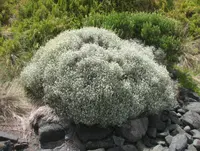
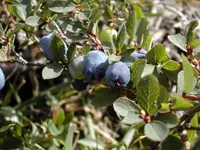
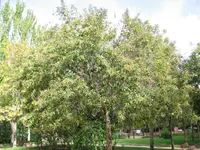
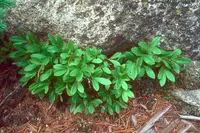
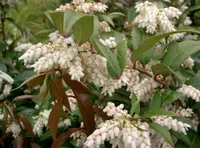
Coastal doghobble, Leucothoe axillaris, is an evergreen shrub grown mainly for its arching stems and dense, glossy foliage. It stays relatively low and forms a graceful, layered mound. New leaves may emerge bronzed or reddish before turning deep green, and small white urn-shaped flowers appear along the stems in spring. This gives the plant subtle ornamental value rather than showy bloom displays. In nature it occurs in moist woodlands and stream banks of the southeastern United States, often in acidic, organic-rich soils. It prefers partial shade and consistently damp but well-drained conditions, which shapes how to care for coastal doghobble in gardens or shaded landscapes.

Main Plant Requirements

Care Difficulty

Moderate Care

Light Preference

Partial Shade

Water Requirements

Keep Soil Moist

Temperature Preference

Cold Hardy

Hardiness Zone

5–8

Soil Texture

Loamy, Peaty, Organic-rich

Soil pH

Strongly acidic (4.5–5.5), Acidic (5.5–6.5)

Soil Drainage

Moist but well-drained

Fertilization

Minimal (feed rarely)

Get Personalized Care Plan

Scan your plant to receive care tips personalized for your specific plant

Available on iOS and Android

How to Care for the coastal doghobble

Leucothoe axillaris grows best in bright, indirect light with protection from strong afternoon sun.

  • Provide dappled or filtered light, or morning sun with afternoon shade, equal to about 3–5 hours of gentle direct sun per day.
  • Site coastal doghobble on the north or east side of buildings or under open-canopy trees to mimic woodland edge light.
  • Watch foliage color and scorch: pale leaves and crispy edges indicate too much sun, while sparse, stretched growth signals insufficient light.

This shrub prefers consistently moist, cool soil that never becomes waterlogged or bone dry.

  • Aim for soil that feels moist 3–5 cm down; water when the top layer just begins to dry, then soak thoroughly and let excess drain away.
  • Increase watering during hot, dry periods and reduce in cool, wet seasons, relying on rain when weekly totals exceed about 2.5 cm.
  • Watch for signs: drooping, dry leaf edges and brittle stems suggest underwatering, while yellowing leaves, soft stems, or a sour soil smell suggest overwatering, especially in heavy clay.

This evergreen shrub is naturally adapted to mild climates with cool to warm temperatures and moderate humidity.

  • Optimal growth occurs around 60–75°F (16–24°C), with steady moisture and shelter from drying winds that can stress foliage.
  • Mature plants tolerate winter lows near 0–10°F (-18 to -12°C) in the ground, but young shrubs benefit from mulch to buffer freeze–thaw cycles.
  • In summer, plants handle 80–90°F (27–32°C) if soil remains moist and roots are mulched; prolonged heat above 95°F (35°C) can cause stress and leaf scorch.

This species prefers consistently moist air but adapts to most outdoor garden humidity levels.

  • Aim for 50–80% humidity, which is typical of shaded woodland or coastal sites.
  • Dry air can crisp leaf edges and increase spider mite risk, especially in hot, exposed spots.
  • Increase humidity by mulching the root zone, grouping shrubs, and avoiding strong drying winds around coastal doghobble.

This shrub needs consistently moist, acidic, well-drained soil to stay healthy and evergreen.

  • Use a loose, humus-rich loam with plenty of organic matter to mimic woodland leaf litter conditions.
  • Target pH 4.5–6.0; peat or fine pine bark can help acidify alkaline native ground.
  • Blend compost, pine bark fines, and a small amount of coarse sand to improve structure and drainage while retaining moisture.
  • Avoid heavy clay that stays waterlogged, compacted ground, or thin, very sandy soil that dries out rapidly.

This species can grow in containers if the pot supports its spreading root system and steady moisture needs.

  • Choose a wide, relatively deep container to accommodate fibrous roots and reduce rapid drying of the mix.
  • Select a heavy, stable pot material such as ceramic to prevent tipping as branches arch outward.
  • Ensure large, unobstructed drainage holes so excess water exits quickly and the lower mix does not stay saturated.

Leucothoe axillaris benefits from light, targeted feeding in nutrient-poor soils rather than heavy fertilization.

  • In spring, apply a slow-release, acid-forming shrub fertilizer or well-rotted compost over the root zone, avoiding direct stem contact.
  • Use a balanced NPK around 10-10-10 at 1/2 label strength for coastal doghobble, as roots are sensitive to salt buildup.
  • Feed once in early spring and again in midsummer only if growth appears weak or leaves pale.
  • Avoid fertilizing in late fall or winter to prevent soft, frost-tender growth.

Leucothoe axillaris responds well to light, timed pruning that maintains shape and plant health.

  • Prune just after flowering in late spring so developing buds for the next year are not removed.
  • Use clean, sharp hand pruners to cut out dead, diseased, or storm-damaged wood at its base.
  • Thin crowded interior stems to improve air flow and light penetration, which reduces fungal issues.
  • Shorten overly long shoots to maintain a compact, arching form without removing more than 1/3 of the plant.

This shrub is usually grown in the ground, so focus on careful transplanting rather than frequent repotting.

  • Transplant in early spring or early fall when temperatures are mild and soil moisture is consistent.
  • Move plants only when root-bound in containers, growth slows noticeably, or roots circle the pot drainage holes.
  • Dig a wide, shallow hole in acidic, well-drained soil; keep the root ball level with surrounding ground to prevent rot.
  • Reduce root stress by watering deeply before and after moving, keeping the original soil around roots intact, and shading for 1–2 weeks.

Leucothoe axillaris is most commonly propagated from semi-ripe cuttings, with layering as a secondary method.

  • Take 7–10 cm semi-ripe stem cuttings in late summer, removing lower leaves and keeping 2–3 at the tip.
  • Dip cut ends in rooting hormone, then insert into a moist, acidic, free-draining mix under high humidity and bright, indirect light.
  • For simple layering in spring, bend a low branch to the soil, wound slightly, peg down, and cover with acidic soil or peat.
  • Leave layered stems in place until well-rooted, usually by the following spring, before severing and replanting.

This broadleaf evergreen is generally cold hardy in much of its range but benefits from some winter preparation.

  • In late fall, apply a 5–8 cm layer of mulch over the root zone, keeping it a few cm away from stems.
  • Water thoroughly before the ground freezes, especially for young or container-grown plants.
  • Move containers to a sheltered, unheated area where roots stay cold but not exposed to repeated freeze–thaw cycles.

Care Tips

Mulch For Roots

Apply a 5–8 cm layer of pine bark or pine needle mulch around the root zone to keep the shallow roots cool, suppress weeds, and maintain the soil acidity this shrub prefers.

Prevent Winter Burn

In colder or windy sites, use a burlap windbreak or plant on the east or north side of a building to reduce winter leaf scorch and desiccation of the evergreen foliage.

Encourage Dense Shape

After flowering, lightly tip-prune the outermost shoots to stimulate branching and create a fuller, denser shrub rather than letting stems grow long and open.

Monitor Leaf Color

Watch for sudden bronzing or reddening of new leaves in summer, which often signals root stress from poor drainage or compaction, and loosen the soil surface gently and improve drainage rather than increasing water.

Use Companion Planting

Combine this shrub with other acid-loving, shade-tolerant plants such as azaleas or ferns to help maintain consistently acidic, organic-rich soil conditions that support long-term success when growing coastal doghobble.

Common Pests and Diseases

Leaf spot

This disease causes tan to dark-brown spots that can coalesce, leading to blotchy, thinned foliage and premature leaf drop, especially in humid, shaded positions.

Solution

Remove and discard badly spotted leaves, thin dense growth to improve airflow, and avoid wetting foliage when watering. In wet climates or recurring cases, apply a copper or chlorothalonil-based fungicide labeled for ornamental shrubs at the first sign of spotting, following label directions.

Powdery mildew

This disease produces a white to gray, powdery coating on young leaves and stems, sometimes causing leaf curling and reduced vigor in dense or shaded plantings.

Solution

Increase light and air movement by selective pruning, and remove heavily infected leaves. During extended humid periods, treat with a sulfur, potassium bicarbonate, or horticultural oil product labeled for powdery mildew, applied in the cooler parts of the day.

Leaf blight

This disease leads to rapidly enlarging dark lesions along leaf margins and tips, which may cause entire leaves or shoots to brown and die back, often after stress or prolonged moisture on foliage.

Solution

Prune out blighted shoots back into healthy wood and dispose of all infected material, then sanitize pruning tools with alcohol or a 10% bleach solution. Improve drainage around the shrub, avoid overhead irrigation, and if the problem recurs, consider a preventative fungicide program suitable for broadleaf evergreens according to label instructions.

Azalea lace bug

This pest feeds on the undersides of leaves, causing pale stippling, yellowing, and a dull, bleached appearance, often with dark varnish-like spots of excrement visible beneath the foliage.

Solution

Inspect leaf undersides regularly and wash them thoroughly with a strong stream of water to dislodge nymphs. For persistent infestations, use horticultural oil or insecticidal soap directed to the leaf undersides, repeating as needed, and encourage natural predators by limiting broad-spectrum insecticides in the garden.

Scale insects

These insects appear as small, dome-shaped or flattened bumps on stems and sometimes leaves, extracting sap and causing gradual yellowing, leaf drop, and reduced vigor, often accompanied by sticky honeydew and sooty mold.

Solution

Gently scrape off or prune out heavily infested twigs and dispose of them. For remaining populations, apply horticultural oil during the dormant season or on cool days in the growing season, ensuring thorough coverage of stems, and repeat treatments if necessary according to product directions for Leucothoe axillaris care.

Interesting Facts

Evergreen streamside specialist

This shrub naturally grows along acidic, moist stream banks in the southeastern United States, forming dense thickets that stabilize soil and reduce erosion in riparian habitats.

Shade-tolerant photosynthesis

It is adapted to deep woodland shade, with leaves that maintain efficient photosynthesis at low light levels, allowing it to thrive under dense tree canopies where many shrubs fail.

Subtle seasonal leaf color

Although evergreen, its foliage often develops reddish or bronze tints in cooler weather, a response linked to protective pigments called anthocyanins that help shield leaf tissues from stress.

Botan icon

Did you know?

Leucothoe axillaris is closely associated with longleaf pine and other coastal plain ecosystems of the southeastern US, and its presence is often used by field botanists as an indicator of undisturbed, naturally acidic, high-moisture woodland and streamside habitats.

FAQs about coastal doghobble

Yellowing leaves often result from waterlogged soil, root stress, or nutrient imbalance, especially low nitrogen or iron. Check drainage, avoid standing water, and apply a balanced, acid-forming shrub fertilizer if recent growth looks pale or uniformly yellow.

Grow Healthy Plants with Botan Care

Keep your plants happy and healthy with plant identification, disease detection, and easy care guidance.

Botan plant care app — identify plants on mobile

Explore More Plants