Salt-wind hardening
If planting near the coast, gradually acclimate nursery plants by placing them in the intended windy, salty location for 5–7 days before planting so the foliage can toughen and avoid burn.

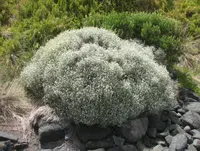
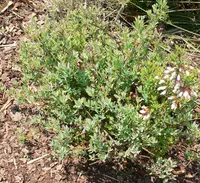
Cushion bush, Leucophyta brownii, is a compact evergreen shrub known for its dense, rounded form and fine, twiggy branches. It typically appears silvery white due to tiny hairs covering its stems and leaves.
This plant is native to coastal areas of southern Australia, where it grows in windy, salty, and sandy conditions. Its tolerance of drought, salt spray, and poor, well-drained soils makes it relatively low maintenance.
Gardeners care for cushion bush mainly as a structural accent or contrast plant in borders and containers. It generally prefers bright light and dry, free-draining soil, which supports its naturally tough, resilient character.

Care Difficulty
Easy Care

Light Preference
Full Sun

Water Requirements
Low Water

Temperature Preference
Warm Climate

Hardiness Zone
9–11

Soil Texture
Sandy, Loamy, Rocky

Soil pH
Neutral (7.0), Slightly alkaline (7.0–7.5)

Soil Drainage
Well-drained

Fertilization
Minimal (feed rarely)
Scan your plant to receive care tips personalized for your specific plant
Available on iOS and Android
This coastal shrub prefers bright, open conditions with strong light and good air movement.
This species is drought-tolerant and prefers slightly dry conditions over frequent moisture.
This plant thrives in mild, coastal-type climates with cool winters and warm, dry summers.
Humidity is rarely a limiting factor for Leucophyta brownii, which prefers dry air and copes well in most homes.
Leucophyta brownii prefers very free-draining, low-fertility soil that mimics sandy coastal habitats.
This species is well suited to container growing in sunny, exposed sites.
Leucophyta brownii grows best in lean, well-drained soil and needs only modest feeding.
Pruning helps Leucophyta brownii keep a dense, rounded form and prevents it from becoming woody and open.
This coastal shrub is usually grown in the ground, but container plants or young specimens sometimes need transplanting.
Leucophyta brownii is most often propagated from cuttings to maintain its compact, silvery form.
This species is moderately frost tolerant but benefits from some attention in colder winters, especially in containers.

Plant Health Check
Not sure what's wrong with your plant? Check your plant's health inside the app.
This coastal shrub naturally grows on exposed sea cliffs and dunes in southern Australia, tolerating direct salt spray and strong winds that damage most other plants.
Its dense, silvery-white branchlets and tiny leaves are covered with fine hairs that reflect sunlight, helping the plant avoid overheating and water loss in harsh coastal sun.
The plant develops a compact, tangled, cushion-shaped framework of interwoven stems that reduces wind drag and protects inner tissues from desiccation in stormy coastal conditions.

In its native Australian range, this species is often one of the few woody plants able to colonize the most exposed foredunes and cliff edges, helping stabilize loose coastal sands and creating microhabitats that allow less hardy species to establish afterward.
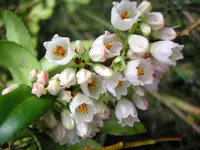
Flowering is often reduced by excessive shade, rich or moist soil, or heavy pruning at the wrong time. This coastal shrub sets buds on new growth, so light pruning after flowering and lean, well-drained conditions encourage more blooms.
Keep your plants happy and healthy with plant identification, disease detection, and easy care guidance.