Root-zone mulching
Maintain a 5–8 cm layer of leaf mold or shredded bark over the root zone, keeping it a few cm away from the trunk, to stabilize soil moisture and temperature and protect the plant’s shallow feeder roots from damage.

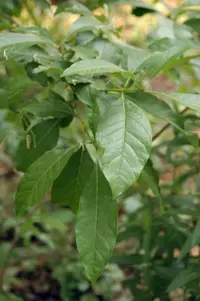
Fringetree, Chionanthus virginicus, is a small deciduous tree or large shrub valued for its airy clusters of white, fringe-like spring flowers. It develops a rounded, often multi-stemmed form with soft green leaves that turn clear yellow in fall.
This species is native to the eastern United States, where it grows in woodland edges and along stream banks. It is generally considered a low-maintenance ornamental, as long as basic site needs are met.
Fringetree prefers sun to light shade, evenly moist but well-drained soil, and benefits from protection from harsh urban conditions. Gardeners who learn how to care for fringetree usually find it reliable and long-lived.

Care Difficulty
Easy Care

Light Preference
Partial Sun

Water Requirements
Moderate Water

Temperature Preference
Cold Hardy

Hardiness Zone
3–9

Soil Texture
Loamy, Clay, Organic-rich

Soil pH
Acidic (5.5–6.5), Slightly acidic (6.5–7.0)

Soil Drainage
Moist but well-drained

Fertilization
Minimal (feed rarely)
Scan your plant to receive care tips personalized for your specific plant
Available on iOS and Android
Chionanthus virginicus prefers bright outdoor conditions with moderate direct sun exposure.
This species prefers consistently moist, well-drained soil rather than extremes of drought or saturation.
This deciduous tree is adapted to temperate climates with cold winters and warm summers.
This species manages well in typical outdoor humidity and usually needs no special humidity control.
Chionanthus virginicus prefers deep, moist, well-drained loam that stays evenly damp but not waterlogged.
This species can be grown in containers for several years, mainly as a juvenile or patio specimen.
This native fringetree usually needs minimal fertilizer when grown in reasonably fertile soil.
Pruning Chionanthus virginicus is usually light and focused on health and structure rather than size control.
This species is best grown in the ground; transplanting young plants carefully is more important than long-term repotting.
Chionanthus virginicus can be propagated, but both seed and cutting methods are slow and somewhat technical.
This deciduous tree is generally cold hardy in much of its range and needs little special winter care once established.

Plant Health Check
Not sure what's wrong with your plant? Check your plant's health inside the app.
This species typically flowers after its leaves begin to expand, so the drooping white flower clusters appear to hang among emerging foliage rather than on bare wood, which is unusual among many North American spring-flowering trees.
Its fruits are an important host and food resource for the larvae of certain native sphinx moths, including the hydrangea sphinx, which rely on this tree and a few related species in the olive family for development.
This tree naturally occurs in moist bottomlands yet shows notable tolerance to urban air pollution and compacted soils, which helps explain its use as a resilient small ornamental tree in city landscapes and contributes to practical Chionanthus virginicus plant care decisions.

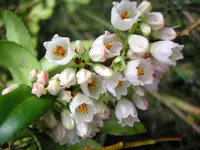
The common name fringetree comes from the extremely long, narrow petals of each flower, which hang in loose clusters and can create the visual effect of a light, white mist or cloud around the tree canopy when it blooms in late spring.
Lack of flowering often comes from too much shade, immature age, heavy pruning of branch tips, or stress from transplanting or drought. It may take several years to bloom reliably once environmental conditions stabilize.
Keep your plants happy and healthy with plant identification, disease detection, and easy care guidance.