Encourage Fruit Set
On young bushes, remove most blossoms in the first 1–2 years so the plant puts energy into root and shoot growth, which improves long-term yield and health when growing thinleaf huckleberry.

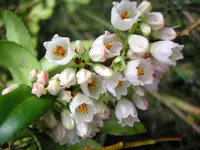
Thinleaf huckleberry, Vaccinium membranaceum, is a deciduous shrub known for its flavorful dark berries and fine, narrow leaves. It usually forms loose, upright clumps rather than dense hedges.
This species is native to higher-elevation forests of western North America, where it grows under conifers and along open woodland edges. It prefers cool summers and naturally acidic, well-drained soils.
The plant is moderately slow-growing and can be somewhat particular about soil pH and drainage, which can make it slightly challenging outside its native conditions. Understanding how to care for thinleaf huckleberry starts with matching its need for consistent moisture, good drainage, and bright, filtered light.

Care Difficulty
Moderate Care

Light Preference
Partial Shade

Water Requirements
Regular Water

Temperature Preference
Cold Hardy

Hardiness Zone
4–8

Soil Texture
Loamy, Peaty, Organic-rich

Soil pH
Strongly acidic (4.5–5.5)

Soil Drainage
Moist but well-drained

Fertilization
Minimal (feed rarely)
Scan your plant to receive care tips personalized for your specific plant
Available on iOS and Android
Vaccinium membranaceum fruits best in cool, bright mountain-style light with protection from harsh afternoon sun.
This species prefers consistently moist, cool soil but reacts poorly to both drought and waterlogging.
This shrub is naturally adapted to cool, mountain climates and tolerates significant winter cold when established.
This species prefers moderately moist air but usually adapts to typical outdoor humidity in its range.
This species needs acidic, moist, well‑drained, organic-rich soil to develop healthy roots and productive shoots.
This shrub can be grown in containers with careful attention to root space and drainage stability.
This species grows in low-nutrient soils and usually needs only modest feeding in cultivation.
Pruning Vaccinium membranaceum is mainly about maintaining plant health and light penetration into the canopy.
This shrub is usually grown in the ground, so care focuses on thoughtful transplanting rather than frequent repotting.
Propagation of Vaccinium membranaceum is practical but slow, so plan for several seasons to establish new plants.
This cold-hardy shrub tolerates significant frost and usually needs only minimal winter care in the ground.

Plant Health Check
Not sure what's wrong with your plant? Check your plant's health inside the app.
This species is the most widespread and abundant huckleberry in many high-elevation conifer forests of the Pacific Northwest and northern Rocky Mountains, often forming continuous understory carpets beneath fir and pine canopies.
Although individual shrubs can be killed by intense wildfire, the plant resprouts vigorously from rhizomes after moderate burns, and seedling establishment is often enhanced by the exposed mineral soil and increased light that follow fire.
Its high-sugar, late-summer berries are a major seasonal food for grizzly and black bears, grouse, songbirds, and many small mammals, influencing animal movements and fat accumulation before winter.

Indigenous peoples across western North America have long used this plant as a culturally important food, organizing seasonal berry-picking camps, developing specialized drying and storage methods, and incorporating the fruit into trade networks over large regions.
Yes, the berries are edible and highly regarded for fresh eating, jams, baking, and freezing. The fruit is rich in antioxidants and vitamin C. Only harvest ripe, dark berries and avoid plants exposed to roadside pollution.
Keep your plants happy and healthy with plant identification, disease detection, and easy care guidance.