Cane replacement
Mark and remove 2–3 of the oldest, woodiest canes at ground level each late winter to keep the plant productive and reduce congested, disease-prone growth.

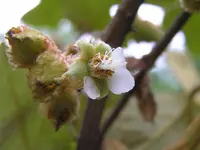
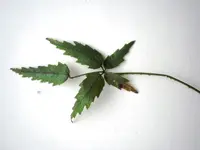
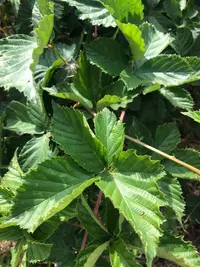
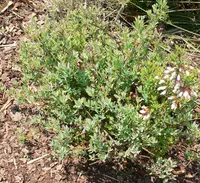
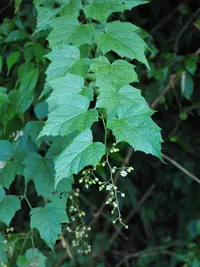
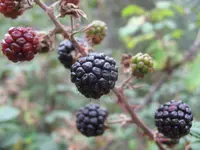
Rusty-haired raspberry (Rubus reflexus) is a deciduous shrub in the rose family, grown mainly for its edible fruits and ornamental value. It typically forms arching, bristly canes with soft, rust-colored hairs and simple, toothed leaves. Small white flowers appear in clusters, followed by red raspberry-like fruits that attract wildlife and can be harvested when fully ripe. This species is native to parts of East Asia, where it grows in forest edges, thickets, and other sunny to lightly shaded sites. It is generally considered moderately easy to grow if given well-drained soil, consistent moisture, and space to spread, and understanding how to care for Rusty-haired Raspberry helps keep it vigorous and productive.

Care Difficulty
Moderate Care

Light Preference
Partial Shade

Water Requirements
Moderate Water

Temperature Preference
Cold Hardy

Hardiness Zone
6–9

Soil Texture
Loamy, Sandy, Organic-rich

Soil pH
Acidic (5.5–6.5), Slightly acidic (6.5–7.0)

Soil Drainage
Moist but well-drained

Fertilization
Minimal (feed rarely)
Scan your plant to receive care tips personalized for your specific plant
Available on iOS and Android
This shrub prefers bright outdoor conditions with a balance of direct sun and partial shade.
This species prefers consistently moist but not saturated soil throughout the growing season.
This shrub is hardy outdoors and tolerates a broad range of cool to moderate temperatures.
This species handles a wide humidity range and usually does not need special humidity management outdoors.
Rubus reflexus grows best in moderately moist, well-aerated, organic-rich soil with steady drainage.
This species can be grown in containers if the pot provides enough root space and is kept stable.
This shrub is not demanding but responds well to light feeding, especially in poorer soils when caring for Rusty-haired Raspberry.
Pruning Rubus reflexus keeps the shrub productive, manageable, and healthier over time.
This species is usually grown in the ground, so transplanting young plants correctly is more important than frequent repotting.
Rubus reflexus is commonly propagated vegetatively to maintain desired traits and establish new plants.
This shrub is generally cold hardy in temperate climates and needs only basic winter care in the ground.

Plant Health Check
Not sure what's wrong with your plant? Check your plant's health inside the app.
This species is named for the dense, rusty-colored hairs covering its young stems and leaf undersides, which help reduce water loss and likely deter small herbivores.
Rubus reflexus naturally grows in forest understorey habitats in parts of East Asia, showing notable tolerance for partial shade compared with many other sun-loving brambles.
The leaf lobes of this species often curve or bend backward slightly, a reflexed shape that helps distinguish it from closely related Rubus species in the field.
This shrub spreads steadily by underground suckers and tip-rooting canes, forming thickets over time if not managed. Regular pruning and removing unwanted shoots keeps it contained and suitable for borders or naturalized areas.
Keep your plants happy and healthy with plant identification, disease detection, and easy care guidance.