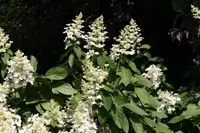
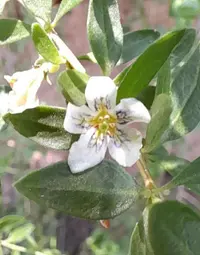
White-leaved Lawyer Care (Rubus schmidelioides)

Also known as: Bush lawyer
White-leaved Lawyer

About White-leaved Lawyer

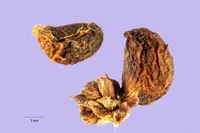
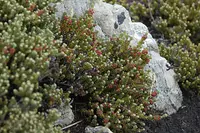
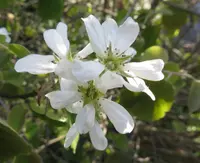
White-leaved lawyer (Rubus schmidelioides) is a scrambling shrub in the rose family, related to brambles and raspberries. It often forms thickets with arching, sometimes thorny stems. The plant is noted for its pale or whitish-tinged foliage, which gives it a distinctive look compared with many other Rubus species. It typically occurs in montane or forested habitats in parts of East Asia.

This species tends to be resilient, with a generally robust root system and strong regrowth after pruning or damage. Once established, it can be moderately easy to manage, provided it has enough light, free-draining soil, and consistent moisture. Gardeners who care for White-leaved Lawyer should be aware of its spreading habit and plan space accordingly.

Main Plant Requirements

Care Difficulty

Moderate Care

Light Preference

Partial Shade

Water Requirements

Moderate Water

Temperature Preference

Warm Climate

Hardiness Zone

9–11

Soil Texture

Loamy, Sandy, Organic-rich

Soil pH

Acidic (5.5–6.5), Slightly acidic (6.5–7.0)

Soil Drainage

Moist but well-drained

Fertilization

Minimal (feed rarely)

Get Personalized Care Plan

Scan your plant to receive care tips personalized for your specific plant

Available on iOS and Android

How to Care for the White-leaved Lawyer

This species prefers bright outdoor conditions with protection from intense midday sun.

  • Provide 4–6 hours of direct morning sun with light afternoon shade; east or northeast exposure suits White-leaved Lawyer well.
  • Tolerates partial shade, but shoots become lanky and leaf color dull if it receives less than 3–4 hours of direct or lightly filtered light.
  • In hot summers, use dappled shade or a thin canopy during 11 a.m.–3 p.m. to prevent leaf scorch and dry, crispy margins.

Watering should balance consistent soil moisture with good drainage to protect roots from rot.

  • Let the top 3–5 cm of soil dry before watering again; soil below should feel slightly moist but not wet when probed with a finger or small trowel.
  • Increase watering during active growth and fruiting when leaves lose turgor by late afternoon, and reduce frequency in cool or rainy seasons.
  • Use well-drained loam or sandy loam; yellowing lower leaves and soft stems suggest overwatering, while dull, curling leaves indicate underwatering in Rubus schmidelioides.

This bramble is generally hardy and adapts to a broad outdoor temperature range when established.

  • Strong vegetative growth occurs around 60–75°F (16–24°C), with stable soil temperatures supporting healthy roots and shoots.
  • Mature plants usually tolerate short drops near 15–20°F (-9 to -6°C), but young plants benefit from mulch around the root zone in winter.
  • Heat up to about 85–90°F (29–32°C) is tolerated if soil moisture is maintained; combine shade and mulch during heat waves to prevent stress and leaf scorch.

This species handles a wide humidity range and usually does not need special humidity management indoors.

  • Targets 40–60% humidity, similar to most heated homes, without loss of vigor.
  • Tolerates drier air, but persistent levels below 30% may cause crisp leaf edges and some leaf drop.
  • If air is very dry, group plants together or place the container on a pebble tray with water below the pot base.

Provide loose, humus-rich soil that drains rapidly yet stays lightly moist.

  • Use a mix of roughly 50% loam or all-purpose potting mix, 30–40% compost, and 10–20% coarse material such as perlite or fine bark for aeration.
  • Aim for slightly acidic to neutral pH, about 6.0–7.0, which supports nutrient uptake for Rubus schmidelioides.
  • Ensure water drains within a few seconds from the surface; if it puddles, amend with more coarse sand or fine bark to open the structure.
  • Avoid heavy clay, compacted substrates, or mixes that stay soggy, as these favor root rot and weak growth.

This bramble is suitable for container growing when the pot is chosen and managed for its spreading, scrambling habit.

  • Select a wide, relatively deep container to allow lateral root spread and to support aboveground canes without tipping.
  • Use a heavier material such as ceramic or thick plastic to stabilize the container against wind and cane weight.
  • Position the pot where canes can be tied to a support or allowed to trail without snagging walkways or other plants.

Rubus schmidelioides is a modest feeder that benefits from light, balanced nutrition in poor or depleted soils.

  • Use a balanced slow-release fertilizer or well-rotted compost in early spring, worked lightly into the top 3–5 cm of soil.
  • Feed once per growing season in average garden soil; twice in very poor or sandy soil if growth is weak.
  • Apply fertilizers at half the label strength for shrubs to avoid excessive, soft growth and reduced resilience.
  • Skip feeding in late fall and winter to allow natural dormancy and prevent tender, frost‑sensitive shoots.

Pruning helps maintain healthy, compact growth and encourages flowering and fruiting on Rubus schmidelioides.

  • Carry out main pruning in late winter to early spring before new growth begins.
  • Remove dead, diseased, or storm-damaged canes first, cutting back to healthy wood with clean bypass pruners.
  • Thin crowded or crossing stems to improve airflow and light penetration, shaping the shrub as needed.
  • Shorten overly long shoots to maintain size and structure, cutting just above an outward-facing bud.

This species is more often grown in the ground, so focus on careful transplanting and only occasional container repotting.

  • Plan transplanting for early spring or early fall, when temperatures are mild and soil moisture is reliable.
  • Transplant when growth slows, plants outgrow their space, or roots circle the pot and emerge from drainage holes.
  • Lift with a generous root ball, disturb roots as little as possible, and replant at the same depth in well-drained soil.
  • Water thoroughly after planting, shade temporarily if conditions are hot, and keep soil evenly moist until re-established.

Rubus schmidelioides is commonly propagated by layering and semi-ripe cuttings for clonal, true-to-type plants.

  • Use simple layering in spring: bend a low cane to the ground, pin it, cover a section with soil, and sever once rooted.
  • Take semi-ripe stem cuttings in late spring to mid-summer, 8–12 cm long, with 2–3 nodes each.
  • Insert cuttings into a moist, free-draining mix under high humidity and bright, indirect light to support rooting.
  • Sow fresh seed outdoors in fall or cold-stratify indoors, since many Rubus seeds require chilling to break dormancy.

This shrub is generally cold hardy in temperate climates and needs only modest winter care in gardens.

  • Apply a 5–8 cm mulch layer over the root zone in late fall, keeping it slightly away from the stems.
  • In very cold or exposed sites, tie canes loosely together to reduce wind damage and breakage.
  • For container plants, move pots to a sheltered, unheated area and prevent the root ball from freezing solid.

Care Tips

Managed Cane Training

Install horizontal wires or a simple trellis early in the plant’s life and loosely tie new canes as they elongate so the arching stems are supported, easy to harvest from, and less likely to break in wind or under fruit weight.

Mulch For Root Coolness

Apply a 5–8 cm layer of organic mulch around but not touching the crown to keep the shallow root system cool, suppress weeds that compete for moisture, and reduce soil splash that can spread fungal spores.

Targeted Sucker Control

Inspect the surrounding soil several times each growing season and promptly cut or pull unwanted suckers at soil level or slightly below to prevent the plant from spreading into paths or neighboring beds.

Sanitation After Fruiting

Remove and dispose of spent fruit clusters, fallen berries, and obviously infected leaves or stems after the main fruiting flush to lower pest attraction and reduce overwintering disease inoculum.

Wildlife Access Management

Use bird netting over a simple frame only during ripening and remove it promptly after harvest so fruit is protected while minimizing damage to wildlife and making routine checks for pests and cane health easier when caring for White-leaved Lawyer.

Common Pests and Diseases

Raspberry aphids

This pest feeds on young shoots and the underside of leaves, causing curling, distortion, and sticky honeydew that can lead to sooty mold. These insects are common on Rubus species grown in cooler, moist sites or partial shade.

Solution

Prune out heavily infested shoot tips and dispose of them, then wash remaining foliage thoroughly with a strong but controlled stream of water. If needed, apply insecticidal soap or a light horticultural oil, making sure to cover the undersides of leaves, and encourage natural predators such as lady beetles by avoiding broad-spectrum insecticides.

Spider mites

This pest thrives in hot, dry conditions and causes fine stippling, bronzing, and eventual leaf drop, often with very fine webbing on the undersides of leaves. Symptoms include a dull, dusty appearance on foliage, especially on plants grown in containers or very sheltered spots.

Solution

Increase humidity around the plant and hose down foliage, focusing on the undersides of leaves to dislodge mites. For persistent issues, use insecticidal soap or a miticide labeled for edible Rubus, applying in the early morning or evening to avoid leaf burn and repeating as directed to break the life cycle.

Cane blight

This disease causes sunken, dark lesions on young canes, leading to wilted lateral shoots and partial or complete cane death. Symptoms include cracked bark and brittle, dead sections that break easily in wind or when handled.

Solution

Remove and destroy all affected canes back to healthy wood during dry weather, disinfecting pruning tools between cuts. Improve airflow by thinning crowded stems, avoid wounding canes during wet conditions, and keep irrigation directed to the root zone rather than wetting canes and foliage.

Anthracnose

This disease produces small, purple to gray spots on young canes and leaves that can enlarge and merge, weakening stems and reducing vigor. Symptoms include rough, scabby lesions on canes and premature yellowing or drop of leaves on Rubus species in dense plantings or humid climates.

Solution

Cut out and destroy infected canes and fallen leaves, then open up the plant by thinning stems to improve airflow and drying. Apply a labeled fungicide for cane and leaf spot diseases at the start of new growth if the problem has been severe in previous seasons, and avoid overhead watering to reduce leaf wetness duration.

Botrytis fruit rot

This disease develops in cool, humid weather, causing soft, brown, water-soaked spots on fruit that quickly become covered in gray, fuzzy mold. Symptoms include rapid fruit collapse, especially in dense or shaded clusters that dry slowly after rain or overhead irrigation.

Solution

Harvest fruit promptly and remove any damaged, overripe, or moldy berries from the plant and the ground. Improve light and airflow inside the canopy by pruning, keep irrigation at the soil level, and in areas with a history of botrytis, consider a preventive fungicide labeled for berry crops during extended wet periods as part of broader Rubus schmidelioides plant care.

Interesting Facts

White-backed leaf surface

This species has leaves that are green on top but distinctly whitish on the underside due to dense, pale hairs, which help reduce water loss and reflect excess light in exposed mountain habitats.

High-elevation bramble

It is naturally found in montane and subalpine areas of parts of East Asia, where it grows in cool, moist forest edges and shrublands rather than lowland habitats.

Bird-dispersed fruits

The small aggregate fruits are eaten by birds, which then disperse the seeds in their droppings, linking this shrub closely to local forest regeneration processes and making it relevant for Rubus schmidelioides care in ecological restoration contexts.

FAQs about White-leaved Lawyer

This bramble spreads by arching canes and suckering roots, forming thickets over time. In suitable climates it can become locally aggressive, so use edging, root barriers, and regular pruning to keep it within bounds.

Grow Healthy Plants with Botan Care

Keep your plants happy and healthy with plant identification, disease detection, and easy care guidance.

Botan plant care app — identify plants on mobile

Explore More Plants