Chinese Abelia Care (Abelia chinensis)

Chinese Abelia

About Chinese Abelia

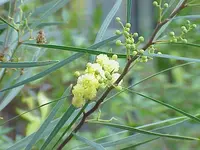
Chinese abelia (Abelia chinensis) is a compact, deciduous to semi-evergreen shrub valued for its fine texture and long flowering season. It typically forms a rounded mound with many slender branches and small, glossy green leaves.

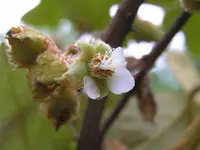
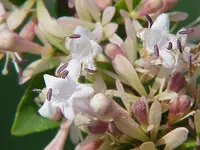
Clusters of small, tubular white to pale pink flowers appear in late summer, often with a light fragrance that attracts bees and butterflies. The plant is native to China and grows well in many mild to warm temperate gardens.

Chinese abelia is generally considered easy to grow when planted in well-drained soil with moderate moisture and sun to light shade. These traits make it a good choice for gardeners who want to learn how to care for Chinese Abelia without complex maintenance demands.

Main Plant Requirements

Care Difficulty

Easy Care

Light Preference

Full Sun

Water Requirements

Moderate Water

Temperature Preference

Warm Climate

Hardiness Zone

6–9

Soil Texture

Sandy, Loamy, Clay

Soil pH

Acidic (5.5–6.5), Slightly acidic (6.5–7.0)

Soil Drainage

Well-drained

Fertilization

Minimal (feed rarely)

Get Personalized Care Plan

Scan your plant to receive care tips personalized for your specific plant

Available on iOS and Android

How to Care for the Chinese Abelia

This shrub performs best with generous light but some protection from harsh extremes.

  • Provide 6–8 hours of direct sun daily, favoring morning sun with light afternoon shade for Chinese Abelia in hotter climates.
  • Tolerates partial shade (about 3–4 hours sun), but flowering and foliage density decrease as shade increases.
  • In very hot regions, avoid full, exposed afternoon sun to reduce leaf scorch; in winter, ensure an open site so low-angle sun still reaches the plant.

This shrub prefers evenly moist, well-drained soil rather than constantly wet conditions.

  • Water when the top 3–5 cm of soil feels dry, applying a deep soak so moisture reaches the root zone instead of frequent light sprinkling.
  • Reduce watering in cool or rainy seasons; increase during hot, dry spells, especially in the first 1–2 years while Abelia chinensis establishes.
  • Watch for yellowing, soft leaves as a sign of overwatering and crisp, drooping leaves or rapid leaf drop as signs of underwatering; improve drainage if puddling occurs.

This shrub suits mild to warm climates with moderate seasonal cold.

  • Active growth is strongest at 65–80°F (18–27°C), with stable flowering and foliage color in this range.
  • Mature plants tolerate brief drops to about 0°F (−18°C), but young plants benefit from protection when temperatures are forecast below 20°F (−7°C).
  • Handles summer heat up to about 95°F (35°C) if soil moisture is adequate; mulch roots to moderate temperature swings and avoid planting in heat-reflective spots near pavement or walls.

This shrub tolerates a wide humidity range and usually needs no special humidity control outdoors.

  • Target 30–60% humidity, which matches most outdoor and porch conditions in temperate regions.
  • Chinese Abelia handles brief dry air but may show crisp leaf tips and slowed growth if combined with high heat and drought.
  • In very dry, hot spots, group plants near other shrubs or use organic mulch over the root zone to buffer moisture loss.

Abelia chinensis prefers evenly moist, well‑drained, structured soil for stable growth and flowering.

  • Use a loamy soil with moderate organic matter, such as garden soil mixed with compost to improve nutrient retention and structure.
  • Maintain pH around 6.0–7.5; most neutral to slightly acidic garden soils are acceptable for this species.
  • For containers or heavy sites, blend compost with pine bark fines and 20–30% perlite or coarse sand to enhance drainage and aeration.
  • Avoid compacted clay, waterlogged depressions, or pure sand where roots either suffocate or dry out too quickly.

This species adapts well to container growing on patios, balconies, or small courtyards.

  • Choose a wide, heavy container to stabilize the shrub’s branching canopy against wind and accidental bumps.
  • Select a pot deep enough for a fibrous root system, leaving room for several seasons of lateral root spread.
  • Use a container material that moderates moisture swings, such as thick-walled ceramic, to reduce rapid drying in full sun exposure.

Balanced feeding supports steady growth and abundant flowering in Chinese Abelia.

  • Apply a balanced slow-release fertilizer (for example 10-10-10) once in early spring as new growth begins.
  • Supplement with a light application of compost around the root zone to improve soil structure and nutrient availability.
  • During the growing season, use a half-strength balanced liquid feed every 4–6 weeks if growth appears weak or foliage pale.
  • Avoid feeding in late fall and winter to prevent soft, frost-sensitive growth and allow the plant to rest.

Thoughtful pruning keeps Abelia chinensis compact, flowering well, and structurally sound.

  • Carry out main pruning in late winter or very early spring before new growth starts.
  • Remove dead, diseased, crossing, or inward-growing branches with clean, sharp bypass pruners.
  • Thin crowded stems by cutting some of the oldest shoots back to the base to open the center and improve light penetration.
  • Lightly shorten long or wayward stems to maintain an even, rounded outline and encourage fresh flowering shoots.

This shrub is usually grown in the ground, so focus on transplanting rather than frequent repotting.

  • Plan outdoor transplanting for early spring or early fall when temperatures are mild and soil is workable.
  • Move if growth is poor, the plant is too shaded, or roots circle a pot or emerge thickly from drainage holes.
  • Dig a wide planting hole, set Abelia chinensis at the same depth, and backfill with native soil, watering thoroughly to settle roots.
  • After transplanting, water consistently for the first growing season and apply mulch to reduce root stress and moisture swings.

Abelia chinensis is most often propagated from cuttings to maintain desirable flowering traits.

  • Take softwood cuttings in late spring to early summer or semi-ripe cuttings in mid to late summer.
  • Cut 8–10 cm non-flowering shoots, remove lower leaves, and optionally dip the base in rooting hormone.
  • Insert cuttings into a free-draining mix of perlite and peat or fine bark, keeping the medium just moist.
  • Provide bright, indirect light, high humidity, and warmth around 70–75°F until firm rooting develops, then pot on carefully.

This shrub is moderately cold hardy but benefits from some winter preparation in colder regions.

  • In USDA zones near its hardiness limit, add a 5–8 cm mulch layer over the root zone in late fall.
  • Avoid heavy pruning in fall so stems can better withstand freezing conditions.
  • For container plants, move pots into a sheltered, unheated but frost-free area or against a protected wall.

Care Tips

Root-zone mulching

Apply a 5–8 cm layer of shredded bark or composted wood chips over the root zone, keeping it 5 cm away from the stems, to stabilize soil moisture and protect fine feeder roots from heat and cold swings.

Structural thinning

Every 2–3 years, remove a few of the oldest stems at ground level in late winter to keep the shrub open inside, which improves air flow and reduces disease pressure as the plant ages.

Bloom extension

Deadhead spent flower clusters by snipping just below the faded blooms during the flowering season to encourage a longer display and reduce self-seeding around the base.

Low hedge training

For a low, dense hedge, lightly trim stem tips 2–3 times during the growing season rather than making one hard cut, which encourages many short lateral shoots and a fuller outline.

Pest scouting routine

Inspect young shoots and the undersides of leaves every 2–3 weeks in warm weather for aphids or scale, using a hand lens if available, so that any infestation is caught early when caring for Chinese Abelia.

Common Pests and Diseases

Aphids

This pest feeds on tender shoots and undersides of leaves, causing curling, distortion, and sticky honeydew that can lead to sooty mold growth.

Solution

Prune and discard heavily infested shoot tips, then wash remaining foliage with a strong stream of water to dislodge insects; for persistent colonies, use insecticidal soap or a light horticultural oil, applied in the early morning or evening to avoid leaf burn.

Whiteflies

These insects gather on the undersides of leaves, causing yellowing, leaf drop, and honeydew deposits that may support sooty mold growth.

Solution

Shake branches to detect adult clouds, then target the underside of leaves with insecticidal soap or horticultural oil; combine this with sticky yellow traps and regular monitoring to reduce populations and protect new growth when growing Chinese Abelia in sheltered or warm sites.

Spider mites

This pest thrives in hot, dry conditions, leading to stippled, dull leaves, fine webbing, and general decline in vigor.

Solution

Increase humidity around the plant and spray foliage thoroughly with water, paying attention to leaf undersides; if symptoms persist, apply horticultural oil or a miticide labeled for ornamental shrubs, repeating as directed to catch successive life stages.

Sooty mold

This disease is a dark, powdery fungal growth that develops on leaves and stems where honeydew from sap-feeding insects has accumulated, reducing light reaching the leaf surface.

Solution

Address the underlying insect problem (such as aphids, whiteflies, or scale), then gently wipe or rinse affected leaves with water; improving air circulation and light exposure around the shrub helps new, clean foliage develop.

Leaf spot

This disease causes small to medium brown or purplish spots on leaves, sometimes with yellow halos, and may lead to premature leaf drop in humid conditions.

Solution

Remove and discard affected leaves from the plant and ground, avoid overhead watering, and improve spacing and airflow; in severe, recurring cases, apply a fungicide labeled for ornamental leaf spots at the first sign of new lesions in spring or early summer.

Interesting Facts

Late-season nectar source

Abelia chinensis flowers from late summer into fall, providing nectar for bees, butterflies, and other pollinators when many other shrubs have finished blooming.

Fragrant tubular flowers

The shrub produces small, white to pinkish tubular flowers with a sweet fragrance that is especially noticeable in warm, still weather.

Reddish ornamental calyces

After the petals drop, the persistent calyces often turn reddish and remain on the stems, giving the plant a decorative, speckled appearance well beyond the main flowering period.

Botan icon

Did you know?

Abelia chinensis played a key role in ornamental breeding, as it is one of the parent species used to create Abelia × grandiflora, a widely grown hybrid shrub valued for its long flowering period and landscape versatility.

FAQs about Chinese Abelia

Lack of flowers often comes from too little light, excessive pruning at the wrong time, or nutrient imbalance from high-nitrogen fertilizer. Ensure good sun exposure, prune right after flowering, and use a balanced, slow-release fertilizer.

Grow Healthy Plants with Botan Care

Keep your plants happy and healthy with plant identification, disease detection, and easy care guidance.

Botan plant care app — identify plants on mobile

Explore More Plants