Secure Cane Support
Install sturdy horizontal wires or a trellis at 45–60 cm and 90–120 cm heights, then tie new canes loosely with soft ties so they do not kink, rub, or snap under fruit weight or wind.

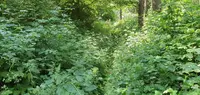
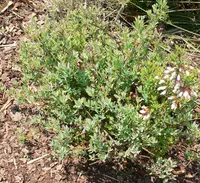
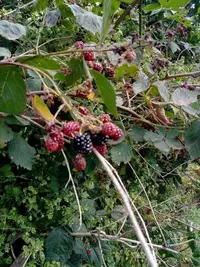
Hedgehog bramble, Rubus echinatus, is a vigorous, scrambling shrub in the rose family known for its dense, arching canes and prominent prickles. It forms a thicket-like habit that can quickly cover ground or climb over low structures when supported.
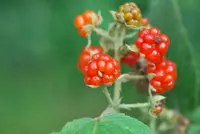
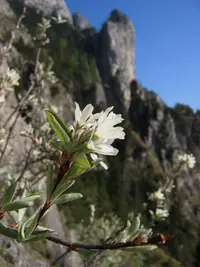
The plant bears white to pale pink flowers followed by small, bramble-type fruits, and its stems often have a striking, bristly appearance. It is native to parts of Asia but is grown in gardens elsewhere mainly as an ornamental or barrier plant.
Rubus echinatus generally prefers sun to light shade, moderately moist, well-drained soil, and space to spread. Gardeners who want to care for Hedgehog Bramble should be prepared to manage its growth and sharp thorns.

Care Difficulty
Moderate Care

Light Preference
Partial Sun

Water Requirements
Moderate Water

Temperature Preference
Cool Climate

Hardiness Zone
6–9

Soil Texture
Loamy, Sandy, Organic-rich

Soil pH
Acidic (5.5–6.5), Slightly acidic (6.5–7.0)

Soil Drainage
Moist but well-drained

Fertilization
Minimal (feed rarely)
Scan your plant to receive care tips personalized for your specific plant
Available on iOS and Android
Rubus echinatus performs best in bright conditions typical of open woodland edges or hedgerows.
Rubus echinatus prefers consistently moist, well-drained soil rather than extremes of dryness or saturation.
This bramble is cold hardy but grows best in moderate temperatures.
This species handles a wide humidity range but grows best in moderately moist air.
Rubus echinatus prefers loose, moist, well-drained ground with moderate organic matter.
This bramble can be grown in containers if the pot is large and stable enough for its vigorous, arching canes.
Rubus echinatus benefits from modest feeding when grown for vigorous canes and good fruiting.
Rubus echinatus responds well to structured pruning that manages vigor and maintains productive, safe canes.
This bramble is usually grown in the ground, so care focuses on thoughtful transplanting rather than frequent repotting.
Rubus echinatus is commonly propagated vegetatively to maintain desirable traits and strong growth.
This shrub is generally cold hardy in temperate climates and needs only modest winter attention outdoors.

Plant Health Check
Not sure what's wrong with your plant? Check your plant's health inside the app.
This species is named for its unusually dense, stiff prickles that project outward in all directions on stems and leaf stalks, giving a hedgehog-like appearance compared with many other brambles that have flatter, hooked thorns.
Rubus echinatus is naturally distributed in the Himalayan region, where it grows in forest edges, thickets, and mountain slopes, adapting to cool to mild climates with marked seasonal changes.
Its leaves are typically palmately compound, with several leaflets radiating from a single point, and both the midribs and petioles often bear sharp prickles that provide additional mechanical defense against browsing animals.
This species spreads via arching canes that root where they touch the ground and by suckering from the base. In favorable conditions it can form dense thickets, so edging, root barriers, and regular pruning help contain it.
Keep your plants happy and healthy with plant identification, disease detection, and easy care guidance.