Rubus koehleri Care

Rubus koehleri

About Rubus koehleri

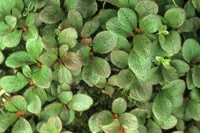
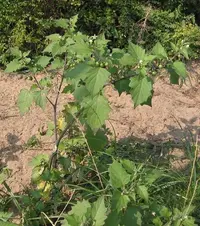
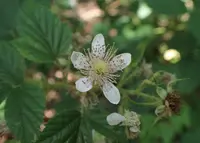
Rubus koehleri is a wild bramble species in the rose family, related to blackberries and raspberries. It usually forms arching or sprawling thickets with thorny stems. Leaves are divided into several toothed leaflets, and the plant produces small white to pale pink flowers followed by dark aggregate fruits. It is native to parts of Europe and tends to grow in woodland edges, hedgerows, and other semi-natural habitats. This species is generally hardy and tolerant of poor soils but can spread vigorously in suitable conditions. Basic knowledge of how to care for Rubus koehleri helps manage its growth and maintain healthy, productive plants.

Main Plant Requirements

Care Difficulty

Moderate Care

Light Preference

Partial Sun

Water Requirements

Moderate Water

Temperature Preference

Cool Climate

Hardiness Zone

Unknown

Soil Texture

Loamy, Sandy, Organic-rich

Soil pH

Acidic (5.5–6.5), Slightly acidic (6.5–7.0)

Soil Drainage

Moist but well-drained

Fertilization

Minimal (feed rarely)

Get Personalized Care Plan

Scan your plant to receive care tips personalized for your specific plant

Available on iOS and Android

How to Care for the Rubus koehleri

This shrub needs ample outdoor light to fruit well without scorching the foliage.

  • Provide 6–8 hours of direct sun daily, with a preference for morning sun and light afternoon shade, especially in hotter climates.
  • It tolerates partial shade (around 3–4 hours of direct sun), but Rubus koehleri may produce fewer, smaller fruits in such conditions.
  • In summer, protect from intense late-afternoon sun to reduce leaf scorch; in cooler seasons, allow more open exposure by thinning nearby shade where practical.

This bramble prefers consistently moist, well-drained soil rather than strict watering schedules.

  • Water when the top 3–5 cm of soil feels dry, aiming for deep soaking that moistens the root zone instead of frequent shallow splashes.
  • Use soil with good drainage and, on slopes or heavy clay, consider raised rows to prevent standing water, root rot, or sour-smelling, blackened roots.
  • In hot, dry periods, monitor leaves for wilting or dullness as a cue to water; in cool or rainy seasons, reduce watering and watch for yellowing, mushy canes as overwatering signs.

This hardy bramble tolerates cool climates but grows best within a moderate temperature range.

  • Active growth and flowering are strongest around 60–75°F (16–24°C), with stable soil temperatures supporting root development and fruit quality.
  • Established plants can often survive brief drops near 0°F (-18°C), but young canes benefit from winter mulch to buffer freeze–thaw cycles.
  • In summer, growth slows above about 86°F (30°C); provide mulch and, where possible, light afternoon shade to limit heat stress and protect developing fruits.

This species is mainly tolerant of outdoor ambient humidity and rarely needs special attention.

Rubus koehleri prefers moisture-retentive yet well-drained, fertile ground.

  • Use a loamy, moderately organic-rich soil that holds moisture but does not stay waterlogged.
  • Aim for slightly acidic to neutral pH around 6.0–7.0 for best nutrient availability.
  • In heavy or compact ground, mix in coarse sand or fine gravel plus compost to improve drainage and aeration.
  • Avoid dense clay or low-lying spots where water pools, as this encourages root rot and weak growth.

This species can be grown in containers outdoors with careful attention to root space and stability.

  • Choose a deep, wide container to accommodate vigorous root and cane spread, preventing the plant from becoming root-bound too quickly.
  • Use a heavier material such as clay or thick resin to stabilize tall or arching canes against wind and accidental knocks.
  • Raise the container slightly on feet or bricks so drainage holes stay clear and runoff water does not sit under the pot.

This wild Rubus species usually needs little feeding in fertile ground, but light fertilization improves fruiting in poor soils.

  • Use a balanced NPK granular or slow-release fertilizer, or a thin layer of well-rotted compost, in early spring.
  • Apply once per year in spring; a second very light application in midsummer is enough on weak soils.
  • Reduce or stop feeding from late summer onward so shoots harden before winter and avoid stimulating soft late growth.
  • Use about half the label strength for granular products and water in thoroughly to limit root burn when caring for Rubus koehleri.

Thoughtful pruning keeps Rubus koehleri productive, manageable, and healthier.

  • Carry out main pruning in late winter or very early spring while plants are dormant.
  • Remove dead, diseased, and damaged canes first, then thin crowded or crossing stems to open the clump.
  • On fruiting stands, cut out spent 2-year-old canes at ground level to favor strong new shoots.
  • Use clean, sharp bypass pruners or loppers and make cuts close to the base without leaving long stubs.

This species is usually grown in the ground, so transplanting and spread control are more relevant than container repotting.

  • Plan major transplants for early spring or early autumn when soil is moist and temperatures are mild.
  • Move plants that show weak performance, congestion, or unwanted spread, lifting as large a root ball as possible.
  • Replant into well-drained, moderately fertile soil at the same depth, firm gently, and water thoroughly to settle roots.
  • Reduce stress by pruning top growth lightly after transplanting and keeping the root zone evenly moist while new roots establish.

Rubus koehleri is commonly propagated to extend thickets or renew aging stands.

  • Use tip layering in late spring to summer, bending a low, flexible cane to soil and pegging it so the tip is buried lightly.
  • Take semi-ripe stem cuttings in early summer, place in moist, free-draining medium, and maintain high humidity until rooted.
  • Divide young clumps in early spring or autumn, ensuring each division has healthy buds and several strong roots.
  • Sow fresh seed outdoors in autumn to allow natural cold stratification, promoting better germination in spring.

This bramble is generally cold hardy and needs minimal winter care in most temperate climates.

  • Mulch the root zone in late autumn with 5–8 cm of compost or leaf mold to buffer freeze–thaw cycles.
  • In very cold or exposed sites, tie canes loosely together to reduce wind damage and mechanical breakage.
  • For container plants in colder regions, move pots to a sheltered, unheated area to prevent roots from freezing solid.

Care Tips

Use cane supports

Install sturdy posts and horizontal wires, then tie new canes loosely with soft ties so the plant forms an open fan shape that improves airflow and makes harvesting and disease monitoring easier.

Schedule cane renewal

After fruiting, cut those spent floricanes (2-year-old canes) at ground level and thin the remaining first-year canes to the strongest 6–8 per plant to maintain high yields and reduce fungal problems.

Mulch for root stability

Apply a 5–8 cm layer of weed-free organic mulch around but not touching the canes to keep soil evenly cool, suppress weeds, and protect shallow feeder roots from drying or cultivation damage.

Monitor for cane borers

Inspect canes monthly during the growing season for wilted tips or swollen nodes, then prune 5–8 cm below damaged sections and destroy the prunings to break the life cycle of cane-boring insects.

Plan winter protection

In colder regions, bend and loosely tie flexible first-year canes closer to the ground before hard frost so snow cover or row fabric can protect buds and improve survival when growing Rubus koehleri.

Common Pests and Diseases

Raspberry beetle

This pest targets flower buds and developing fruits, causing dry, misshapen berries with brownish tunnels and feeding damage inside. Symptoms include poor fruit set and small larvae sometimes visible in the fruits at harvest.

Solution

Monitor flower clusters from early bloom and remove heavily infested fruiting canes after harvest. Encourage natural predators, shake canes over a sheet to dislodge adults, and, if needed, use a targeted fruit and cane-safe insecticide timed to the flowering period according to local guidelines for how to take care of Rubus koehleri outdoors in berry gardens.

Cane blight

This disease infects wounded canes, leading to sunken dark lesions, cracked bark, and sudden wilting of lateral shoots above the infection point. Symptoms include premature cane death and reduced fruiting on affected stems.

Solution

Prune out and destroy infected canes back to healthy tissue during dry weather and avoid leaving large pruning wounds. Maintain good spacing and air circulation, avoid overhead irrigation, and disinfect pruning tools between plants to reduce spread.

Botrytis fruit rot

This disease causes soft, water-soaked spots on ripening berries that quickly develop into gray, fuzzy mold, especially in cool, wet weather. Symptoms include whole clusters of berries collapsing and becoming unmarketable.

Solution

Improve airflow by thinning canes and keeping weeds down, and avoid wetting the fruit with overhead watering. Harvest frequently, remove and discard all moldy fruit, and consider using an approved fungicide during prolonged wet periods if cultural measures are not sufficient.

Cane and leaf rust

This disease produces bright orange pustules on the undersides of leaves and on canes, which can cause premature leaf drop and weakened plants. Symptoms include reduced vigor and lower fruit yield in heavily infested stands.

Solution

Remove and destroy infected canes and fallen leaves to break the disease cycle, and avoid overhead irrigation that keeps foliage wet for long periods. Maintain good spacing, and if rust is severe and recurrent, use a labeled fungicide early in the season according to local extension recommendations.

Aphids

These insects cluster on young shoots and leaf undersides, sucking sap and causing curling, distortion, and sticky honeydew that can lead to sooty mold. This pest can also vector viruses that weaken plants and reduce yield over time.

Solution

Regularly inspect young growth and wash colonies off with a firm stream of water or insecticidal soap, making sure to reach leaf undersides. Encourage beneficial insects such as lady beetles, avoid excessive nitrogen fertilization that promotes soft growth, and remove heavily infested shoot tips if populations remain high.

Interesting Facts

Central European native

This species is native to parts of central and western Europe, where it typically occurs in woodland margins, clearings, and scrub, rather than in very open, dry habitats.

Polyploid bramble complex

Rubus koehleri belongs to a taxonomically difficult group of brambles characterized by frequent polyploidy (extra chromosome sets) and apomixis, where seeds can form without fertilization, which helps stabilize its characteristics locally.

Indicator of semi-natural habitats

In parts of its range, this species is used by botanists as an indicator of long-established, semi-natural woodland and hedgerow systems, since it tends to persist where traditional land-use patterns have been maintained.

FAQs about Rubus koehleri

This bramble spreads readily by arching canes and suckering roots, forming dense thickets over time. In small gardens, regular pruning and root barrier edges are important to prevent unwanted expansion into nearby beds or paths.

Grow Healthy Plants with Botan Care

Keep your plants happy and healthy with plant identification, disease detection, and easy care guidance.

Botan plant care app — identify plants on mobile

Explore More Plants