Trellis and Tie-In
Install a sturdy wire or trellis system and loosely tie new canes horizontally as they elongate to increase flowering and fruiting wood while keeping the plant accessible for harvest and pruning.

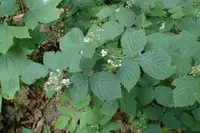
Rubus camptostachys is a scrambling, deciduous bramble in the rose family, related to raspberries and blackberries. It forms arching, thorny canes with compound leaves and small seasonal flowers that develop into aggregate fruits. Native to parts of South America, it typically grows in cool, moist mountain or foothill habitats, often along forest edges or open slopes. This species tends to be vigorous and can spread if conditions are favorable, so it suits gardeners who can manage its growth. For those learning how to care for Rubus camptostachys, it generally prefers sun to light shade, moderate moisture, and well-drained soil rich in organic matter.

Care Difficulty
Moderate Care

Light Preference
Partial Sun

Water Requirements
Moderate Water

Temperature Preference
Warm Climate

Hardiness Zone
Unknown

Soil Texture
Loamy

Soil pH
Slightly acidic (6.5–7.0)

Soil Drainage
Well-drained

Fertilization
Minimal (feed rarely)
Scan your plant to receive care tips personalized for your specific plant
Available on iOS and Android
This bramble prefers bright sites with some protection from intense midday sun.
This species performs best in consistently moist but well-drained soil.
This cane-forming shrub is adapted to cool to mild temperate climates.
This species grows well in typical outdoor humidity but benefits from moderate moisture in the air in very dry climates.
Provide free-draining, fertile soil to support vigorous growth and reliable fruiting.
This species can be grown in containers if the pot is large, stable, and drains efficiently.
This shrub fruits well in reasonably fertile soil, so Rubus camptostachys benefits from light, targeted feeding rather than heavy fertilization.
Pruning maintains productivity and airflow in Rubus camptostachys while limiting thicket formation.
This species is usually grown in the ground, so focus on careful transplanting rather than frequent repotting.
Gardeners often renew plantings of Rubus camptostachys through simple vegetative methods rather than seed.
This bramble is generally cold hardy but benefits from basic winter preparation in colder regions.

Plant Health Check
Not sure what's wrong with your plant? Check your plant's health inside the app.
This species is native to cool, wet regions of southern Chile and adjacent Patagonia, where it grows in forest margins, riverbanks, and other moist, open sites at low to mid elevations.
It forms long, arching canes armed with small hooked prickles that help the plant scramble over surrounding vegetation and stabilize itself in windy, exposed habitats.
In its native range, it typically flowers in the austral spring to early summer, followed by clusters of small, aggregate fruits that ripen from green to dark hues later in the growing season.
This bramble spreads by arching canes and self-seeding, so it can become wide-spreading if unmanaged. Regular pruning, removing unwanted suckers, and installing root barriers help keep clumps contained and prevent it from overtaking nearby planting areas.
Keep your plants happy and healthy with plant identification, disease detection, and easy care guidance.