Rubus ferus Care

Rubus ferus

About Rubus ferus

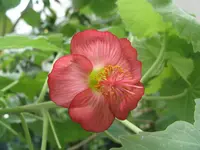
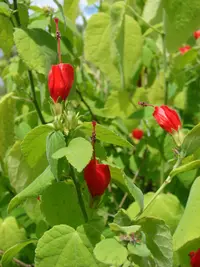
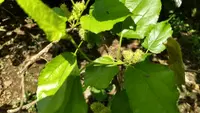
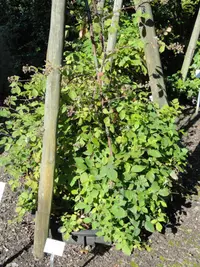
Rubus ferus is a bramble-type shrub in the rose family, related to common blackberries. It typically forms arching or scrambling canes with prickles and compound leaves. The plant often grows in hedgerows, woodland edges, and disturbed ground in temperate regions, where it can spread into dense thickets.

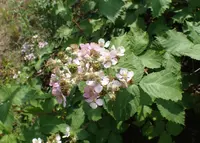
White to pale pink flowers appear seasonally, followed by small aggregate fruits that provide food for wildlife. Its vigorous growth, tolerance of poorer soils, and resilience to pruning make it relatively straightforward to manage in suitable climates. Understanding how to care for Rubus ferus mainly involves controlling its spread and giving it enough light and moisture without waterlogging.

Main Plant Requirements

Care Difficulty

Moderate Care

Light Preference

Full Sun

Water Requirements

Moderate Water

Temperature Preference

Cool Climate

Hardiness Zone

5–8

Soil Texture

Loamy, Sandy, Organic-rich

Soil pH

Acidic (5.5–6.5), Slightly acidic (6.5–7.0)

Soil Drainage

Moist but well-drained

Fertilization

Minimal (feed rarely)

Get Personalized Care Plan

Scan your plant to receive care tips personalized for your specific plant

Available on iOS and Android

How to Care for the Rubus ferus

This bramble thrives in full sun but accepts some light shade, especially in hotter regions.

  • Aim for 6–8 hours of direct sun daily, with morning sun and light afternoon shade helping prevent leaf scorch in hot summers.
  • Allow partial shade (around 3–4 hours of direct sun) in warm climates; expect slightly reduced flowering and fruiting compared to full-sun sites.
  • Avoid deep shade, which causes weak, leggy canes and poor fruit set for Rubus ferus; prune or relocate if nearby trees start blocking light.

This shrub prefers consistently moist, well-drained soil rather than extremes of drought or saturation.

  • Irrigate when the top 3–5 cm of soil feels dry, applying a slow, deep soak that moistens the root zone instead of frequent shallow splashes.
  • Reduce watering in cool, rainy seasons and increase during dry, windy, or very hot weather to prevent wilting and small, seedy fruit.
  • Watch for yellowing, soft leaves and persistent wet soil as signs of overwatering, and crisp, drooping leaves plus dry, hard soil as signs of underwatering in Rubus ferus.

This hardy shrub tolerates a wide temperature range but fruits best in moderate conditions.

  • Optimal growth occurs around 60–80°F (16–27°C), with strongest cane growth and flowering in the cooler part of this range.
  • Dormant plants often survive down to about 0–10°F (-18 to -12°C), but young canes are more vulnerable to sudden hard frosts without snow cover or mulch.
  • In summer, sustained heat above 90°F (32°C) can stress plants; mulch and soil moisture help roots stay cooler and protect Rubus ferus plant care success.

This species tolerates a wide humidity range and usually does not need special humidity management outdoors.

  • Aim for ambient outdoor humidity around 40–60% when possible, avoiding extremely arid, hot wind exposure that can desiccate young canes.
  • Dry air rarely kills plants but can cause leaf edges to brown and new shoots to wilt faster during heatwaves.
  • Increase local humidity slightly by using organic mulch over the root zone, which moderates evaporation and reduces leaf stress.

Rubus ferus prefers deep, moisture-retentive but freely draining soil that supports strong, vigorous cane growth.

  • Use a loamy structure with plenty of organic matter, such as 2 parts garden loam, 1 part compost, and 1 part well-rotted manure for nutrient supply and moisture balance.
  • Ensure drainage is fast enough that water clears from the root zone within a few hours, avoiding heavy clay that stays wet and excludes oxygen from roots.
  • Target a slightly acidic to neutral pH of about 5.8–7.0, amending alkaline soils with elemental sulfur or acid-forming composted bark if needed.
  • Improve aeration and drainage in compact ground by incorporating coarse sand or fine bark into the top 20–30 cm before planting Rubus ferus.

This bramble can be grown in containers if the pot provides adequate volume and stability for its vigorous root and cane system.

  • Choose a tall, heavy container at least 40–50 cm deep to anchor long canes and reduce the risk of tipping in wind.
  • Select a thick-walled, non-glazed clay or composite pot if summers are hot, as these materials reduce overheating and help buffer moisture loss.
  • Position the container where it can be secured to a trellis or support structure so sprawling canes do not lever the pot over as they lengthen.

This species is often vigorous in average garden soil, but moderate feeding improves yields and cane strength.

  • Apply a balanced granular or slow-release fertilizer (around 10-10-10) in early spring as new growth starts.
  • Repeat a light feeding once more in midseason if soils are poor or plants show weak growth.
  • Use compost or well-rotted manure as a 2–5 cm surface mulch, keeping it away from direct stem contact.
  • Pause feeding of Rubus ferus in late fall and winter, and avoid overconcentrated products; use at 1/2 label strength on young plants.

Thoughtful pruning keeps Rubus ferus productive, accessible, and less prone to disease.

  • Prune in late winter or very early spring, before buds break, using clean, sharp bypass pruners or loppers.
  • Remove dead, diseased, or damaged canes at ground level to reduce infection sources.
  • Thin crowded, weak, or very old canes to open the clump, improving airflow and light penetration.
  • Shorten excessively long canes to maintain a manageable shape and to encourage strong lateral fruiting shoots.

This bramble is usually grown in the ground, so transplanting is more common than container repotting.

  • Transplant young plants in late fall or early spring when soil is workable and plants are dormant.
  • Move plants if growth is stunted, canes are thin, or roots circle a container or emerge from drainage holes.
  • Lift with a wide root ball, keep roots shaded and moist, and replant at the same depth in well-drained soil.
  • Water thoroughly after transplanting, then keep soil evenly moist for several weeks to limit transplant shock.

Rubus ferus is often renewed by vegetative methods that match its natural spreading habit.

  • Use tip layering in late summer by pegging a flexible cane tip into moist soil until roots form, then sever.
  • Take semi-ripe stem cuttings in mid to late summer, rooting them in a bright, humid, well-drained medium.
  • Divide vigorously suckering clumps in early spring or fall, replanting sections with several healthy buds.
  • Seeds are possible but slow; cold stratify them and sow in a free-draining mix at cool to mild temperatures.

Most plants are hardy in temperate climates but benefit from basic winter preparation, especially in colder regions.

  • After leaf drop, add a 5–8 cm mulch layer over the root zone, keeping it slightly away from canes.
  • In very cold or exposed sites, tie canes loosely and wrap with breathable horticultural fleece or burlap.
  • Move container-grown plants to a sheltered, unheated area where roots stay just above freezing and soil does not stay waterlogged.

Care Tips

Install sturdy support

Set up a strong trellis or tensioned wire system before planting so new canes can be tied in loosely as they grow, keeping fruit off the ground and making harvest and pruning safer and more efficient.

Separate cane generations

During summer, tie current-year canes to one side of the support and keep fruiting canes on the opposite side so it is easy to remove only the spent canes after harvest without damaging new growth when caring for Rubus ferus.

Mulch for cane health

Maintain a 5–8 cm layer of clean organic mulch in the row to keep roots cool, suppress weeds that compete for nutrients, and reduce soil splash that can spread fungal spores onto canes and fruit.

Targeted pest monitoring

Hang simple yellow sticky cards at canopy height and inspect ripening fruit twice a week so early signs of cane borers, aphids, or fruit flies are caught quickly and treated before damage becomes widespread.

Manage suckers smartly

Regularly cut or spade out unwanted suckers just below soil level along paths or outside the designated row, but allow a few well-placed new shoots to establish each year to keep the planting productive and youthful.

Common Pests and Diseases

Raspberry beetle

This pest lays eggs on flower buds and young fruit; larvae tunnel into developing berries, causing dry, brown, crumbly drupelets and distorted fruit. Symptoms include small holes and pale patches where the larvae feed inside the berry.

Solution

Remove and destroy affected fruits promptly after harvest to reduce the larval population, and keep the area under plants free of dropped berries. For preventive control, use fine insect mesh around flowering canes if feasible, and encourage beneficial predators by maintaining plant diversity nearby; in higher-pressure areas, time applications of a targeted fruit/vegetable insecticide to the pink-bud to early flowering stage, following label directions carefully.

Raspberry cane borer

This pest causes wilting and dieback of cane tips; the adult beetle makes two characteristic girdling rings near the tip, and larvae tunnel downward in the pith, weakening or killing canes.

Solution

Prune out and destroy wilted cane tips 5–8 cm below the lowest girdle ring as soon as symptoms appear to remove larvae before they move deeper into the cane. Maintain strong, well-spaced canes and remove old dead canes after harvest to reduce breeding sites; in severe cases, monitor adults in late spring and use a contact insecticide only if damage exceeds threshold levels recommended by local extension services.

Orange rust

This disease is caused by a systemic rust fungus that leads to weak, spindly canes and undersized leaves; the undersides of leaves develop bright orange powdery pustules in late spring. Infected plants remain diseased for life and gradually decline.

Solution

Immediately dig out and destroy entire infected plants, including roots, since the fungus is systemic and cannot be cured once established. Avoid overhead watering, keep plantings well spaced for airflow, and use only certified disease-free plants when growing Rubus ferus in new beds; remove wild brambles nearby that can act as reservoirs.

Anthracnose

This disease produces small purple spots on young canes that enlarge and turn pale gray in the center, often creating rough, scabby lesions; leaves may show shot-hole spotting, and fruit quality can decline on heavily infected plants.

Solution

Prune out and discard infected and dead canes during dormancy, and thin remaining canes to improve airflow and faster drying after rain. Use drip irrigation instead of overhead watering, clean up fallen leaves, and apply a labeled fungicide at bud break and after bloom in sites with a history of disease, following local recommendations for caneberries.

Raspberry cane blight

This disease infects pruning wounds and damaged tissue, leading to sudden wilting of lateral shoots, dark sunken lesions on canes, and eventual dieback above the infected area. Symptoms include brown internal tissue when canes are cut open at the lesion.

Solution

Make pruning cuts during dry weather and avoid injuring canes to reduce infection points, and remove and destroy blighted canes down to healthy wood as soon as they are noticed. Maintain moderate nitrogen levels to avoid overly soft, lush growth and ensure good spacing and trellising so canes dry quickly after rain; in high-risk plantings, a protective fungicide applied shortly after pruning cuts are made can lower infection rates.

Interesting Facts

Taxonomic status uncertain

Rubus ferus is a name that appears mainly in horticultural and trade contexts, and its exact taxonomic status within the highly complex Rubus genus is unclear in mainstream botanical literature. Many names in Rubus have been applied regionally or informally, and R. ferus is not currently treated as a well-established, widely recognized species in major global plant databases.

Part of a complex genus

Rubus species often form apomictic microspecies, which means they can produce seeds without fertilization, creating many very narrowly defined taxa. Names like Rubus ferus are sometimes used for such local or horticultural forms, which contributes to confusion around identification and classification.

FAQs about Rubus ferus

This bramble spreads vigorously by arching canes and suckering roots, often forming dense thickets. Use root barriers, regular pruning, and prompt removal of unwanted shoots to keep it contained and protect nearby planting areas.

Grow Healthy Plants with Botan Care

Keep your plants happy and healthy with plant identification, disease detection, and easy care guidance.

Botan plant care app — identify plants on mobile

Explore More Plants