Install sturdy supports
Set up strong trellis wires or cattle panels before planting so new canes can be tied in loosely as they grow, keeping fruiting stems upright, better lit, and easier to harvest.

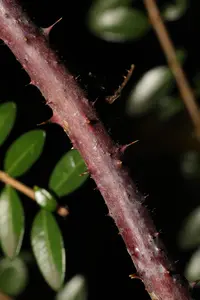
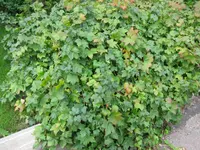
Rubus horrefactus is a bramble-type shrub in the rose family, likely forming arching or scrambling canes with spines and seasonal foliage. It typically produces small flowers followed by berry-like fruits, although ornamental and structural features may be more noticeable than yield.
This species is reported from limited natural ranges, so it is rarely seen in general cultivation and information is still developing. Most growers can care for Rubus horrefactus in conditions similar to other brambles: sun to light shade, reasonably moist but well-drained soil, and protection from extreme neglect or waterlogging.

Care Difficulty
Moderate Care

Light Preference
Partial Shade

Water Requirements
Moderate Water

Temperature Preference
Warm Climate

Hardiness Zone
Unknown

Soil Texture
Loamy

Soil pH
Slightly acidic (6.5–7.0)

Soil Drainage
Well-drained

Fertilization
Minimal (feed rarely)
Scan your plant to receive care tips personalized for your specific plant
Available on iOS and Android
This shrub prefers full sun but accepts light shade, especially in hotter regions.
This plant prefers consistently moist, well-drained soil rather than alternating extremes of wet and dry.
This bramble handles a wide temperature range but performs best in moderate conditions.
This species handles a wide humidity range but benefits from moderately moist air.
This shrub prefers deep, well-drained, organic-rich soil that stays evenly moist but not waterlogged.
This species can be grown in containers if provided with a stable, well-drained setup that supports its vigorous root system.
This shrub benefits from moderate feeding to support steady cane and fruit development.
Pruning maintains cane health, controls spread, and supports reliable cropping on this bramble.
This species is usually grown in the ground, so care focuses on thoughtful transplanting rather than frequent repotting.
Propagation is straightforward and often used to expand plantings or replace aging clumps.
This bramble is generally cold hardy in temperate climates and needs only modest winter attention.

Plant Health Check
Not sure what's wrong with your plant? Check your plant's health inside the app.
Rubus horrefactus is a little-documented bramble name, and its taxonomic status in the genus Rubus is unclear, with no widely accepted modern description in major botanical references.
This name appears mainly in scattered checklists or nomenclatural compilations, and lacks the detailed morphological, ecological, and distribution data that exist for well-studied Rubus species.
Because diagnostic characters, native range, and type material are not well documented in accessible literature, growers and botanists cannot reliably match living plants to this name or provide robust Rubus horrefactus care instructions based on primary research.
This species can spread vigorously by arching canes and underground suckers, especially in loose, fertile soil. Regular pruning and root barrier edging help limit its spread and keep it confined to the intended planting area.
Keep your plants happy and healthy with plant identification, disease detection, and easy care guidance.