common snowberry Care (Symphoricarpos albus)

Also known as: snowberry, Snowberry Bush
common snowberry

About common snowberry

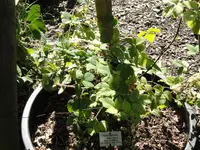
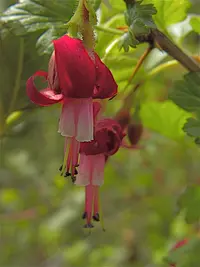
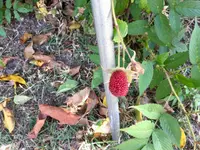
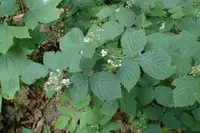
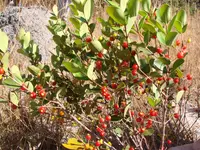
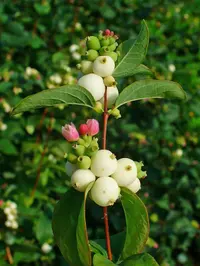
Common snowberry, Symphoricarpos albus, is a deciduous shrub known for its white, pearl-like berries that often remain on the branches into winter. It usually forms dense thickets with arching stems and small, oval leaves.

This species is native to North America and commonly found in woodlands, open slopes, and along streams. It is often used in hedges, wildlife gardens, and naturalized plantings.

Common snowberry is valued for its toughness, tolerance of cold, and ability to handle poorer soils and partial shade. These traits make it relatively simple to care for common snowberry in many garden settings, provided the soil is not waterlogged and some moisture is available.

Main Plant Requirements

Care Difficulty

Easy Care

Light Preference

Partial Sun

Water Requirements

Moderate Water

Temperature Preference

Cold Hardy

Hardiness Zone

3–7

Soil Texture

Sandy, Loamy, Clay

Soil pH

Slightly acidic (6.5–7.0), Slightly alkaline (7.0–7.5)

Soil Drainage

Well-drained

Fertilization

Minimal (feed rarely)

Get Personalized Care Plan

Scan your plant to receive care tips personalized for your specific plant

Available on iOS and Android

How to Care for the common snowberry

This deciduous shrub prefers bright outdoor sites with a balance of sun and shade.

  • Provide 4–6 hours of direct sun daily; morning sun with light afternoon shade works best in most climates.
  • Tolerates partial shade, but flowering and berry production of common snowberry decline if it receives less than 3–4 hours of sun.
  • In hot summers, protect from intense afternoon sun to prevent leaf scorch, and consider slightly brighter exposure in winter to compensate for low light angles.

This shrub prefers evenly moist but not saturated soil, especially while establishing.

  • Water when the top 3–5 cm of soil feels dry, applying a slow, deep soak to reach the root zone rather than frequent shallow splashes.
  • During the first 1–2 growing seasons, monitor closely in spring and summer; in cool, rainy periods, skip watering to avoid waterlogged conditions.
  • Signs of overwatering include yellowing leaves and soft stems, while dry, curling foliage and poor berry set suggest the need for more consistent moisture around Symphoricarpos albus.

This cold-hardy shrub tolerates a broad outdoor temperature range once established.

  • Active growth is strongest around 60–75°F (16–24°C), typical of spring and early summer in many temperate regions.
  • Fully dormant plants survive winter cold down to about -30°F (-34°C), though young shrubs benefit from mulch over the root zone.
  • In hot spells above 90°F (32°C), provide extra water, maintain mulch, and use light afternoon shade to limit heat stress and leaf scorch.

Humidity is rarely a limiting factor for Symphoricarpos albus, which adapts well to typical outdoor air conditions.

Symphoricarpos albus grows reliably in a wide range of outdoor soils if structure and drainage are managed.

  • Aim for a loose loam or sandy loam that holds some moisture but allows water to drain within a few hours after heavy rain.
  • Keep soil slightly acidic to neutral, roughly pH 6.0–7.5, since very alkaline or saline soils reduce nutrient availability and vigor.
  • Before planting, blend native soil with 20–30% compost to improve structure, organic matter, and root aeration without creating a sharply different texture layer.
  • Avoid heavy, compacted clay; if unavoidable, raise the planting area and incorporate coarse sand or fine gravel to enhance drainage and oxygen around the roots.

This species can be grown in large outdoor containers if the setup manages moisture, root space, and stability.

  • Choose a wide, heavy container at least 40–50 cm deep to accommodate spreading roots and prevent the shrub from tipping in wind.
  • Use a mineral-rich mix (roughly 60% loam-based potting soil, 20% compost, 20% coarse sand or fine gravel) to balance moisture retention with fast drainage.
  • Elevate the pot on feet or bricks so drainage holes stay clear and excess water escapes quickly after rainfall or irrigation, reducing root rot risk.

Symphoricarpos albus is a tough shrub that needs only modest feeding in most garden soils.

  • Apply a thin layer of compost or well-rotted manure around the root zone in early spring to support healthy shoot and berry production.
  • On poor soils, use a balanced slow-release fertilizer (such as 10-10-10) once in spring at label rates rather than repeated feedings.
  • For container-grown common snowberry, use a balanced liquid feed at 1/2 strength every 4–6 weeks during active growth, then stop in fall and winter.

Pruning helps keep Symphoricarpos albus dense, healthy, and flowering well.

  • Carry out main pruning in late winter or very early spring before new growth starts, when branch structure is easy to see.
  • Remove dead, diseased, crossing, or weak stems at the base with clean, sharp bypass pruners to reduce disease risk and improve airflow.
  • Thin out some of the oldest, thickest stems every 2–3 years to encourage vigorous new shoots and better berry display.
  • Lightly shorten overly long or sprawling branches after flowering if a more compact, tidy shape is desired.

Common snowberry is usually grown in the ground, but young plants or nursery stock may need careful transplanting.

  • Transplant in early spring or early fall when temperatures are mild and soil is workable, which limits stress on the root system.
  • Choose a sunny to lightly shaded site with well-drained soil and dig a hole as deep as the root ball and 2–3 times as wide.
  • Slide the plant out gently, loosening circling roots by teasing them apart, then set it at the same soil level and backfill firmly.
  • Water thoroughly after planting, keep soil evenly moist for the first growing season, and apply mulch to reduce evaporation and root stress.

Symphoricarpos albus is commonly propagated by cuttings, division of suckers, and sometimes seeds.

  • Take semi-ripe stem cuttings in mid to late summer, 8–10 cm long, and root them in a moist, free-draining mix under high humidity and bright, indirect light.
  • In early spring or fall, lift and divide natural suckers or small offshoots, ensuring each piece has viable roots and several buds.
  • Sow seeds outdoors in fall or provide a cold stratification period of several months in a refrigerator before spring sowing to break dormancy.
  • Label propagated plants and grow them on in a sheltered bed or cold frame until root systems are strong enough for permanent planting.

This shrub is cold hardy across much of the US and usually needs little special winter care.

  • Tolerates freezing temperatures once established, with woody stems and roots adapted to typical winter frosts.
  • Apply a 5–8 cm mulch layer around the root zone in late fall to moderate soil temperature and reduce freeze–thaw heaving.
  • For container-grown plants in colder regions, move pots to a sheltered, unheated space or group and insulate containers to protect roots.

Care Tips

Berry-Safe Pruning

Delay major pruning until late winter so the plant can hold its white berries for wildlife through fall and early winter, then remove 1–3 of the oldest stems at ground level to keep the shrub vigorous and dense.

Sucker Management

Check the area around the shrub 2–3 times per season and either allow outer suckers to form a wider thicket for erosion control or promptly cut unwanted shoots at soil level to keep a defined hedge line.

Renewal Cutting Cycle

Every 3–4 years, plan a staged renewal by removing up to one-third of the thickest, oldest stems each year, which maintains strong flowering wood without leaving the shrub bare in any single season.

Bank Stabilization Use

On slopes or banks, plant several shrubs in a loose grid and allow moderate spreading, then mulch between plants with a coarse organic mulch to reduce erosion while the root systems knit the soil together.

Low-Input Hedge Care

When caring for common snowberry as an informal hedge, trim lightly just after flowering to neaten the outline but avoid shearing into tight shapes, which reduces berry production and invites weak, congested growth near the tips.

Common Pests and Diseases

Powdery mildew

This disease causes a white, powdery coating on leaves, young stems, and sometimes berries, often appearing in late spring to summer. Symptoms include distorted new growth and premature leaf drop in dense, shaded plantings.

Solution

Prune to open the shrub canopy and improve airflow, avoid overhead watering, and promptly remove heavily infected shoots. For recurring problems, apply a sulfur or potassium bicarbonate fungicide labeled for ornamental shrubs, starting early in the season and repeating as directed.

Leaf spot

This disease produces small brown to purplish spots on leaves that can merge into larger blotches, especially in humid or wet weather. Symptoms include early yellowing and shedding of leaves on the lower and inner parts of the shrub.

Solution

Rake and dispose of fallen leaves, thin out crowded branches, and water at the base to keep foliage dry. In sites with a history of severe leaf spot, consider a copper- or chlorothalonil-based fungicide at bud break, following label directions carefully as part of broader Symphoricarpos albus care instructions.

Scale insects

These insects attach to stems and sometimes leaves as small, rounded or oval bumps and feed on plant sap. Symptoms include slow growth, twig dieback, and sticky honeydew that can lead to black sooty mold on nearby surfaces.

Solution

Prune out heavily infested stems and dispose of them, then scrub remaining stems gently with a soft brush and soapy water to dislodge scale. During the crawler stage, apply a horticultural oil or insecticidal soap labeled for scale on ornamental shrubs, ensuring thorough coverage of stems and branch junctions.

Aphids

These insects cluster on tender shoot tips and undersides of young leaves, sucking sap and causing curling or distorted growth. Symptoms include sticky honeydew on leaves and stems and sometimes a trail of ants tending the colonies.

Solution

Spray infested shoots with a strong stream of water to knock aphids off, and pinch back heavily infested tips. For persistent populations, use insecticidal soap or horticultural oil, applied in the early morning or evening and repeated as needed, ensuring full coverage of new growth.

Canker and dieback

This disease causes sunken, discolored areas on stems that girdle branches, leading to wilting and death of affected shoots. Symptoms include scattered dead twigs within the shrub and rough, cracked bark around cankered areas, often following stress or mechanical injury.

Solution

Cut out affected branches several inches below visible symptoms into healthy wood, disinfecting pruning tools between cuts with 70% alcohol or a 10% bleach solution. Reduce plant stress by maintaining proper watering, avoiding trunk injury, and improving site drainage and airflow to limit further infection.

Interesting Facts

White berries for winter

The fruits are fleshy white berries that often persist on the stems well into winter, providing visual interest when leaves have dropped and other shrubs are bare.

Important wildlife shelter

Dense, twiggy growth creates low cover that is used by small birds and mammals for nesting and protection, especially in thicket and hedgerow communities across its native North American range.

Tolerance of poor soils

This species naturally colonizes disturbed sites, riverbanks, and open woods, showing high tolerance for clay, rocky, or low-fertility soils, which is why it is widely used in restoration plantings.

Botan icon

Did you know?

The berries and foliage are considered mildly toxic to humans due to saponins and other secondary compounds, yet many wild birds safely consume the fruits, illustrating how different species can react very differently to the same plant chemicals.

FAQs about common snowberry

This shrub spreads by suckering roots and can form dense thickets over time. It is not usually invasive in managed gardens, but edging, root barriers, and periodic removal of unwanted shoots help keep it contained.

Grow Healthy Plants with Botan Care

Keep your plants happy and healthy with plant identification, disease detection, and easy care guidance.

Botan plant care app — identify plants on mobile

Explore More Plants