David viburnum Care (Viburnum davidii)

David viburnum

About David viburnum

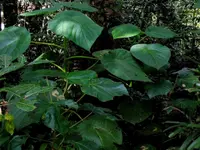
David viburnum (Viburnum davidii) is a compact evergreen shrub valued for its dense, tidy form and glossy, dark green foliage. The leaves are thick and leathery, giving the plant a structured, almost architectural look year-round.

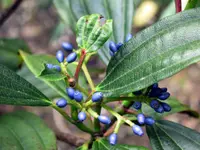
It produces small white spring flowers followed by metallic blue berries on female plants, especially when multiple plants are grown together for good pollination. Native to western China, it adapts well to many mild temperate landscapes.

This shrub is generally considered easy to grow, provided it has well-drained soil and protection from extreme heat or deep shade. Understanding how to care for David viburnum helps it maintain strong growth and a neat, low-maintenance appearance over time.

Main Plant Requirements

Care Difficulty

Easy Care

Light Preference

Partial Shade

Water Requirements

Moderate Water

Temperature Preference

Cold Hardy

Hardiness Zone

7–9

Soil Texture

Sandy, Loamy, Organic-rich

Soil pH

Acidic (5.5–6.5), Slightly acidic (6.5–7.0)

Soil Drainage

Moist but well-drained

Fertilization

Minimal (feed rarely)

Get Personalized Care Plan

Scan your plant to receive care tips personalized for your specific plant

Available on iOS and Android

How to Care for the David viburnum

This evergreen shrub prefers moderate sun exposure for dense foliage and flowering.

  • Provide 4–6 hours of direct sun daily, ideally morning sun with light afternoon shade in hotter regions.
  • Tolerates partial shade, but Viburnum davidii may flower less and grow more open if it receives under 3–4 hours of direct light.
  • In summer, protect from intense late-afternoon sun in zones with strong heat; in winter, sites with bright, open light help maintain compact growth.

This shrub prefers evenly moist, well-drained soil rather than constant wetness.

  • Water when the top 3–5 cm of soil feels dry, aiming for deep soaking rather than light surface sprinkling.
  • During the first 1–2 growing seasons, monitor closely in dry spells; drooping leaves signal thirst, while yellowing leaves and soft stems suggest overwatering.
  • Ensure soil drains freely; avoid standing water around the roots, and reduce watering frequency in cool, rainy autumn and winter conditions.

This species is hardy and manages a broad temperature range when established.

  • Optimal growth occurs around 60–75°F (16–24°C), with steady conditions during the main growing season supporting dense foliage.
  • Mature plants typically tolerate down to about 0–5°F (-18 to -15°C) with good drainage and mulch, though young shrubs benefit from protection in severe cold.
  • In summer, it handles 85–90°F (29–32°C) if soil moisture is maintained; extended heat above this can stress plants, so avoid reflected heat from walls or pavement.

Humidity is rarely critical for Viburnum davidii, which adapts well to typical outdoor air levels.

Viburnum davidii prefers moist, well-aerated soil that holds water but never becomes waterlogged.

  • Use a loamy soil structure with a mix of garden soil, compost, and coarse sand or fine grit for stability and drainage.
  • Aim for slightly acidic to neutral pH around 6.0–7.0, avoiding strongly alkaline or chalky substrates that can limit nutrient uptake.
  • Incorporate 20–30% organic matter such as compost or leaf mold to improve moisture retention and root-friendly structure.
  • Avoid heavy, compacted clay or sites where water pools, and amend with grit or bark fines to increase drainage and aeration.

This species can grow successfully in containers when given enough root space and stable moisture.

  • Choose a deep, heavy container to anchor the shrub’s spreading canopy and prevent tipping in wind or when soil is wet.
  • Select a pot material such as thick terracotta or heavy composite that slows rapid temperature swings around the root zone.
  • Raise the container slightly on pot feet or bricks to keep drainage holes clear and prevent saturated roots after rain.

This evergreen shrub responds well to modest feeding but often copes in reasonably fertile garden soil without extra input.

  • Apply a balanced slow-release fertilizer (around 10-10-10) once in early spring for growing David viburnum in average soil.
  • Use a thin layer of garden compost or well-rotted manure over the root zone to support soil structure and micro-life.
  • In containers, feed with a half-strength balanced liquid fertilizer every 4–6 weeks from spring to midsummer.
  • Stop feeding by late summer and do not fertilize in winter, as the plant is semi-dormant and nutrient demand is low.

Viburnum davidii benefits from light, timely pruning to keep a compact, healthy shape.

  • Carry out pruning just after flowering in late spring to avoid removing next season’s buds.
  • Remove dead, diseased, or damaged stems at the base with clean, sharp bypass pruners.
  • Thin congested shoots by cutting some older stems back to ground level to improve airflow and structure.
  • Shorten wayward branches slightly to maintain the natural mounded form without heavy shaping cuts.

This shrub is usually grown in the ground, so focus on careful transplanting rather than frequent repotting.

  • Transplant in early spring or early fall when temperatures are mild and soil is workable.
  • Look for signs such as roots circling the pot, poor drainage, or slow growth if Viburnum davidii is container-grown.
  • Move to a hole or container 1.5–2 times wider than the root ball, keeping the root flare level with the soil surface.
  • Water thoroughly after planting, then keep soil evenly moist and shaded at first to limit transplant shock.

Viburnum davidii is most commonly propagated from semi-ripe cuttings with some success for home gardeners.

  • Take semi-ripe cuttings in midsummer, selecting non-flowering shoots 8–10 cm long.
  • Remove lower leaves, dip the cut end in rooting hormone, and insert into a free-draining mix of compost and perlite.
  • Provide bright, indirect light, high humidity, and bottom warmth around 70–75°F to support rooting.
  • Layering low branches in spring, by pegging them into moist soil, offers an alternative low-risk method.

This species is generally cold hardy in many temperate regions but benefits from simple winter care in harsher climates.

  • Tolerates light to moderate frosts, but young plants and container specimens are more vulnerable.
  • Apply a 5–8 cm mulch of bark or compost around the root zone in late fall, keeping it off the stems.
  • In colder areas, move containers to a sheltered, unheated area such as a cold porch or against a protected wall.

Care Tips

Wind protection

Site plants where they are shielded from prevailing winter winds or add a low windbreak, since cold, drying winds damage evergreen leaves and reduce flowering the next season.

Mulch for root stability

Maintain a 5–8 cm layer of bark mulch over the root zone, keeping it a few cm away from stems, to stabilize soil moisture and temperature and reduce weed competition around the shallow roots.

Berry set support

Plant at least 2–3 genetically different plants within 2–3 m of each other to improve cross‑pollination and berry set, as single specimens often fruit poorly.

Branch renewal thinning

Every 2–3 years, remove a few of the oldest woody stems at the base in late winter to encourage new shoots from the crown and keep the shrub dense and compact.

Slug and snail monitoring

Inspect new growth and lower leaves in spring and after wet weather, hand‑remove slugs and snails or use targeted barriers, since chewing damage on young foliage can slow growing David viburnum and reduce its ornamental quality.

Common Pests and Diseases

Viburnum beetle

This pest feeds on leaves, causing skeletonized foliage with only the midribs and major veins left intact. Symptoms include brown, tattered leaves and heavy defoliation in late spring and early summer.

Solution

Inspect plants from early spring and remove egg-laden twigs with rows of pale eggs in bark cracks, then prune and destroy them. In spring, hand-pick larvae, shake branches over a sheet to collect them, and use a targeted insecticide based on acetamiprid or a horticultural soap spray, focusing on the undersides of leaves and repeating as needed according to label directions.

Leaf spot

This disease causes small brown, purple, or black spots that may merge into larger blotches, leading to premature leaf drop. Symptoms include thinning foliage, especially on older leaves in the interior of the shrub during wet weather.

Solution

Remove and dispose of heavily spotted leaves and fallen debris to reduce spore sources, and avoid overhead watering so leaves dry quickly. Improve air circulation by thinning crowded branches, and in severe or recurring cases apply a labeled fungicide containing chlorothalonil or mancozeb in early spring and repeat during prolonged wet periods.

Powdery mildew

This disease produces a white or gray powdery coating on the upper leaf surface, often leading to leaf distortion and reduced vigor. Symptoms include dull, mottled foliage and poor new growth, especially in shaded, humid sites.

Solution

Increase light and airflow by lightly thinning branches and avoid crowding plants with dense hedging. Remove severely affected leaves and, if the problem persists, apply a sulfur or potassium bicarbonate fungicide, coating both leaf surfaces and repeating according to label guidance during humid periods.

Aphids

These insects cluster on young shoots and leaf undersides, sucking sap and causing curled, sticky, and distorted new growth. Symptoms include honeydew deposits that can support black sooty mold on leaves and stems.

Solution

Wash colonies off with a strong but controlled stream of water, focusing on tender shoot tips and the undersides of leaves. For heavier infestations, use insecticidal soap or a horticultural oil spray, applied in the early morning or evening, ensuring full coverage and repeating every 7–10 days until populations are controlled.

Interesting Facts

Distinct metallic berries

This shrub produces glossy, metallic blue drupes that often appear in tight clusters and can persist into winter, adding strong visual contrast against the evergreen foliage.

Triploid berry biology

Many ornamental forms are triploid, meaning they have three sets of chromosomes, so good fruit set usually requires at least two genetically different plants to ensure effective cross‑pollination.

Evergreen mountain origin

Viburnum davidii is native to montane regions of western China, where it grows as an understory shrub in cool, moist habitats, which explains its preference for moderate temperatures and protection from harsh exposure.

Botan icon

Did you know?

The species was named in honor of the French missionary and naturalist Armand David, who collected many Chinese plants new to Western science in the 19th century, including the original material of Viburnum davidii.

FAQs about David viburnum

Yellowing leaves usually indicate waterlogging, nutrient deficiency, or root stress. Check drainage first, then consider a soil test for nitrogen and iron. Also inspect roots for rot and adjust watering to a deep but less frequent schedule.

Grow Healthy Plants with Botan Care

Keep your plants happy and healthy with plant identification, disease detection, and easy care guidance.

Botan plant care app — identify plants on mobile

Explore More Plants