Zygophyllum glutinosum Care

About Zygophyllum glutinosum

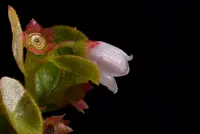
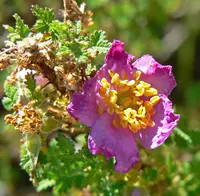
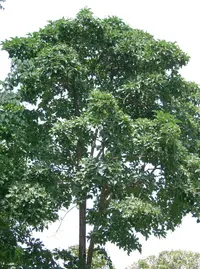
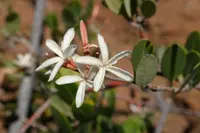
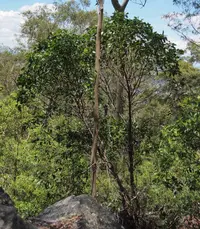
Zygophyllum glutinosum is a small, drought-adapted shrub from arid and semi-arid regions of the Middle East and North Africa. It typically forms low, rounded clumps with fleshy, paired leaves and small, yellowish flowers. The foliage often has a slightly sticky surface, which helps reduce water loss and protect the plant in harsh, dry climates. This desert origin means it prefers strong light, very well-drained, mineral-rich soil, and careful watering. Due to its tolerance of heat and poor soils, it can be relatively undemanding once established, but it dislikes excess moisture and heavy substrates. Understanding how to care for Zygophyllum glutinosum starts with respecting its need for dryness and good airflow.


Main Plant Requirements

Care Difficulty

Moderate Care

Light Preference

Full Sun

Water Requirements

Low Water

Temperature Preference

Warm Climate

Hardiness Zone

9–11

Soil Texture

Sandy, Rocky, Loamy

Soil pH

Neutral (7.0), Slightly alkaline (7.0–7.5)

Soil Drainage

Well-drained

Fertilization

Minimal (feed rarely)

Get Personalized Care Plan

Scan your plant to receive care tips personalized for your specific plant

Available on iOS and Android

How to Care for the Zygophyllum glutinosum

This desert shrub thrives in strong light and copes well with intense sun when acclimated.

  • Provide 6–10 hours of direct sun daily; full sun is ideal in open, arid sites where Zygophyllum glutinosum naturally occurs.
  • Allow light afternoon shade in very hot regions to reduce leaf scorch and moisture loss, especially on thin or newly planted specimens.
  • In winter, ensure at least 4–6 hours of unobstructed sun; prolonged shade leads to weak, elongated growth and sparse flowering.

This drought-adapted species prefers infrequent, deep watering and fast-drying soil.

  • Use very well-drained, gritty soil; avoid any site where water stands for more than 30–60 minutes after rain to prevent root rot.
  • Water only when the top 5–8 cm of soil are completely dry, then soak the root zone and let excess drain away.
  • In cool seasons reduce watering sharply; shriveling or limp stems suggest underwatering, while yellowing, mushy roots indicate overwatering.

This species is adapted to hot, dry climates and reacts poorly to prolonged cold and excess moisture.

  • Aim for 70–90°F (21–32°C) during active growth; it tolerates short hot spells up to about 100°F (38°C) if soil is well drained.
  • Protect from frost; damage often occurs below 32°F (0°C), with serious injury or death likely under 25°F (-4°C).
  • In cooler regions, plant in the warmest, most sheltered microclimate so winter lows stay closer to 40–50°F (4–10°C).

This desert shrub tolerates very dry air and rarely needs humidity adjustment indoors.

  • Target 20–40% relative humidity, similar to a dry, heated room environment.
  • Watch for humidity stress as soft, elongated, or mildew-marked growth rather than crisp leaf edges.
  • Increase humidity only in extreme dryness by grouping plants away from direct heater airflow, not by daily misting.

This species prefers mineral, sharply drained soil that mimics arid, rocky habitats.

  • Use a sandy or gritty mix with low organic matter, such as 50% coarse sand or grit, 30–40% cactus mix, and 10–20% pumice or perlite.
  • Aim for slightly alkaline to neutral pH around 7.0–8.0, which suits Zygophyllum glutinosum in its native range.
  • Improve aeration by including coarse particles (grit, pumice) rather than peat, which compacts and holds excess moisture.
  • Avoid heavy clay, water-retentive composts, and saucers that keep the root zone wet, which encourages root rot.

This plant is suitable for container growing, especially in dry, sunny outdoor locations.

  • Choose a wide, shallow pot to accommodate its spreading root system and prevent water pooling at depth.
  • Use a heavy clay or ceramic container in windy sites so the light, woody stems do not tip the pot.
  • Raise the pot on feet or spacers so drainage holes stay clear and runoff leaves the container quickly after watering.

This drought-adapted shrub needs only light feeding when grown in poor, sandy soils.

  • Use a low-strength balanced NPK fertilizer or very thin compost tea at the start of the growing season.
  • Apply at most 1–2 times during spring–early summer when caring for Zygophyllum glutinosum in containers or depleted ground.
  • Dilute liquid feeds to 25–50% of the label rate to avoid root burn.
  • Skip feeding in late fall and winter, when growth is minimal.

Zygophyllum glutinosum benefits from light structural pruning to keep the shrub compact and healthy.

  • Prune in late winter or early spring before strong new growth starts.
  • Remove dead, damaged, or crossing stems first, then thin crowded interior shoots.
  • Shorten overly long branches to maintain a rounded, balanced outline without cutting into very old wood.
  • Use clean, sharp bypass pruners and make cuts just above a healthy node.

This species is usually grown in the ground, with transplanting done sparingly to avoid stressing its deep roots.

  • Transplant in late winter or very early spring, when temperatures are mild and growth is slow.
  • Look for signs such as stunted growth or roots circling a nursery container before moving Zygophyllum glutinosum.
  • Choose a sunny site with very well-drained, sandy or gravelly soil, disturbing the root ball as little as possible.
  • Water thoroughly after planting, then allow the soil to dry between light waterings to limit transplant shock.

This shrub is most often propagated from semi-ripe cuttings or seeds under warm, dry-leaning conditions.

  • Take semi-ripe stem cuttings in late spring–summer, 8–10 cm long, from firm but still flexible shoots.
  • Remove lower leaves, dip the base in rooting hormone, and place in a very free-draining sandy mix.
  • Keep cuttings in bright, indirect light at 70–80°F with only slightly moist substrate to prevent rot.
  • Sow seeds in spring on the surface of a gritty mix, barely cover, and provide warmth for steady germination.

This dryland shrub prefers warm climates and may suffer damage in prolonged cold, especially with wet soil.

  • In mild regions, well-drained soil usually provides sufficient winter resilience for established plants.
  • In colder areas, mulch lightly with gravel or coarse bark to insulate the root zone without trapping moisture.
  • Move container plants to a bright, frost-free place and keep the mix almost dry during winter.
  • Avoid overhead watering in cold spells to reduce the risk of stem and root rot.

Care Tips

Root-zone heat

In winter, place the pot in a slightly warmer microclimate such as a sun-warmed windowsill or above a heat-retaining surface to keep the root zone a few degrees warmer than ambient air, which helps maintain growth without increasing foliage stress.

Summer rain protection

If grown outdoors, move containers under a roof overhang or use a simple clear shelter during prolonged summer rain to prevent the fine, drought-adapted roots from staying waterlogged and developing rot.

Salt-tolerant positioning

In coastal areas, position the plant where it receives good air movement but is slightly shielded from direct road or driveway splash so it benefits from its natural salt tolerance without exposure to concentrated de-icing salts.

Controlled pot sizing

Use a relatively shallow, wide container and up-pot only 2–4 cm in diameter at a time to avoid excessive wet substrate around the sparse root system, which keeps the plant compact and reduces rot risk when growing Zygophyllum glutinosum.

Periodic stem renewal

Every 2–3 years, selectively remove 1–2 of the oldest, most woody stems at the base at the end of winter to stimulate fresh, vigorous shoots and maintain a dense, healthy canopy.

Common Pests and Diseases

Scale insects

This pest attaches to stems and leaves, sucking sap and causing yellowing, stunted growth, and sticky honeydew on plant surfaces. Symptoms include small, rounded or oval bumps that do not move when touched.

Solution

Remove heavily infested stems if practical and gently scrub remaining colonies with a cotton swab or soft brush dipped in diluted alcohol or insecticidal soap. Improve air movement and avoid excess nitrogen fertilization, then repeat treatments every 7–10 days until no new scale appears as part of overall Zygophyllum glutinosum care instructions.

Leaf spot

This disease leads to small, dark, water-soaked or tan lesions on the leaf surface that may expand and coalesce under humid or overcrowded conditions. Symptoms include premature leaf yellowing and drop on stressed plants.

Solution

Prune and discard affected leaves, avoiding overhead watering so foliage dries quickly. Improve spacing and airflow, water at the soil level, and if the issue persists in outdoor plantings, apply a suitable copper- or sulfur-based fungicide according to label directions during humid periods.

Powdery mildew

This disease produces a white to gray powdery coating on leaves and young stems, more likely when days are warm and nights are cool with some humidity. Symptoms include distorted new growth and reduced vigor over time.

Solution

Increase sun exposure within the plant’s tolerance, ensure good airflow, and avoid wetting foliage in the evening. Remove the most affected shoots and, if necessary, treat with a low-impact fungicide such as potassium bicarbonate or neem oil, repeating at intervals recommended on the label until new growth appears clean.

Spider mites

These insects are tiny sap feeders that thrive in hot, dry conditions, causing fine speckling, dull foliage, and sometimes delicate webbing between leaves and stems. This pest is often most visible when leaf undersides are inspected closely with a magnifier.

Solution

Rinse the plant thoroughly with a firm stream of water, focusing on leaf undersides, then follow with insecticidal soap or horticultural oil applied in the cooler part of the day. Maintain slightly higher ambient humidity, reduce heat stress, and repeat treatments every 5–7 days until no mites or fresh webbing are visible.

Root-knot nematodes

These microscopic worms attack roots in sandy or light soils, causing swollen galls, weak root systems, and gradual decline with poor growth despite adequate light. Symptoms include wilting during heat and reduced response to fertilization or watering adjustments.

Solution

Remove and destroy severely affected plants and avoid replanting susceptible species in the same spot for several years. For mild cases, improve soil organic matter, use resistant or tolerant companion plants, and, in outdoor beds, rotate plantings and keep the area weed-free to reduce nematode populations over time.

Interesting Facts

Desert dew harvester

This species often grows in extremely arid, rocky habitats and can absorb small amounts of atmospheric moisture through its sticky foliage, helping it endure long dry periods where rainfall is rare.

Sticky protective coating

The leaves and young stems are covered with a viscous, resinous exudate that reduces water loss, traps dust, and may deter some herbivores and insects under harsh desert conditions.

Salt and drought tolerant

It shows notable tolerance to both soil salinity and drought, allowing it to colonize degraded, overgrazed, or saline steppe and desert margins where many other shrubs fail to persist.

FAQs about Zygophyllum glutinosum

Yes, this species adapts well to containers due to its compact, shrubby growth and drought tolerance. Use a wide, shallow pot with very free-draining mix, and avoid frequent repotting to prevent root disturbance and stress.

Grow Healthy Plants with Botan Care

Keep your plants happy and healthy with plant identification, disease detection, and easy care guidance.

Botan plant care app — identify plants on mobile

Explore More Plants