Gravel Mulch Band
Apply a 3–5 cm band of coarse gravel or small stones around the root zone to keep the stem base dry, reduce weed competition, and mimic the rocky scree conditions this species prefers.

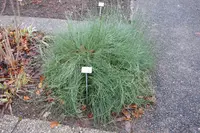
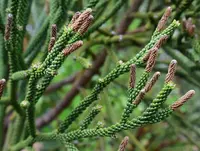
Gerard jointfir (Ephedra gerardiana) is a small, shrubby gymnosperm with many thin, jointed green stems and tiny, scale-like leaves. It forms low, compact clumps rather than broad foliage.
This species is native to dry, rocky slopes in the Himalayas and other high, cold regions of Central Asia. It is adapted to intense sun, wind, and poor, gritty soils.
Its slow growth, strong drought tolerance, and dislike of heavy, wet substrates influence how to care for Gerard jointfir. It generally prefers full sun, very well-drained soil, and sparse watering.
Many growers value it for rock gardens or specialty collections where a tough, architectural, and unusual plant is desired.

Care Difficulty
Moderate Care

Light Preference
Full Sun

Water Requirements
Low Water

Temperature Preference
Cold Hardy

Hardiness Zone
5–8

Soil Texture
Sandy, Loamy, Rocky

Soil pH
Slightly acidic (6.5–7.0), Slightly alkaline (7.0–7.5)

Soil Drainage
Well-drained

Fertilization
Minimal (feed rarely)
Scan your plant to receive care tips personalized for your specific plant
Available on iOS and Android
This high-altitude shrub prefers strong sun but adapts to some shade in lower sites.
This desert-adapted species needs infrequent, deep watering and very fast-draining soil.
This species is strongly cold-hardy yet also tolerates significant summer heat when dry.
This species is adapted to dry, alpine climates and usually does not need special humidity management indoors or outdoors.
This shrub prefers mineral, fast-draining soil that mimics rocky alpine slopes.
This species can be grown in containers if the pot and substrate are managed to stay dry and stable.
This drought-adapted shrub needs only light feeding in containers or very poor soils when caring for Gerard jointfir.
Pruning Ephedra gerardiana is minimal and mainly for health and structure.
This species is usually grown in the ground and prefers infrequent disturbance once established.
Propagation of Ephedra gerardiana is most reliable from seed, with cuttings as a secondary option.
This shrub is quite cold hardy and typically needs only modest winter care in temperate climates.

Plant Health Check
Not sure what's wrong with your plant? Check your plant's health inside the app.
This shrub naturally occurs on rocky slopes at high elevations in the western Himalayas and Tibetan Plateau, tolerating intense sun, cold, and very poor, gravelly soils where few other woody plants can persist.
It belongs to the genus Ephedra, one of the few surviving representatives of an ancient group of gymnosperms, so its jointed green stems and tiny scale-like leaves reflect adaptations that appeared long before modern flowering plants evolved.
Although it is a gymnosperm with separate male and female plants (dioecious), pollen can be transferred both by wind and by small insects attracted to the pollen-rich male cones in its native habitats.

In parts of its native Himalayan range, this species is one of the very few woody plants that can form low, dense cushions on exposed scree and rock, where its root system helps stabilize shifting debris and creates small microhabitats that other alpine plants and soil organisms can colonize.
This species performs best outdoors in full sun, rocky or sandy soil, and strong air movement. Indoors it typically becomes weak and leggy. Gerard jointfir indoor care is only reasonable short term, for overwintering in bright, cool conditions.
Keep your plants happy and healthy with plant identification, disease detection, and easy care guidance.