Ephedra rupestris Care

Ephedra rupestris

About Ephedra rupestris

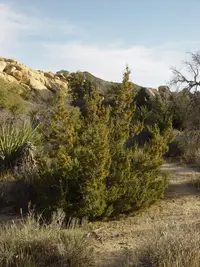
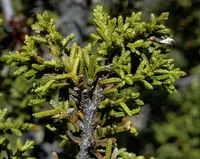
Ephedra rupestris is a small, woody, evergreen shrub from dry, rocky regions, valued for its fine, rush-like stems and very small, scale-like leaves. It forms low, dense clumps that give a tidy, architectural look, especially in rock gardens or drought-tolerant plantings.

This species is adapted to poor, stony soils and strong sun, so it typically prefers well-drained ground and low to moderate moisture. Its slow growth and natural tolerance of drought make it relatively low-maintenance once established, though understanding how to care for Ephedra rupestris helps keep it compact and healthy in cultivation.

Main Plant Requirements

Care Difficulty

Moderate Care

Light Preference

Full Sun

Water Requirements

Low Water

Temperature Preference

Cool Climate

Hardiness Zone

5–8

Soil Texture

Sandy, Rocky, Loamy

Soil pH

Slightly alkaline (7.0–7.5), Alkaline (7.5–8.5)

Soil Drainage

Well-drained

Fertilization

Minimal (feed rarely)

Get Personalized Care Plan

Scan your plant to receive care tips personalized for your specific plant

Available on iOS and Android

How to Care for the Ephedra rupestris

This desert shrub thrives in strong light but benefits from some protection from extreme afternoon sun in hot climates.

  • Provide 6–8 hours of direct sun daily, ideally with morning sun and light afternoon shade in very hot, low-humidity areas.
  • On exposed rocky sites it tolerates full sun all day, but watch for leaf or stem scorching where reflected heat from walls or stone is intense.
  • In cooler or cloudier regions, choose the brightest, most open position; plants grown in too much shade become thin, elongated, and less compact.

This species prefers dry, fast-draining conditions and is highly sensitive to excess moisture around the roots.

  • Allow the soil to dry completely between waterings; in the ground, only water after prolonged drought when stems start to look slightly shriveled.
  • Use very free-draining, gritty soil so water runs through quickly; avoid sites where water pools or soil stays wet for more than 24 hours.
  • Reduce or stop supplemental watering in cool seasons, as cold, wet soil encourages root rot; yellowing, soft stems suggest overwatering, while brittle, twiggy dieback indicates long-term drought stress.

This plant is adapted to wide temperature swings but performs best in climates with cool winters and hot, dry summers.

  • Optimal growing temperatures are about 65–85°F (18–29°C) during the active season, provided the air is dry and the soil drains very freely.
  • Mature plants can tolerate brief drops to around 10–15°F (-12 to -9°C) if soil is dry, but young specimens are safer above 20°F (-7°C).
  • It handles summer heat up to 95–100°F (35–38°C) in full sun when rooted deeply, though extended heat with high humidity increases stress and disease risk.

This desert shrub tolerates very dry air and usually does not need humidity adjustment indoors or outdoors.

This species prefers very free-draining, sandy mineral soil that mimics rocky desert slopes.

  • Use a mix of roughly 60–70% coarse sand or grit with 30–40% mineral topsoil and a small amount of fine gravel.
  • Aim for slightly alkaline to neutral pH around 7.0–8.0, avoiding strongly acidic substrates.
  • Keep organic matter low; too much peat or compost holds excess moisture and encourages root rot.
  • Improve drainage and aeration further by raising the planting area or using a gritty cactus mix amended with extra sand.

This shrub can be grown in containers if the pot is prepared to mimic very sharp-draining, rocky conditions.

  • Choose a deep, heavy pot that stabilizes the woody, spreading stems in strong wind.
  • Fill the pot with a very gritty, low-organic mix so water runs through in seconds rather than minutes.
  • Elevate the container on feet or bricks so drainage holes never sit in pooled water.

This desert shrub needs only light feeding, as Ephedra rupestris is adapted to poor, rocky soils.

  • Use a low-dose, balanced NPK fertilizer or very dilute liquid cactus fertilizer for container plants only.
  • Feed once in mid-spring and again in midsummer during active growth, avoiding heavy applications.
  • Dilute liquid products to 25–50% strength to prevent salt buildup in the coarse, well-drained substrate.
  • Stop feeding in late summer so stems harden before winter and avoid all fertilizer during dormancy.

Pruning is minimal and mainly helps maintain shape and remove damaged growth on Ephedra rupestris.

  • Carry out any pruning in late winter or very early spring before new growth begins.
  • Remove dead, diseased, or crossing stems first, then thin only the most congested areas.
  • Use clean, sharp bypass pruners to make small, angled cuts close to the branch junctions.
  • Avoid heavy cutting back; light thinning preserves the plant’s natural, open, twiggy habit and vigor.

This species prefers stable conditions, so repot or transplant Ephedra rupestris only when clearly necessary.

  • Check for roots circling the pot base, pushing through drainage holes, or for slowed growth as cues to move it.
  • Plan any transplanting or repotting for early spring, before strong new growth begins.
  • Repot container plants every 3–4 years at most, shifting to a slightly larger pot with very gritty, fast-draining mix.
  • Minimize root disturbance, keep the root ball intact, water lightly after moving, and shade from intense sun for 3–5 days.

Propagation of this species is possible but slow, relying mainly on seeds and semi-ripe stem cuttings.

  • Collect ripe seeds in late summer, clean them, and sow in a very gritty, well-drained mix.
  • Provide bright light, good airflow, and cool to mild temperatures around 60–70°F for germination.
  • Take semi-ripe cuttings in late spring or early summer and treat the base with rooting hormone.
  • Insert cuttings into a sandy, free-draining substrate and keep just slightly moist until roots form.

This shrub is fairly cold hardy and usually needs little winter care in well-drained ground.

  • Ensure soil drainage is excellent, as cold combined with waterlogging is more harmful than frost itself.
  • Apply a light gravel or coarse sand mulch around the root zone to keep the crown dry, not to warm it.
  • For container plants in very cold regions, move pots to an unheated, bright shelter to reduce freeze–thaw stress.

Care Tips

Gravel Collar

Create a 5–8 cm wide collar of coarse gravel or grit around the stem base to keep the crown dry, reduce rot risk, and prevent soil from splashing onto the lower joints during rain or overhead watering.

Slope And Drainage

Plant on a slight mound or at the top of a rockery slope so excess water naturally drains away from the root zone, which is particularly important in regions with wet winters.

Minimal Mulch Use

If mulching nearby perennials, keep organic mulch at least 10–15 cm away from the stem base and use only a very thin layer of mineral mulch (grit or small gravel) directly around the plant to avoid excess moisture and fungal issues.

Structural Wind Support

In exposed sites, insert 1–2 discreet rock or stone supports on the windward side to break strong prevailing winds and help the stiff, jointed stems stay upright without tying or staking.

Cold-Wet Protection

In climates with cold, wet winters, place a simple, raised rain cover (such as a transparent plastic dome or sheet held 10–20 cm above the plant) from late fall to early spring to keep the root zone dry while still allowing full light, which is a key aspect of caring for Ephedra rupestris.

Common Pests and Diseases

Scale insects

This pest attaches to stems and joints, sucking sap and causing yellowing, weak growth, and sticky honeydew on the plant surface.

Solution

Physically remove scales with a soft brush or cotton swab dipped in alcohol, then treat stems thoroughly with a light horticultural oil or insecticidal soap, repeating every 7–10 days until no new scales appear. Improve air circulation around the plant and avoid overfertilizing, as very soft, lush growth is more vulnerable.

Aphids

These insects cluster on young shoots and cone-bearing tips, extracting sap and leading to distorted new growth and sticky honeydew that can attract sooty mold.

Solution

Rinse affected shoots with a firm stream of water, then apply insecticidal soap or a neem-based spray, coating all sides of stems and new growth. Monitoring tips regularly and removing heavily infested shoot ends helps keep populations low, especially in nursery or garden settings focused on Ephedra rupestris care instructions.

Spider mites

This pest thrives in hot, very dry conditions, causing fine stippling on green stems, loss of vigor, and sometimes fine webbing between joints.

Solution

Spray the plant thoroughly with water to dislodge mites and slightly increase ambient humidity without waterlogging the soil, then use insecticidal soap or a miticide labeled for spider mites, repeating at 5–7 day intervals. Keeping the plant dust-free and reducing prolonged heat buildup around it lowers the chance of reinfestation.

Rust

This disease appears as small, orange-brown pustules or patches on stems and sometimes scale-like leaves, leading to localized dieback if severe.

Solution

Prune and dispose of affected segments, cutting back into healthy tissue and sterilizing tools between cuts. Improve airflow, avoid overhead watering, and, in recurrent cases, apply a sulfur or copper-based fungicide according to label directions to protect new growth.

Interesting Facts

High-altitude specialist

This species grows naturally in rocky, high-elevation habitats of Central Asia, where it tolerates intense sun, strong winds, and large day–night temperature swings by maintaining a compact, woody, broom-like form.

Reduced scale leaves

Its true leaves are tiny, scale-like structures that quickly become non-photosynthetic, leaving the green jointed stems as the main photosynthetic organs, an adaptation that reduces water loss in arid conditions.

Wind-pollinated cones

Instead of typical flowers, it produces small cone-like reproductive structures that rely on wind for pollination, a characteristic feature of many species in the genus Ephedra.

Botan icon

Did you know?

Pollen from this species, like other Ephedra species, has been used by botanists and paleobotanists as a marker in sediment cores to reconstruct past dry, open habitats in parts of Central Asia, helping to track long-term climate and vegetation changes.

FAQs about Ephedra rupestris

This species is evergreen, keeping its jointed green stems year-round instead of shedding foliage. Growth may slow in cold seasons, but the plant typically maintains structure and color, providing continuous visual interest in dry or rocky plantings.

Grow Healthy Plants with Botan Care

Keep your plants happy and healthy with plant identification, disease detection, and easy care guidance.

Botan plant care app — identify plants on mobile

Explore More Plants