coco plum Care (Chrysobalanus icaco)

Also known as: Coco Plant, icaco coco plum, icaco
coco plum

About coco plum

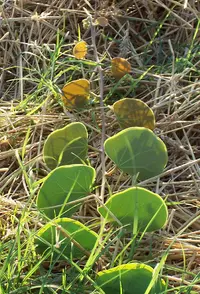
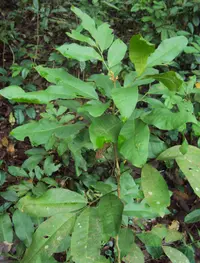
Coco plum, Chrysobalanus icaco, is a dense, evergreen shrub or small tree commonly used for coastal hedges and natural screens. It has thick, rounded leaves and produces small white flowers followed by edible, plum-like fruits. Native to tropical and subtropical coasts of the Americas and the Caribbean, it is naturally adapted to sandy soils, salt spray, and wind. Its toughness, drought tolerance once established, and low maintenance needs make it relatively easy to grow in suitable climates. Those learning how to care for coco plum should know it prefers sun to light shade, well-drained soil, and moderate watering while it establishes.

Main Plant Requirements

Care Difficulty

Easy Care

Light Preference

Full Sun

Water Requirements

Moderate Water

Temperature Preference

Tropical / Frost Sensitive

Hardiness Zone

9–11

Soil Texture

Sandy, Loamy, Organic-rich

Soil pH

Acidic (5.5–6.5), Slightly acidic (6.5–7.0)

Soil Drainage

Moist but well-drained

Fertilization

Minimal (feed rarely)

Get Personalized Care Plan

Scan your plant to receive care tips personalized for your specific plant

Available on iOS and Android

How to Care for the coco plum

This coastal shrub needs strong light to stay dense and fruit well.

  • Provide full sun for 6–8 hours per day; light afternoon shade is helpful in very hot inland sites.
  • Plant coco plum where it receives morning sun and, if possible, filtered light after 3–4 p.m. in warm climates.
  • In partial shade (3–5 hours sun), expect looser growth and fewer fruits; too little light causes leggy stems, pale foliage, and reduced flowering.

This species prefers evenly moist, sandy soil but tolerates short dry periods once established.

  • Allow the top 3–5 cm of soil to dry before deep watering, aiming for slow penetration rather than light surface sprinkling.
  • During the first 1–2 growing seasons, water more often in hot, dry weather; reduce frequency in cool or rainy periods to avoid waterlogging.
  • Watch for yellowing leaves and soft stems as signs of overwatering, and crisp leaf edges or early leaf drop as signs of underwatering in Chrysobalanus icaco.

This coastal shrub thrives in warm, frost-free climates and does poorly in prolonged cold.

  • Optimal growth occurs around 70–90°F (21–32°C), typical of subtropical and warm temperate coastal areas.
  • It tolerates brief dips to about 30–32°F (-1–0°C), but repeated freezes damage foliage and young stems.
  • In heat above 95°F (35°C), provide mulch and sufficient soil moisture; avoid planting in frost pockets or low spots where cold air settles.

This coastal shrub handles a wide humidity range and rarely needs special humidity management.

  • Ideal humidity is around 40–70%, matching most outdoor and typical household conditions.
  • Tolerates dry air well; leaves usually remain firm unless drought-stressed at the roots.
  • Humidity stress appears as leaf edge browning combined with dry soil; improve root watering rather than misting.

This shrub prefers loose, sandy, sharply draining soil that mimics coastal conditions.

  • Use a mix of roughly 60% coarse sand, 30% loam or compost, and 10% perlite to keep the root zone airy.
  • Aim for slightly acidic to neutral pH, around 6.0–7.5, which supports nutrient availability for Chrysobalanus icaco.
  • Ensure rapid drainage; raised beds or mounded planting help where native soil is dense or seasonally wet.
  • Avoid heavy clay, waterlogged spots, or compacted ground, which encourage root rot and reduce oxygen around roots.

This species can be grown in containers, especially in cooler climates or small spaces.

  • Choose a deep, wide, heavy pot to balance the shrub’s spreading canopy and prevent tipping in wind.
  • Select a container material like thick terracotta or concrete if extra stability and slightly faster drying are desired.
  • Maintain a drainage layer only by using unobstructed holes and a very free-draining mix, not rocks at the bottom, to prevent perched water.

Chrysobalanus icaco grows well in lean soils but benefits from light feeding in containers or poor ground.

  • Use a balanced slow-release fertilizer (around 10-10-10) or well-rotted compost in spring.
  • Apply once at the start of the growing season; a second light dose in midsummer is enough for coco plum.
  • Reduce or stop feeding in fall and winter when growth slows.
  • For liquid products, use at 1/2 strength on moist soil to avoid root burn.

Pruning Chrysobalanus icaco is mainly used to control size, maintain density, and remove weak growth.

  • Best time is late winter to early spring before strong new growth starts.
  • Remove dead, diseased, rubbing, or crossing branches with clean bypass pruners or loppers.
  • Shorten overly long shoots to shape hedges or maintain a compact shrub form.
  • Avoid cutting into very old wood; leave some leafy growth on each branch to support regrowth.

Coco plum is usually grown in the ground, so focus on careful transplanting rather than frequent repotting.

  • Transplant in late winter or early spring when temperatures are mild and growth is starting.
  • Choose a sunny, well-drained site; loosen the planting hole wider than the root ball but not deeper.
  • Move plants when roots circle the container or growth slows, keeping the root ball intact to limit stress.
  • Water thoroughly after planting, then keep soil evenly moist for several weeks and use a light mulch to conserve moisture.

Chrysobalanus icaco is commonly propagated from semi-hardwood cuttings and seeds in warm conditions.

  • Take semi-hardwood cuttings in late spring to summer, 10–15 cm long, with several leaf nodes.
  • Remove lower leaves, dip the base in rooting hormone, and place in a free-draining, slightly moist medium.
  • Maintain bottom warmth around 70–80°F, high humidity, and bright indirect light until roots form.
  • Sow fresh seeds in warm, sandy soil, keeping evenly moist; germination can be slow and uneven.

Chrysobalanus icaco is a warm-climate shrub with limited frost tolerance, so winter care matters in cooler areas.

  • In USDA zones 9–11, plants usually overwinter outdoors with minimal intervention.
  • In cooler zones, grow in containers and move indoors or into a frost-free greenhouse before temperatures drop near 32°F.
  • Apply a 5–8 cm mulch layer over the root zone in marginal climates to buffer brief chills and soil temperature swings.
  • Avoid heavy pruning or high-nitrogen feeding late in the season, which can encourage tender growth susceptible to cold damage.

Care Tips

Wind-form training

In coastal or exposed sites, selectively prune and lightly tip young shoots on the windward side so the shrub develops a low, dense, wind-firm canopy that resists storm damage and salt burn.

Salt-splash management

After strong onshore winds or road de-icing events, hose foliage and stems with fresh water in the early morning to remove salt deposits and reduce leaf scorch and marginal browning.

Fruit load control

On heavily fruiting plants grown mainly as a hedge or screen, thin clusters of young fruits by about one-third to reduce limb stress and encourage stronger vegetative growth and tighter branching.

Mulch collar setup

Maintain a 5–8 cm deep ring of coarse organic mulch kept a few cm away from the stems to stabilize soil moisture, reduce weed competition, and protect shallow feeder roots from mechanical damage.

Hedge renewal cycles

For mature, woody hedges, rejuvenate sections on a 2–3 year cycle by cutting a portion of the oldest stems back hard in late winter, allowing staged regrowth without losing the hedge function while growing coco plum as a long-term barrier.

Common Pests and Diseases

Sri Lanka weevil

This pest chews notches along leaf edges and can skeletonize foliage on young or hedge‑trimmed plants. Symptoms include irregular leaf damage and occasional defoliation on exposed shrubs.

Solution

Shake branches over a tarp in the morning and destroy captured adults, then use a bifenthrin or pyrethroid foliar spray labeled for ornamental shrubs if defoliation is heavy. Maintain plant vigor with proper watering and pruning to help foliage recover and monitor new growth regularly as part of basic Chrysobalanus icaco care instructions.

Scales

These insects attach to stems and leaf undersides, sucking sap and causing yellowing, thinning foliage, and sticky honeydew that may lead to sooty mold. Infestations often appear as small bumps that do not move when touched.

Solution

Prune and discard heavily infested twigs, then wash remaining foliage with a strong stream of water and a mild insecticidal soap or horticultural oil, ensuring good coverage of stems and leaf undersides. Repeat applications every 7–14 days as needed and reduce plant stress with consistent irrigation and balanced fertilization.

Sooty mold

This disease appears as a black, soot-like coating on leaves and stems that grows on the sugary honeydew excreted by sap-feeding insects such as scales and mealybugs. Symptoms include dull, blackened foliage and sometimes reduced photosynthesis and vigor, though leaf tissue is not directly infected.

Solution

Control the underlying honeydew-producing insects first using targeted management such as washing foliage and applying insecticidal soap or horticultural oil. Rinse affected leaves with water or gently wipe them with a damp cloth to remove the black growth and improve light exposure.

Leaf spot

This disease causes small to medium brown or tan lesions on leaves, sometimes with darker margins, which may coalesce and lead to premature leaf drop in humid coastal conditions. Symptoms include scattered spotting on older leaves first, becoming more extensive during prolonged wet weather.

Solution

Remove and discard fallen and heavily spotted leaves to reduce inoculum, then improve air movement by thinning dense branches and avoiding overhead irrigation where possible. In landscapes with recurring problems, use a copper-based or chlorothalonil fungicide labeled for ornamental shrubs at the first sign of spotting, following label intervals during wet periods.

Spider mites

These insects are tiny sap feeders that thrive in hot, dry conditions, causing fine stippling, a dusty appearance, and occasional webbing on the undersides of leaves. Symptoms include dull, bronzed foliage and reduced vigor, particularly on plants grown in very exposed, reflective sites near pavement or walls.

Solution

Spray foliage thoroughly with water to knock mites off and increase humidity around the shrub, repeating several times per week during outbreaks. If populations remain high, apply insecticidal soap or horticultural oil to leaf undersides in the early morning or late afternoon and avoid drought stress, which favors mite buildup.

Interesting Facts

Specialized coastal roots

This species forms a dense, fibrous root system that tolerates both shifting sand and periodic saltwater flooding, which helps stabilize dunes and protect shorelines from erosion.

High salt tolerance

It can grow close to the high-tide line because its leaves and roots tolerate saline spray and soils that would damage many other woody plants, making it a key shrub of tropical and subtropical coastal zones.

Food for wildlife

The fleshy, pale fruits are eaten by many birds and small mammals, which disperse the seeds along beaches and coastal forests, supporting natural regeneration and growing coco plum populations.

Botan icon

Did you know?

In several Caribbean and coastal American regions, the dense, finely textured wood of Chrysobalanus icaco has been used for small tool handles and craft work, as it is hard, heavy, and polishes to a smooth finish despite the plant usually growing as a shrub rather than a large tree.

FAQs about coco plum

The fruits are edible and often mildly sweet, with a flavor used in jams, jellies, and sauces. The outer pulp is eaten fresh or cooked, but the hard seed inside is not typically consumed.

Grow Healthy Plants with Botan Care

Keep your plants happy and healthy with plant identification, disease detection, and easy care guidance.

Botan plant care app — identify plants on mobile

Explore More Plants