pale purple coneflower Care (Echinacea pallida)

pale purple coneflower

About pale purple coneflower

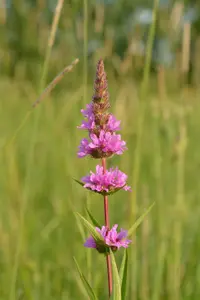
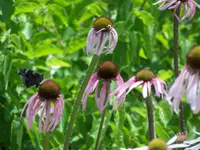
Pale purple coneflower, Echinacea pallida, is a hardy perennial wildflower from central and eastern North America, commonly found in prairies and open woodlands. It forms upright clumps with narrow, drooping pale purple petals surrounding a raised, bristly cone.

Plants develop deep roots and a tough crown, which helps them tolerate heat, drought, and poor, rocky soils once established. This makes it a reliable choice for low-maintenance gardens and naturalized plantings.

It prefers full sun, moderately dry to medium moisture, and well-drained soil. Simple habits like observing light and soil drainage are usually enough to understand how to care for pale purple coneflower over time.

Main Plant Requirements

Care Difficulty

Easy Care

Light Preference

Full Sun

Water Requirements

Low Water

Temperature Preference

Cold Hardy

Hardiness Zone

3–9

Soil Texture

Sandy, Loamy, Rocky

Soil pH

Acidic (5.5–6.5), Slightly acidic (6.5–7.0)

Soil Drainage

Well-drained

Fertilization

Minimal (feed rarely)

Get Personalized Care Plan

Scan your plant to receive care tips personalized for your specific plant

Available on iOS and Android

How to Care for the pale purple coneflower

This prairie perennial grows best in strong, direct light for most of the day.

  • Provide 6–8 hours of direct sun daily; morning to early afternoon sun promotes sturdy stems and abundant blooms.
  • Tolerates light afternoon shade, especially in hotter regions, but too much shade causes leggy growth and fewer flowers in pale purple coneflower.
  • In cooler months, full sun is still preferred; avoid locations shaded by buildings or trees as the sun angle drops in fall and winter.

This deep-rooted perennial prefers infrequent, thorough watering once established.

  • Allow the top 5–7 cm of soil to dry before watering; in well-drained garden soil this often means waiting until the surface feels dry and the plant no longer looks freshly turgid.
  • During the first growing season, water slowly until the root zone is moist, then let the soil dry between waterings to encourage a deep root system in Echinacea pallida.
  • Watch for drooping, dull foliage as a sign of drought stress, and for yellowing lower leaves or soft, blackened crown tissue as signs of overwatering or poor drainage.

This species is hardy and manages a wide temperature range typical of temperate climates.

  • Optimal active growth occurs around 65–85°F (18–29°C), with strong flowering in warm, sunny summers.
  • Established plants tolerate winter lows near -30°F (-34°C) in the ground, but young plants benefit from mulch over the root zone in their first 1–2 winters.
  • In hot spells above 90–95°F (32–35°C), flowering may slow; consistent soil moisture and some afternoon shade reduce heat stress and leaf scorch.

Humidity is not a significant factor for Echinacea pallida, which is well adapted to dry conditions.

Echinacea pallida grows best in lean, well-drained soil that does not stay wet after rain or watering.

  • Use a sandy or sandy-loam mix with about 60–70% mineral material and 30–40% compost for moderate fertility.
  • Ensure rapid drainage by adding coarse sand or fine gravel if native soil is heavy or tends to compact.
  • Target a slightly acidic to neutral pH of 6.0–7.0, avoiding strongly acidic or alkaline conditions.
  • Avoid waterlogged, clay-heavy, or peat-heavy mixes that hold moisture around the crown and roots for long periods.

This species can be grown in containers, but it performs best in deep, stable pots that mimic in-ground conditions.

  • Choose a tall container at least 30–35 cm deep to accommodate the taproot and reduce tipping in wind.
  • Use a gritty, fast-draining mix and raise the pot on feet or bricks so water can exit freely from the base holes.
  • Select a heavy clay or thick-walled pot in exposed sites to keep the container from shifting as the plant elongates.

This prairie perennial needs only light feeding, as pale purple coneflower is adapted to lean soils.

  • Apply a thin layer of compost or well-rotted manure around plants once in early spring.
  • In poor soils, use a balanced slow-release fertilizer (around 10-10-10) at half label rate in spring.
  • Avoid summer overfeeding; excess nitrogen reduces drought tolerance and may cause floppy growth.
  • Do not fertilize in fall or winter, when growth is naturally slow or dormant.

Pruning Echinacea pallida is simple and mainly supports tidy growth and continued flowering.

  • Deadhead spent blooms in summer by cutting stems just above a strong leaf pair to encourage more flowers.
  • In late fall, either leave seed heads for wildlife or cut back brown stems to 5–10 cm above soil.
  • Remove any dead, diseased, or storm-damaged stems as soon as noticed, using clean, sharp pruners.
  • Thin out crowded stems at the base to improve air flow and reduce fungal issues.

This deep-rooted native is usually grown in the ground, so focus on careful transplanting rather than frequent repotting.

  • Transplant in early spring or early fall, when temperatures are mild and soil is moist but not waterlogged.
  • Move plants only every few years; signs include poor growth, overcrowding, or the need to redesign beds.
  • Dig a wide, deep hole to capture as much of the taproot as possible, disturbing roots as little as you can.
  • Water thoroughly after transplanting, then keep soil evenly moist for 2–3 weeks to limit transplant shock.

Echinacea pallida is commonly propagated by seeds and, less often, by careful division.

  • Collect ripe seeds in late summer or fall and sow in fall outdoors or after 6–8 weeks of cold stratification in a fridge.
  • Use a well-drained seed mix, keep slightly moist, and provide bright light for steady germination.
  • Divide established clumps in early spring, lifting with a spade and splitting into sections with healthy buds and roots.
  • Replant divisions at the same depth, water well, and shade lightly for a few days to reduce stress.

This species is cold hardy in most temperate climates and needs minimal winter care.

  • Tolerates typical winter frosts once established, especially in well-drained soil.
  • After hard frost, stems can be left standing for winter interest and wildlife or cut back to near ground level.
  • Apply a 5–7 cm mulch layer around the crown in late fall in colder regions, keeping mulch off the stems.
  • Container plants in very cold zones benefit from moving to a sheltered, unheated but frost-sheltered spot.

Care Tips

Deep root encouragement

During the first growing season, water less frequently but deeply to encourage a robust taproot, which improves drought resilience and long-term vigor.

Self-seeding management

If you want controlled clumps rather than a spreading patch, deadhead most spent blooms but leave a few seed heads on the healthiest plants to drop seed where you want them.

Winter crown protection

In cold climates, leave dry stems and seed heads standing over winter to insulate the crown, then cut them back in late winter before new growth starts.

Targeted staking method

In windy or exposed sites, place a low, circular support ring around young plants in spring so developing stems grow through it and stay upright without obvious staking later.

Beneficial wildlife support

To support pollinators and birds while caring for pale purple coneflower, stagger deadheading so some flowers set seed for finches and other wildlife without exhausting young plants.

Common Pests and Diseases

Aster yellows

This disease is caused by a phytoplasma that disrupts normal growth and flowering. Symptoms include distorted, greenish flowers, stunted shoots, and sometimes broomlike growth at the stem tips.

Solution

Remove and dispose of symptomatic plants as soon as they are noticed, as there is no cure once infected. Control leafhopper vectors with fine insect netting or targeted sprays labeled for leafhoppers, and reduce nearby weedy hosts that can harbor the pathogen.

Japanese beetles

These insects feed heavily on foliage and flower petals, often skeletonizing leaves and chewing ragged holes in ray petals. This damage can be extensive during peak beetle flight in midsummer.

Solution

Hand-pick beetles in early morning into soapy water and use row covers or mesh barriers when infestations are high. Avoid placing beetle traps near the planting area, and consider using neem-based products or other labeled insecticides only if physical removal is not sufficient.

Leafhoppers

These pests are small, fast-moving insects that suck plant sap from leaves and stems. This pest can cause pale stippling, leaf curling, and can transmit aster yellows phytoplasma.

Solution

Reduce grassy and weedy vegetation near plantings and use reflective mulches or fine mesh row covers to deter insects. If populations are high, apply insecticidal soap or a pyrethrin-based product labeled for ornamental use, making sure to cover the undersides of leaves.

Powdery mildew

This disease produces white to gray, dusty patches on leaves and stems, often in late summer during warm days and cool, humid nights. Symptoms include reduced vigor and premature leaf yellowing or browning.

Solution

Improve air circulation by spacing plants properly and thinning crowded clumps, and avoid overhead watering late in the day. Remove and discard heavily infected leaves, and apply a sulfur or potassium bicarbonate fungicide labeled for ornamentals at the first sign of infection if needed.

Cercospora leaf spot

This disease causes small, dark, circular to irregular spots on leaves that may expand and merge, leading to yellowing and early leaf drop. Symptoms include cosmetic damage that can weaken plants if severe and repeated yearly.

Solution

Remove and discard spotted leaves during the season and clean up all fallen foliage in autumn to reduce overwintering spores. Water at the base of the plant, keep foliage dry when possible, and use a copper- or chlorothalonil-based fungicide labeled for leaf spots if cultural measures do not keep it in check.

Interesting Facts

Distinct drooping petals

This species has very narrow, pale pink to whitish ligulate petals that droop strongly downward, giving the flower head a noticeably more reflexed and delicate look than the broader, more horizontal rays of other Echinacea species.

Deep taproot adaptation

Echinacea pallida develops a substantial taproot that extends deeply into prairie soils, an adaptation that helps the plant tolerate summer drought and access water reserves below the upper, drier layers of soil.

Specialist prairie habitat

This species is naturally associated with dry, open prairies and glades from the Midwest into the Ozark region, where it often grows on thin, rocky or calcareous soils that many other forbs struggle to tolerate.

Botan icon

Did you know?

Echinacea pallida has been used as a taxonomic reference point in genetic and morphological studies of the genus Echinacea, helping botanists distinguish closely related species and clarify evolutionary relationships within this North American wildflower group.

FAQs about pale purple coneflower

This species is highly attractive to native bees, honeybees, butterflies, and some moths. Its nectar and pollen are accessible on the central cone, while the seed heads later feed birds, especially finches, extending wildlife value beyond flowering.

Grow Healthy Plants with Botan Care

Keep your plants happy and healthy with plant identification, disease detection, and easy care guidance.

Botan plant care app — identify plants on mobile

Explore More Plants