yellow-flowered garlic Care (Allium flavum)

Also known as: Small Yellow Onion
yellow-flowered garlic

About yellow-flowered garlic

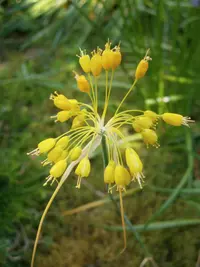
Yellow-flowered garlic, Allium flavum, is a small bulb-forming perennial in the onion family grown mainly for its airy, nodding yellow flower clusters. It forms clumps of narrow, grass-like leaves and produces slender stems topped with loose, bell-shaped blooms in early to midsummer.

This species is native to dry, rocky habitats in parts of Europe and western Asia, so it adapts well to sunny beds, rock gardens, and gravel plantings. Its drought tolerance, modest size, and resistance to many pests make it relatively easy to grow, provided the soil drains well.

Gardeners who learn how to care for yellow-flowered garlic usually find it long-lived and dependable in suitable climates.

Main Plant Requirements

Care Difficulty

Easy Care

Light Preference

Full Sun

Water Requirements

Low Water

Temperature Preference

Cold Hardy

Hardiness Zone

4–9

Soil Texture

Sandy, Loamy, Rocky

Soil pH

Slightly acidic (6.5–7.0), Slightly alkaline (7.0–7.5)

Soil Drainage

Well-drained

Fertilization

Minimal (feed rarely)

Get Personalized Care Plan

Scan your plant to receive care tips personalized for your specific plant

Available on iOS and Android

How to Care for the yellow-flowered garlic

Allium flavum grows best in open, bright sites with plenty of direct sun.

  • Provide 6–8 hours of direct sun daily; full sun promotes compact growth and abundant yellow flowers, especially in dry, open beds.
  • The plant tolerates light partial shade, such as 3–4 hours of morning sun plus bright afternoon shade, but flowering may be reduced.
  • In hot summers, avoid intense reflected heat from walls; bulbs can overheat and scorch, while too little sun produces weak, floppy stems in yellow-flowered garlic.

Allium flavum prefers dry to moderately dry soil and is sensitive to excess moisture around the bulbs.

  • Allow the top 3–5 cm of soil to dry fully before watering; in most climates this means infrequent deep watering rather than light, frequent splashes.
  • During active growth and flowering, water only when foliage begins to look slightly limp; in summer dormancy keep bulbs almost dry, especially in heavy soils.
  • Ensure very sharp drainage using gritty or sandy soil; yellowing, soft bulbs or a sour smell indicate overwatering, while shriveled bulbs signal prolonged drought.

This hardy bulb tolerates a wide range of outdoor temperatures when soil drainage is very good.

  • Optimal growth occurs in cool to mild conditions around 55–75°F (13–24°C), with strong flowering following a cool winter and warming spring.
  • Dormant bulbs survive winter cold down to about 0°F (−18°C) in well-drained soil; prolonged freeze-thaw cycles in wet ground increase rot risk.
  • Established plants handle dry summer heat up to 90–95°F (32–35°C) if soil stays dry; young growth may scorch in sudden heat waves combined with intense sun.

This species prefers relatively dry air and does not have special humidity requirements for healthy growth, making yellow-flowered garlic easy to keep in most homes.

Allium flavum needs lean, very free-draining soil to prevent bulb rot and support long-lived clumps.

  • Use sandy or gritty loam with low to moderate organic matter, mimicking a rocky slope rather than a rich garden bed.
  • Aim for slightly alkaline to neutral pH, roughly 6.8–7.8, which suits this Mediterranean-type bulb.
  • Blend coarse sand or fine gravel with standard potting soil at about 1:1 to boost drainage and root aeration.
  • Avoid compacted clay, waterlogged sites, or thick peat-based mixes that stay wet and collapse around the bulbs.

This species is well suited to container growing when drainage is carefully controlled.

  • Choose a pot at least 20–25 cm deep so the bulbs sit with 2–3 bulb-heights of mix above them and still have room for roots to spread.
  • Use a heavier terracotta or stone container outdoors to prevent wind from tipping over the tall flowering stems.
  • Raise the container on pot feet or bricks so drainage holes never sit in a saucer or on impermeable surfaces that trap water.

Allium flavum grows well in modest soils and needs only light, targeted feeding to flower reliably.

  • Use a balanced, slow-release granular fertilizer (for example 10-10-10) or a thin layer of compost in early spring as new growth appears.
  • Apply once per growing season for in-ground clumps; container plants may benefit from a second light feeding in midsummer.
  • For liquid feeds, use at 1/2 strength on moist soil to avoid root burn and mineral salt buildup.
  • Stop feeding once foliage starts to yellow and die back, as the bulbs are entering dormancy.

Pruning Allium flavum is minimal and mainly supports tidy appearance and seed control.

  • In late summer, cut back spent flower stalks at the base to keep the plant neat and limit self-seeding if desired.
  • Remove only dead, yellowed, or damaged leaves with clean, sharp scissors or hand pruners to reduce disease risk.
  • Leave healthy foliage in place until it naturally withers so bulbs can recharge through photosynthesis.
  • In naturalistic plantings, allow some seed heads to remain if additional self-sown plants are welcome.

This bulb is usually grown in beds or rock gardens, with transplanting done sparingly to avoid disturbing clumps.

  • Plan to lift and divide crowded clumps every 3–5 years, when flowering declines or bulbs push against each other.
  • Transplant in late summer to early fall, after foliage has died back and bulbs are dormant.
  • Dig carefully around the clump, keeping roots and attached soil as intact as possible to reduce stress.
  • Replant bulbs at the same depth in a well-drained, sunny site, then water once to settle soil and allow them to re-establish.

Allium flavum is commonly propagated by division and by seed where naturalizing is desired.

  • Divide mature clumps in late summer or early fall, separating offsets and replanting them at original depth in well-drained soil.
  • Sow fresh seeds in pots or trays outdoors in fall, allowing natural winter cold to break dormancy and promote germination.
  • Keep seed pots evenly moist but not waterlogged, in bright light and a protected outdoor spot.
  • Label divisions and seed containers clearly, as young plants may take 2–3 years to reach flowering size.

Allium flavum is cold hardy in much of the US and generally needs little specific winter care in the ground.

  • In climates colder than its usual range, apply a 3–5 cm layer of dry mulch over the bulb area after the ground cools.
  • Ensure soil drainage is good, since prolonged winter wet around bulbs causes rot more often than low temperatures.
  • For containers, move pots to a sheltered, unheated area such as a cold frame or against a house wall to reduce freeze–thaw stress.

Care Tips

Label Dormant Spots

Mark clump locations with discreet labels or stones when foliage dies back, so you avoid disturbing the small bulbs during summer or fall bed work.

Use Gritty Mulch

Top-dress around the plants with 0.5–1 cm gravel or coarse grit to keep the necks of the bulbs dry, reduce soil splash on foliage, and visually highlight the flower umbels.

Controlled Self-Seeding

If you want a naturalized drift, let some seedheads dry on the plant, then gently shake them over nearby bare soil, but remove the rest to prevent overcrowding and competition for nutrients.

Companion Plant Shield

Combine with low, shallow-rooted perennials that leave open pockets of soil so the bulbs receive full light while neighboring foliage shades the root zone and reduces surface overheating.

Efficient Pot Cycling

For containers, move pots to a dry, sheltered spot once foliage has fully yellowed to let the bulbs rest, then bring them back into a prominent position just before shoots reappear to simplify caring for yellow-flowered garlic across seasons.

Common Pests and Diseases

Onion thrips

This pest feeds by scraping and sucking sap from leaves and flower stalks, causing silvery streaks, small white patches, and gradual yellowing. Symptoms include reduced vigor and distorted or dried flower heads in hot, dry weather.

Solution

Monitor plants closely in late spring and summer, and remove heavily infested flower stalks. Use a strong water spray to dislodge thrips, encourage natural predators, and, if needed, apply a targeted insecticidal soap or horticultural oil, making sure to cover leaf bases and flower stems thoroughly.

Narcissus bulb fly

This pest lays eggs at the base of allium foliage, and the larvae tunnel into bulbs, causing sudden collapse of leaves and failure to flower. Symptoms include soft, rotting bulbs with a single large maggot inside.

Solution

Inspect bulbs before planting and discard any that feel soft, hollow, or show entry holes. Lift and destroy affected bulbs, use fine mesh or fleece over emerging foliage in spring to prevent egg-laying, and plant bulbs slightly deeper and in well-drained soil to reduce attack risk.

Leek rust

This disease causes orange to rust-brown powdery pustules on leaves, leading to yellowing and premature dieback. Symptoms include weakened plants and reduced flowering when infections are severe.

Solution

Remove and discard infected leaves promptly and avoid overhead watering to keep foliage dry. Improve spacing for better airflow, rotate away from other alliums for several years, and favor resistant or tolerant allium species nearby to reduce spore levels.

Downy mildew

This disease produces pale, yellowish patches on leaves that later show grey-violet fuzzy growth, especially in cool, damp weather. Symptoms include leaf distortion, tip dieback, and weaker flowering.

Solution

Improve air circulation, water at soil level, and avoid crowded plantings to keep foliage dry. Remove and destroy affected leaves, clear plant debris after flowering, and avoid replanting susceptible alliums in the same poorly ventilated, damp spots.

Bulb nematodes

These microscopic worms infest bulbs and basal plates, causing swollen, misshapen bulbs, stunted shoots, and distorted or yellowing foliage. Symptoms include bulbs that separate into loose scales and fail to establish after planting.

Solution

Discard any suspicious or deformed bulbs and never reuse soil from heavily infested areas for growing yellow-flowered garlic. Use only healthy, certified bulbs, improve drainage, and rest infested beds under non-host plants for several years to reduce nematode populations.

Interesting Facts

Summer-blooming umbels

This species produces loose, nodding clusters of yellow, bell-shaped flowers in mid to late summer, unlike many ornamental alliums that bloom in spring. The drooping florets give the inflorescence a distinctive, airy look in dry meadows and rock habitats.

Dry-steppe specialist

Allium flavum is naturally distributed across dry, rocky slopes and steppe regions of central and southern Europe into western Asia, where it is adapted to thin, well-drained soils and summer drought. Its narrow, grass-like leaves and bulb-forming habit help it survive in nutrient-poor, seasonally harsh environments.

Insect-pollinated nectar source

The yellow flowers are rich in nectar and are visited by a wide range of pollinating insects, including bees, hoverflies, and small wasps. In its native range, it plays a role as a mid-summer food resource when other nectar sources in dry habitats may be scarce.

Botan icon

Did you know?

The bulbs and foliage of Allium flavum contain the characteristic sulfur-containing compounds typical of the onion genus, which give the plant a mild garlic-like scent and taste and help deter many herbivores from feeding on it.

FAQs about yellow-flowered garlic

Lack of blooms usually comes from insufficient sun, overcrowded bulbs, or nutrient imbalance from high-nitrogen fertilizer. Allow foliage to mature naturally after flowering each year, and divide congested clumps every few years to restore flowering.

Grow Healthy Plants with Botan Care

Keep your plants happy and healthy with plant identification, disease detection, and easy care guidance.

Botan plant care app — identify plants on mobile

Explore More Plants