redskin onion Care (Allium haematochiton)

Also known as: red-skinned onion
redskin onion

About redskin onion

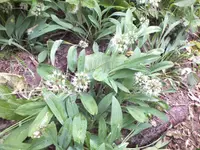
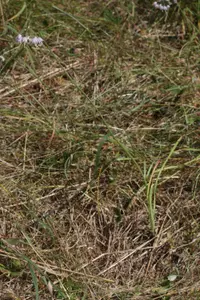
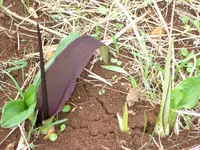
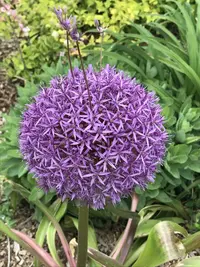
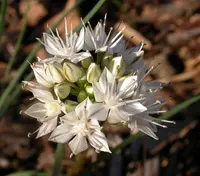
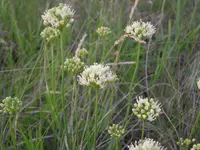
Redskin onion, Allium haematochiton, is a small bulb-forming perennial native to dry, rocky slopes of western North America, especially California. It typically grows in clumps, with slender grass-like leaves emerging from reddish bulbs and short stems topped by clusters of starry pink to white flowers.

This species is adapted to seasonal drought and tends to rest in summer, making it suitable for rock gardens and low-water plantings. Its compact size and slow spread usually make it manageable in containers or small spaces.

In cultivation, it prefers bright light, well-drained gritty soil, and careful watering that avoids prolonged wet conditions around the bulbs. Understanding its winter-growing, summer-dormant rhythm is key to how to care for redskin onion successfully.

Main Plant Requirements

Care Difficulty

Easy Care

Light Preference

Full Sun

Water Requirements

Low Water

Temperature Preference

Warm Climate

Hardiness Zone

8–10

Soil Texture

Sandy, Loamy, Rocky

Soil pH

Slightly acidic (6.5–7.0), Neutral (7.0)

Soil Drainage

Well-drained

Fertilization

Minimal (feed rarely)

Get Personalized Care Plan

Scan your plant to receive care tips personalized for your specific plant

Available on iOS and Android

How to Care for the redskin onion

This species prefers bright, open conditions similar to its native dry slopes.

  • Provide 6–8 hours of direct sun daily; morning and midday sun are ideal, with light afternoon shade in very hot regions.
  • It tolerates light partial shade (3–4 hours sun), but flowering of redskin onion becomes sparser and stems may stretch in lower light.
  • In summer heat waves, protect from intense late-afternoon sun with dappled shade to reduce leaf scorch and moisture loss.

Watering should mimic a dry-summer, winter-rainfall climate pattern.

  • During active growth, water only when the top 3–5 cm of soil are completely dry; soil should drain freely within minutes after watering.
  • In summer dormancy, reduce watering sharply or stop entirely outdoors, giving just enough moisture to prevent bulbs from shriveling.
  • Watch for yellowing, limp leaves and a sour soil smell as signs of overwatering, while thin, papery leaves and shrinking bulbs indicate underwatering for Allium haematochiton.

This bulb is adapted to mild, dry climates with cool winters and warm summers.

  • Optimal growth occurs around 60–75°F (16–24°C) in the cool season while foliage is actively growing and flowering.
  • Established bulbs tolerate brief drops to about 20°F (-6°C), but repeated hard freezes below 25°F (-4°C) can damage shoots and young plants.
  • In hot, dry summers up to 90–95°F (32–35°C), bulbs remain dormant underground; protect potted plants from enclosed, heat-trapping spots.

This species tolerates typical indoor humidity and does not need special adjustments.

This bulb prefers mineral, fast-draining soil that dries quickly between waterings.

  • Use a sandy or gritty loam with 30–50% coarse sand, fine gravel, or pumice to prevent water retention around the bulbs.
  • Aim for slightly alkaline conditions, around pH 7.0–7.8, avoiding strongly acidic mixes that can weaken roots and bulbs.
  • In containers, combine cactus mix with extra pumice or coarse sand to improve aeration and mimic rocky native habitats.
  • Avoid heavy clay, peat-heavy mixes, or compacted substrates, which trap moisture and greatly increase bulb rot risk for Allium haematochiton.

This species is suitable for container growing, especially in dry or cold regions.

  • Choose a wide, shallow pot that allows the bulbs to sit near the surface while still giving space for lateral root spread.
  • Use a heavy terracotta or ceramic container in windy sites to keep the plant stable as foliage and scapes extend outward.
  • Raise the pot on feet or bricks so drainage holes stay clear and excess water can escape quickly after rainfall or irrigation.

This drought-adapted bulb needs only light feeding to maintain healthy growth.

  • Use a balanced, low-dose granular or slow-release fertilizer (around 5-5-5 to 10-10-10) in early spring as new shoots emerge.
  • Apply a thin layer of compost around clumps of redskin onion in spring to improve soil structure rather than to push lush growth.
  • Feed once per growing season; avoid additional applications that can cause weak, floppy foliage or rot in dryland bulbs.
  • Do not fertilize during summer dormancy or winter; excess nutrients during rest periods increase disease risk.

Pruning needs for Allium haematochiton are minimal and focus on cleanup rather than shaping.

  • Cut back faded flower stalks at the base after seed set if self-sowing is not desired.
  • Remove only dead, yellowed, or damaged leaves using clean, sharp scissors or hand pruners to limit disease spread.
  • Allow healthy foliage to die back naturally; it feeds the bulb and supports flowering next season.
  • Avoid heavy trimming of green leaves, which can reduce energy storage and weaken plants over time.

This bulb is usually grown in the ground and only occasionally moved or divided.

  • Plan transplanting or division for late summer to early fall, when foliage has fully died back and bulbs are dormant.
  • Lift clumps gently with a trowel or fork, keeping soil around bulbs to limit root stress and desiccation.
  • Transplant into fast-draining, gritty soil at the same depth, spacing bulbs 8–15 cm apart for natural clumping.
  • Container plants need moving only when roots circle the pot or growth declines; shift to a slightly larger pot with fresh, sharply draining mix.

Propagation is commonly done by bulb division, with seed used mainly for larger or long-term plantings.

  • Divide dormant bulbs in late summer or early fall, separating offsets by hand and replanting them immediately at original depth.
  • Choose a sunny, well-drained site or gritty potting mix to prevent bulb rot during establishment.
  • For seed, sow fresh in fall outdoors or in a cold frame; cool, moist conditions help break dormancy.
  • Keep soil just lightly moist until new roots and shoots appear, then reduce watering to match typical dryland conditions.

This species is quite cold hardy in much of its range and usually needs little winter attention.

  • In-ground bulbs tolerate light to moderate frost when soil drains well and does not stay waterlogged.
  • Apply a thin, gritty mulch over the planting area in late fall to moderate soil temperature and reduce heaving.
  • In very cold or wet climates, grow in containers and move pots to a cold, bright, sheltered spot to keep bulbs dry.

Care Tips

Bulb lifting cycle

Allow the foliage to yellow and dry completely, then lift and store bulbs in a dry, airy tray for 6–8 weeks to reset their rest period before replanting in late summer or early fall.

Rocky mulch layer

Top-dress the planting area with a 2–3 cm layer of coarse gravel or small rocks to keep the bulb necks dry, reduce crown rot risk, and mimic the plant’s natural, stony habitat.

Slope and aspect

Plant on a slight slope or in a raised berm with a south- or west-facing aspect so winter and spring moisture drains quickly away from the bulbs.

Companion spacing

Combine with other low, summer-dormant bulbs or drought-tolerant perennials, leaving 5–8 cm of open gravel between clumps to maintain airflow and reduce foliar disease.

Mark dormant sites

Place discreet stones or durable labels where bulbs are planted so the spots are not disturbed or overplanted while the plant is completely dormant, which supports consistent success when growing redskin onion.

Common Pests and Diseases

onion thrips

This pest feeds on the leaves and scapes, causing silvery streaks, fine speckling, and gradual leaf weakening that can reduce bulb vigor.

Solution

Monitor foliage regularly in dry, warm weather, then wash leaves with a firm stream of water and remove heavily damaged foliage; if needed, apply insecticidal soap or a spinosad-based product directed into leaf bases and repeat at 5–7 day intervals until new growth appears clean.

onion maggot

This pest targets bulbs and basal plates, leading to soft, tunneled tissue, yellowing foliage, and plant collapse, especially in moist or organic-rich soils.

Solution

Inspect bulbs and discard any with tunneling or rot, improve drainage, avoid heavy manuring near bulbs, and use fine mesh row covers during adult fly activity; in infested beds, rotate plantings and remove all plant debris after dieback to reduce overwintering larvae and pupae.

downy mildew

This disease causes pale, yellowish patches that later develop a gray-violet fuzzy growth on leaves, leading to tissue collapse in cool, humid conditions.

Solution

Space plants for good airflow, keep foliage dry by watering at soil level in the morning, remove and discard infected leaves, and in persistent outbreaks consider applying a copper-based or phosphonate fungicide according to label, starting at the first visible spots.

Botrytis leaf blight

This disease produces small, water-soaked leaf spots that enlarge into tan lesions, sometimes with a gray mold layer, weakening the plant and predisposing bulbs to decay.

Solution

Remove and destroy affected leaves, avoid overhead irrigation and crowded plantings, and ensure old stems and spent flowers are cleared after bloom; in damp climates, protect vulnerable growth with labeled ornamental allium fungicides applied preventively during extended wet periods.

Interesting Facts

California chaparral specialist

This species is native to dry slopes and chaparral habitats of California and northern Baja California, where it is adapted to thin, rocky soils and a pronounced dry season.

Distinctive red-skinned bulb

The plant forms a small bulb with a characteristic reddish outer skin, which gives rise to its common name redskin onion and helps distinguish it from many other wild onions in the region.

Early-season nectar source

Its pinkish to whitish flowers often appear in late winter to spring, providing an early nectar and pollen resource for native bees and other insects before many other plants bloom.

FAQs about redskin onion

Yellowing foliage is usually normal aging after flowering, especially in summer-dormant bulbs. If it happens early, causes include soggy soil, compacted or heavy clay, nutrient-poor substrate, or rot from poor drainage. Check bulbs and improve drainage first.

Grow Healthy Plants with Botan Care

Keep your plants happy and healthy with plant identification, disease detection, and easy care guidance.

Botan plant care app — identify plants on mobile

Explore More Plants