Allium flavescens Care

Allium flavescens

About Allium flavescens

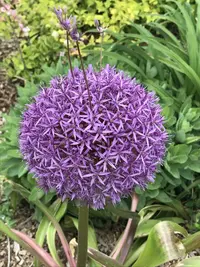
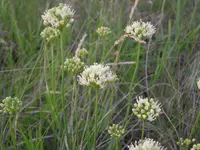
Allium flavescens is a small bulb-forming perennial in the onion family, valued for its fine-textured foliage and delicate pinkish to lilac flower clusters. It typically forms low clumps of narrow, grass-like leaves topped by airy spherical blooms.

This species is native to parts of Eurasia, where it grows in open, often dry, sunny habitats with relatively poor, well-drained soils. It is generally undemanding once established, which makes it suitable for rock gardens, naturalistic plantings, and low-maintenance borders.

Gardeners looking to care for Allium flavescens should focus on providing sun, free-draining soil, and protection from prolonged waterlogging, which are key to keeping the bulbs healthy over time.

Main Plant Requirements

Care Difficulty

Easy Care

Light Preference

Full Sun

Water Requirements

Low Water

Temperature Preference

Cold Hardy

Hardiness Zone

4–8

Soil Texture

Sandy, Loamy, Rocky

Soil pH

Slightly acidic (6.5–7.0), Slightly alkaline (7.0–7.5)

Soil Drainage

Well-drained

Fertilization

Minimal (feed rarely)

Get Personalized Care Plan

Scan your plant to receive care tips personalized for your specific plant

Available on iOS and Android

How to Care for the Allium flavescens

This bulb prefers bright, open conditions to flower well in the garden.

  • Provide full sun for 6–8 hours daily; light afternoon shade is acceptable in hotter regions to reduce stress.
  • Plant Allium flavescens in an unshaded bed where nearby plants or structures do not block midday light during the growing season.
  • In areas with intense summer sun, morning sun plus light, filtered afternoon light helps prevent leaf scorch, while too much shade leads to weak stems and few blooms.

This species prefers short, deep watering and dry intervals rather than constantly moist soil.

  • Water only when the top 3–5 cm of soil are completely dry, then soak the root zone and let excess drain away quickly.
  • During active growth and flowering, use rainfall plus infrequent deep watering; reduce or stop watering once foliage yellows and bulbs go dormant.
  • Ensure sharply drained, sandy or gritty soil; signs of overwatering include yellowing, soft bulbs, or a sour smell, while underwatering shows as limp, prematurely drying leaves.

This hardy bulb tolerates substantial cold but grows best within a moderate temperature range.

  • Active growth and flowering are strongest at 60–75°F (16–24°C), with cool nights supporting sturdy stems and good bud formation.
  • Dormant bulbs withstand winter lows near 0°F (−18°C) if soil is well drained and not waterlogged, especially in temperate climates.
  • In summer, plants handle up to about 90°F (32°C) if soil does not stay wet; prolonged heat above this or sudden hard frosts can damage foliage but usually spare dormant bulbs.

This species grows best in relatively dry air and does not need elevated humidity.

  • Target 30–50% humidity, similar to most heated or air-conditioned indoor spaces.
  • Dry air is tolerated well, but persistent humidity above 70% around foliage can encourage fungal leaf spots and bulb rot.
  • If air is very humid, increase airflow with a fan and avoid misting to keep leaves and bulb necks dry.

Allium flavescens requires lean, fast-draining mineral soil to prevent bulb rot.

  • Use a sandy or gritty loam with low to moderate organic matter, mimicking open, rocky ground.
  • Ensure very sharp drainage; aim for soil that drains in under 1 hour after thorough watering.
  • Maintain slightly alkaline to neutral pH around 7.0–7.8, adding a small amount of garden lime if soil is acidic.
  • Improve aeration and drainage by mixing equal parts coarse sand or grit, loam, and a small portion of compost.

This species is suitable for container growing if the pot is prepared to mimic sharp-draining, open ground.

  • Choose a deep pot at least 20–25 cm tall so bulbs can sit several cm below the rim with room for roots to extend downward.
  • Use a heavy terracotta or clay pot in windy sites to keep tall, flowering stems stable and reduce tipping risk.
  • Elevate the container on pot feet or bricks so drainage holes stay clear and excess water exits quickly after rain or irrigation.

This bulb is light‑feeding and often performs well in average, not overly rich soil.

  • For garden plantings, mix a small amount of compost into the topsoil in early spring before shoots emerge.
  • If growth or flowering is weak, apply a balanced NPK granular or slow‑release fertilizer at half strength once in spring.
  • Avoid repeated high‑nitrogen feeding, which encourages soft foliage instead of sturdy flowering stems.
  • Do not feed during summer dormancy or winter; Allium flavescens uses stored reserves in the bulb.

This species needs only minimal pruning to keep clumps tidy and support repeat flowering.

  • In late summer or autumn, cut back dry flower stalks at the base with clean hand pruners.
  • Remove yellowing or damaged leaves during the season to reduce disease and keep a neat appearance.
  • Leave green foliage in place until it naturally withers, so bulbs can recharge for next year’s blooms.
  • Avoid cutting into firm bulbs or healthy basal leaves, as this can weaken future growth.

This allium is usually grown in open ground, so care focuses on dividing and replanting clumps rather than frequent repotting.

  • Transplant or divide bulbs in late summer to early autumn, after foliage has fully died back.
  • Lift crowded clumps where flowering declines or bulbs push to the surface, typically every 3–5 years.
  • Gently loosen soil, lift bulbs with a fork, separate offsets by hand, and replant at their original depth in well‑drained soil.
  • Water lightly after transplanting to settle soil around roots, then allow the area to dry slightly to limit rot.

This bulb is commonly propagated by division of offsets and, less often, by seed under controlled conditions.

  • Divide mature clumps in late summer or early autumn once foliage has completely died back.
  • Lift bulbs carefully, separate firm, healthy offsets, and replant them at the same depth with good spacing.
  • For seed propagation, sow fresh seed in trays of gritty, well‑drained mix and keep cool and evenly moist.
  • Provide bright light and avoid overwatering; seedlings and new offsets may take several seasons to reach flowering size.

Mature bulbs are generally cold hardy in temperate climates and need little active winter care in the ground.

  • Allow foliage to die back naturally before cutting, so bulbs enter dormancy well charged.
  • In colder regions, apply a light mulch layer over the planting area to moderate soil temperature swings.
  • For containers, move pots to a sheltered, unheated but frost‑free spot and keep the mix only slightly moist.

Care Tips

Mark Bulb Positions

Insert small, weatherproof labels at planting time to mark each clump, so you can avoid damaging dormant bulbs when cultivating or replanting nearby perennials later in the season.

Dry-Site Bulb Lifting

In areas with very wet summers, lift bulbs after the foliage has fully died back, dry them in a single layer in a shaded, airy place for 7–10 days, then store them in paper bags with labels until replanting in drier conditions.

Targeted Clump Division

Every 3–4 years, divide overcrowded clumps in late summer by lifting only the congested area, separating and replanting firm bulbs at the original depth to maintain flower size and flowering density when growing Allium flavescens.

Prevent Seed Exhaustion

If plants are flowering heavily, remove most spent heads before they set seed, leaving just a few for self-sowing, so the bulbs can conserve energy and flower reliably the following year.

Low-Disturbance Weeding

Use shallow hand weeding or a narrow hoe that only skims the top 1–2 cm of soil around plants, reducing root and bulb disturbance while keeping competition from annual weeds under control.

Common Pests and Diseases

onion thrips

This pest feeds on leaves and flower stems, causing silvery streaks, fine speckling, and gradual yellowing or drying of foliage. Symptoms include reduced vigor and distorted flower stalks, especially in hot, dry weather.

Solution

Manage by removing plant debris, avoiding very dense plantings, and using a strong water spray on foliage to dislodge insects. For heavier infestations, apply a neem oil or insecticidal soap spray directed at leaf bases and flower stems, repeating every 7–10 days while conditions favor thrips.

leek moth

This pest tunnels inside leaves and sometimes flower stalks, leaving pale, blistered patches and frass-filled mines that weaken the plant. Symptoms include folded or wilted leaves and reduced flowering on affected stalks.

Solution

Remove and destroy infested leaves and nearby volunteer alliums to reduce larval populations. Use fine insect netting over plantings during peak moth flight periods and clean up all plant material after flowering to limit overwintering sites.

downy mildew

This disease causes pale, yellowish streaks or patches on leaves that later develop grey-violet, downy growth in humid or cool conditions. Symptoms include premature leaf collapse, which can weaken bulbs and reduce flowering in the next season.

Solution

Improve airflow by spacing clumps, avoiding overhead watering, and removing dense surrounding vegetation. Cut off and discard infected leaves, then rotate planting areas and, in wet seasons, consider a preventive copper-based fungicide labeled for alliums applied according to label directions.

basal rot

This disease starts at the base of the bulb, leading to soft, sunken, or discolored tissue and gradual yellowing and collapse of leaves from the tips downward. Symptoms include poor regrowth in spring and bulbs that may show white or pinkish fungal growth when cut open.

Solution

Dig up and discard affected bulbs and any obviously weakened neighbors, and avoid replanting alliums in the same spot for several years. Plant only firm, healthy bulbs in well-drained soil, avoid overfertilizing with nitrogen, and keep the planting area free of rotting plant debris to reduce inoculum, which supports better Allium flavescens care.

Interesting Facts

Pale Central Asian native

This species is naturally distributed in steppe and semi-arid habitats of Central Asia and adjacent regions, where it grows on dry, often calcareous slopes and open grasslands with cold winters and hot summers.

Delicate pink umbels

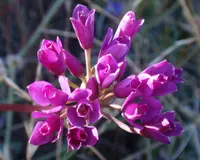
It produces loose, pale pink to lilac flower umbels on slender scapes, with relatively few, widely spaced florets that give the inflorescence a more airy and graceful appearance than many denser ornamental onions.

Late-summer flowering period

In its native range and in cultivation, this onion typically flowers from late summer into early autumn, extending the flowering season of rock gardens and dry borders compared with many early-blooming Allium species and supporting late-season pollinators.

FAQs about Allium flavescens

This species usually blooms from late summer into early autumn, depending on climate. Individual flower heads often look good for 2–4 weeks, while the overall display in a planting can extend over about 4–6 weeks.

Grow Healthy Plants with Botan Care

Keep your plants happy and healthy with plant identification, disease detection, and easy care guidance.

Botan plant care app — identify plants on mobile

Explore More Plants