violet bladderwort Care (Utricularia violacea)

violet bladderwort

About violet bladderwort

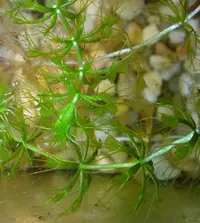
Violet bladderwort (Utricularia violacea) is a small, carnivorous plant that naturally grows in wet, nutrient-poor habitats such as bogs and marshy flats. It uses tiny underwater bladders to trap microscopic prey, which helps it survive in low-nutrient conditions.

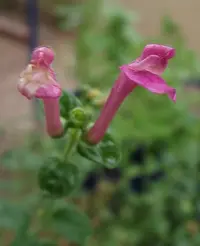
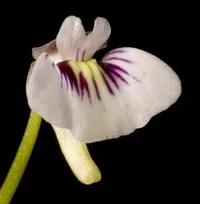
The plant typically forms fine, grass-like foliage with delicate purple flowers held on thin stems above the substrate. It is native to parts of Australia, where it often appears in seasonally wet areas.

Utricularia violacea can be moderately challenging, as it needs constant moisture, low-mineral conditions, and stable light to stay healthy. Understanding how to care for violet bladderwort starts with recreating these soft, wet, low-nutrient environments as closely as possible.

Main Plant Requirements

Care Difficulty

Hard Care

Light Preference

Partial Shade

Water Requirements

Aquatic

Temperature Preference

Tropical / Frost Sensitive

Hardiness Zone

Unknown

Soil Texture

Peaty, Organic-rich, Sandy

Soil pH

Strongly acidic (4.5–5.5)

Soil Drainage

Waterlogged tolerant

Fertilization

Minimal (feed rarely)

Get Personalized Care Plan

Scan your plant to receive care tips personalized for your specific plant

Available on iOS and Android

How to Care for the violet bladderwort

This small carnivorous species prefers bright but gentle light that mimics open, wet habitats.

  • Provide 4–6 hours of soft light daily, such as morning sun with dappled or filtered light from late morning to afternoon.
  • Allow light partial shade, especially during strong midday sun, to prevent leaf scorching and drying of its wet substrate.
  • In summer, reduce exposure to intense afternoon sun; in winter, move violet bladderwort to a brighter position to compensate for shorter days.

This carnivorous plant thrives in consistently wet, low-mineral conditions rather than typical potting soil cycles.

  • Maintain the substrate saturated at all times, using rainwater, distilled, or reverse-osmosis water; do not allow more than the top surface to dry.
  • Use a tray or saucer to keep 1–2 cm of water around the pot or planting area, ensuring no standing water becomes stagnant or foul-smelling.
  • Watch for stress signs: pale, limp foliage can indicate underwatering, while blackened bases or a sour smell suggest chronic overwatering and poor aeration.

This species prefers mild conditions and does not tolerate frost or prolonged extreme heat.

  • Aim for 65–80°F (18–27°C) during active growth, which supports steady trap function and flowering.
  • Protect from cold below 40°F (4°C), as repeated exposure near freezing can damage foliage and underground structures.
  • During heat above 86°F (30°C), provide shade and good air movement, and avoid hot, enclosed spots that can overheat roots and quickly dry the wet substrate.

This species prefers sustained high humidity to keep foliage healthy and traps functioning.

  • Aim for 60–80% humidity; lower levels slow growth and reduce trap activity.
  • It tolerates brief dips to 40–50%, but prolonged dry air leads to browning leaf tips and stalled flowering in violet bladderwort.
  • Increase humidity with a nearby pebble tray or closed terrarium-style setup, not by misting, which adds little lasting moisture.

This carnivorous species grows best in low-mineral, open, and consistently moist substrate rather than conventional potting soil.

  • Use a mix such as 1:1 sphagnum peat moss and silica sand or fine perlite to create a loose, wet but airy medium.
  • Keep drainage free but avoid nutrient-rich substrates; typical compost, manures, and fertilized mixes damage Utricularia violacea roots.
  • Aim for acidic conditions around pH 4.5–5.5, which support nutrient uptake from prey and reduce mineral burn.
  • Rinse peat and sand thoroughly with rainwater or distilled water before use to reduce dissolved salts and protect the plant’s delicate bladders.

This species is suitable for container growing when moisture and water chemistry are tightly controlled.

  • Select a wide, shallow pot to support spreading growth while keeping the entire substrate evenly moist.
  • Choose plastic or glazed ceramic containers, which slow water loss and maintain a stable wet environment compared with porous clay.
  • Stand the pot in a tray of rainwater or distilled water, allowing only the lower 1–2 cm of the substrate to sit in water to avoid stagnation.

This carnivorous aquatic-terrarium species needs very little added nutrition and can be damaged by typical fertilizers.

  • Avoid standard houseplant or slow-release fertilizers, which burn traps and roots in Utricularia violacea.
  • Use only nutrient-poor water (rain, distilled, or RO) and rely on natural prey for feeding instead of NPK products.
  • If growth declines, check light, water quality, and temperature first rather than adding fertilizer.

Pruning needs for Utricularia violacea are minimal and focus on hygiene rather than shaping.

  • Trim spent flower stalks at the base after blooming to reduce energy loss and encourage new flowering.
  • Gently remove dead or decaying leaves and stolons using fine scissors or tweezers to limit fungal problems.
  • Avoid heavy cutting of healthy growth, which can reduce photosynthesis and weaken this delicate carnivorous mat.

This species is usually grown in shallow containers or trays and is disturbed only when necessary.

  • Repot when the mat becomes very dense, growth slows, or algae and moss overrun the medium surface.
  • Best timing is in early spring, before active growth peaks, limiting stress to Utricularia violacea.
  • Repot every 2–3 years into a low-nutrient mix such as milled sphagnum with sand, keeping roots submerged or very moist.
  • Move clumps gently with a spoon, keep them constantly damp, and avoid rinsing or teasing apart the fine root system.

This plant is commonly multiplied by division and vegetative fragmentation rather than seed for home culture.

  • During active growth in spring–summer, separate small sections of stolons with attached leaves from the main mat.
  • Place divisions onto or just into the same low-nutrient medium, keeping them in shallow water under bright, indirect light.
  • Maintain stable warmth (65–80°F) and high humidity to support rapid reestablishment of the fine stolons.
  • Seed raising is possible but slower; provide constant moisture, bright light, and very clean, low-mineral water.

In mild climates and controlled indoor setups, this carnivorous species needs only basic winter stability.

  • Utricularia violacea is not frost tolerant; outdoor containers in cold regions should be moved indoors before freezing.
  • Keep water and medium above 50°F and avoid rapid temperature swings in aquaria or terraria.
  • Maintain bright, indirect light and consistent moisture, as drying during cool periods can quickly damage the fine stolons.

Care Tips

Use rainwater trays

Set the pot in a shallow tray of collected rainwater or reverse-osmosis water so the medium stays consistently moist from below without disturbing the delicate stolons and bladders at the surface.

Avoid physical disturbance

Place the container where it will not be brushed, shifted, or handled often, since repeated disturbance damages the fine stolons and traps and can noticeably slow growth when growing violet bladderwort.

Shallow wide containers

Use a wide, shallow pot or tray so the plant can spread its mat of foliage and traps horizontally, which encourages thicker coverage and more flowering spikes than in deep, narrow pots.

Minimal surface algae

If green algae or moss begins to cover the medium surface, gently siphon off the top few millimeters of water and replace with fresh pure water, reducing light intensity slightly until new algae growth slows.

Gentle propagation clumps

When dividing, lift and separate small clumps of stolons with attached leaves rather than tearing the mat apart, then place them on fresh medium and top with a thin layer of live or dried sphagnum to keep them evenly moist during reestablishment.

Common Pests and Diseases

Aphids

This pest clusters on tender flower stalks and leaf-like structures, sucking sap and weakening the plant, especially in greenhouse or indoor setups. Symptoms include distorted growth, sticky honeydew, and reduced flowering.

Solution

Rinse infested areas gently with low-mineral water to dislodge aphids, then repeat every few days until numbers drop. For persistent problems, use a dilute insecticidal soap safe for carnivorous plants and improve air movement around the pots while avoiding strong fans that dry the substrate.

Spider mites

This pest appears in warm, dry air conditions and feeds by piercing tissues, leading to pale, stippled foliage pads and fine webbing on foliage and stems. Symptoms include a general faded look to the plant and reduced vigor, especially under strong light with low humidity.

Solution

Increase humidity to 60–80% while keeping good air circulation, and lightly mist foliage with clean, low-mineral water to discourage mites without soaking flowers. If needed, apply a very mild insecticidal soap or horticultural oil formulated for sensitive plants, focusing on the undersides of foliage and repeating weekly until clear.

Fungal leaf spots

This disease develops in very wet, stagnant air and appears as small brown or black spots on foliage pads or stems that may merge into larger lesions. Symptoms include slow decline of affected segments and occasional dieback in crowded trays or terraria.

Solution

Remove and discard affected leaves, then increase airflow and avoid wetting foliage during watering to reduce leaf surface moisture. If the issue persists, apply a low-toxicity fungicide suitable for carnivorous plants at reduced label strength, and thin overcrowded clumps to dry more evenly, which supports long-term Utricularia violacea plant care.

Algal overgrowth

This problem affects the saturated substrate, where green films or mats of algae cover the surface, competing for light and oxygen around the fine stolons and traps. Symptoms include slowed spread of the plant, poor flowering, and a slick, green layer on media and pot edges.

Solution

Reduce light intensity directly on the media surface by shading the pot edges, and occasionally top-rinse with clean water to break up surface films. Repot into fresh low-nutrient, peat-based media when algal growth is heavy, and avoid fertilizer or nutrient-rich water sources that fuel algae while maintaining the constant moisture this species requires.

Substrate moss competition

This issue arises when fast-growing mosses overrun the pot surface, shading the tiny leaves and stolons and limiting space for new growth. Symptoms include Utricularia patches shrinking under a dense, springy moss layer and fewer flower stalks emerging.

Solution

Gently peel or scrape off thick moss mats from the surface without disturbing deeper stolons, and top-dress with fresh, clean peat or a peat–sand mix. Adjust watering so the medium stays saturated from below rather than constantly flooded from above, which helps slow moss regrowth while still supporting the aquatic-like traps and overall growth.

Interesting Facts

Tiny underwater traps

This species produces minute bladder-like traps on its submerged structures that actively suck in small aquatic invertebrates, supplying nitrogen in the nutrient-poor wetlands it inhabits in southern Australia.

Australian wetland specialist

It is native to seasonal swamps, soaks, and shallow pools in parts of southern Australia, where it often grows in sandy, low-nutrient soils that become waterlogged in the wet season and may dry back later in the year.

Distinctive violet flowers

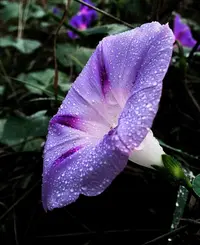
The plant bears showy violet to purple flowers on slender stalks above the water or wet soil surface, with a characteristic two-lipped corolla that helps distinguish it from many other bladderwort species in the same region.

Botan icon

Did you know?

This species is part of a largely terrestrial and epiphytic group within the genus, yet it has retained fully functional aquatic-style suction traps, making it an important model for studying how carnivorous adaptations persist while growth forms shift between land and water habitats.

FAQs about violet bladderwort

Sparse flowering often comes from low light, nutrient-rich water, or unstable moisture. This carnivorous species prefers bright conditions, very low mineral water, and consistently wet substrate. Stable, suitable conditions over several months usually restore regular blooming.

Grow Healthy Plants with Botan Care

Keep your plants happy and healthy with plant identification, disease detection, and easy care guidance.

Botan plant care app — identify plants on mobile

Explore More Plants