fringed bladderwort Care (Utricularia simulans)

fringed bladderwort

About fringed bladderwort

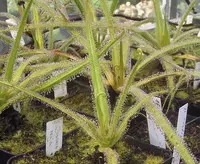
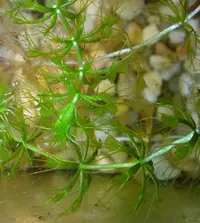
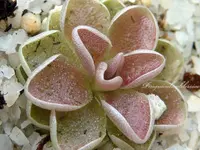
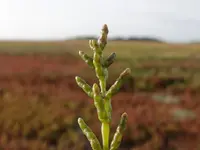
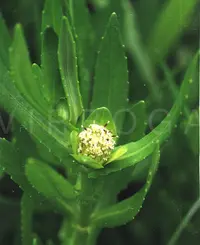
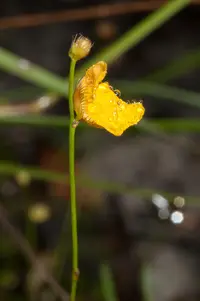
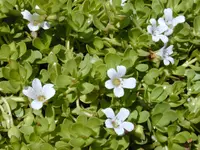
Fringed bladderwort (Utricularia simulans) is a small, aquatic or semi-aquatic carnivorous plant that traps tiny aquatic animals in bladder-like sacs. It usually forms fine, threadlike underwater foliage with delicate, sometimes fringed flowers that rise above the water on slender stalks.

This species is native to nutrient-poor wetlands and shallow waters in tropical and subtropical regions, where constant moisture and soft, low-mineral water are typical. Its carnivorous habit helps it survive in low-nutrient environments, which also means it can be sensitive to hard water and rich substrates.

For those who want to care for fringed bladderwort, the main challenges are keeping water chemistry stable and providing bright light without overheating the shallow water it prefers.

Main Plant Requirements

Care Difficulty

Hard Care

Light Preference

Partial Shade

Water Requirements

Aquatic

Temperature Preference

Tropical / Frost Sensitive

Hardiness Zone

10–12

Soil Texture

Sandy, Peaty, Organic-rich

Soil pH

Strongly acidic (4.5–5.5)

Soil Drainage

Waterlogged tolerant

Fertilization

Minimal (feed rarely)

Get Personalized Care Plan

Scan your plant to receive care tips personalized for your specific plant

Available on iOS and Android

How to Care for the fringed bladderwort

This small carnivorous species prefers bright, gentle light similar to open, wet grasslands.

  • Provide 4–6 hours of soft sun daily, ideally morning sun with light shade or filtered light from late morning to afternoon to prevent leaf scorch.
  • Allow light partial shade during the hottest months, as fringed bladderwort can suffer from bleaching and stunted growth under harsh midday or afternoon sun.
  • Watch growth: compact, green foliage signals enough light, while long, weak stems or pale leaves indicate insufficient light, especially in late autumn and winter.

This aquatic or semi-aquatic carnivorous plant needs consistently wet conditions rather than traditional soil watering cycles.

  • Grow in very wet, low-mineral substrate or shallow, standing water 2–5 cm deep; avoid letting the root zone dry out at any time.
  • Use rainwater, distilled, or reverse-osmosis water, as Utricularia simulans is sensitive to dissolved salts that accumulate and damage its traps and leaves.
  • Reduce water depth slightly in cooler seasons if growth slows, but maintain saturation; yellowing, limp foliage may signal poor water quality, while crisp, browning tissue indicates drying.

This species favors mild to warm conditions typical of frost-free, lowland habitats.

  • Aim for 70–82°F (21–28°C) during active growth for best vigor, with stable conditions and high humidity around the foliage and traps.
  • Protect from cold; growth slows below about 60°F (16°C) and sustained temperatures under 50°F (10°C) can cause damage or loss of the plant.
  • Shield from extreme heat above 90°F (32°C) by increasing shade and airflow, as prolonged overheating can stress traps and reduce flowering.

This species prefers high, consistent humidity to thrive and trap prey efficiently.

  • Aim for 70–90% humidity using trays of water or a humidifier around the pot or terrarium.
  • Tolerates brief dips to 50–60%, but prolonged dry indoor air slows growth and reduces bladder activity.
  • Crisping leaf edges, stalled growth, and pale foliage signal low humidity; increase moisture by enclosing the container or using a humidity dome.

This carnivorous species grows best in very wet, nutrient-poor, airy media rather than typical potting soil.

  • Use a mix of 1:1 long-fiber sphagnum and silica sand or fine perlite for a loose, open texture.
  • Keep the medium saturated or waterlogged but not compacted, allowing water to move freely through the pot or tray.
  • Maintain an acidic pH around 4.5–6.0 by using only peat or sphagnum-based components and distilled or rainwater.
  • Avoid fertilizers, compost, bark, or standard potting mixes, which add excess nutrients that can burn Utricularia simulans roots and bladders.

This species is well suited to container culture, especially in trays or shallow bog-style pots.

  • Choose a wide, shallow container to provide horizontal spread for stolons while keeping the entire medium evenly wet.
  • Use plastic or glazed ceramic pots, which slow evaporation and help maintain the constant saturation this plant requires.
  • Set the pot in a deep tray of water so the lower 2–3 cm of the medium stays submerged without flooding the foliage.

This carnivorous aquatic plant grows in low-nutrient conditions and usually does best with no added fertilizer.

Utricularia simulans benefits from light, occasional pruning to keep growth healthy and flowering reliable.

  • Trim away dead or decaying foliage at any time using small, sharp scissors to maintain water quality.
  • In late spring or early summer, thin out congested mats to improve light penetration and water movement.
  • Remove algae-covered or weak stems to lower disease risk and encourage stronger, more vigorous growth.

This small, mat-forming bladderwort is usually handled by transplanting clumps rather than traditional repotting.

  • Transplant when growth becomes overly dense, smothered, or spreads outside the intended container area.
  • Aim for late spring or early summer, about every 1–2 years, when active growth helps recovery.
  • Gently lift sections, keeping roots and traps submerged and intact, then place into fresh, nutrient-poor aquatic media.
  • Minimize air exposure and temperature swings during the move to reduce transplant shock and stress.

Utricularia simulans plant care often includes propagation to refresh colonies and share plants.

  • Use vegetative division in spring or early summer by separating healthy, actively growing strands or clumps.
  • Place divisions in shallow, nutrient-poor water with good light and stable warmth for quick establishment.
  • Seed propagation is possible but slow; surface-sow in very clean, low-nutrient aquatic setups.
  • Avoid strong water movement during early establishment so delicate traps and fine stems are not damaged.

This species prefers consistently mild, frost-free conditions; fringed bladderwort indoor care is usually safest in cold climates.

  • Keep water temperatures above 55–60°F and avoid any freezing of the root and trap zone.
  • In temperate regions, overwinter containers indoors under bright light or in a heated greenhouse.
  • Reduce feeding of live prey and maintain clean, low-nutrient water to prevent rot during slower winter growth.

Care Tips

Water Depth Management

Use a shallow tray and keep water just 0.5–1 cm above the pot base, then let it briefly drop to surface level before refilling to prevent anoxic conditions in the root zone.

Regular Media Renewal

Repot every 12–18 months, replacing all substrate to prevent mineral buildup and organic decay that can weaken this fine-rooted carnivorous plant.

Clean Water Protocol

Collect rainwater in a covered, food-safe container and flush the pot thoroughly every 4–6 weeks to wash out accumulated dissolved minerals.

Companion-free Growing

Avoid planting with mosses, algae, or other small aquatics, and remove any that appear so they do not overgrow and smother the delicate foliage and traps.

Trap Health Monitoring

Inspect foliage and underwater stolons with a hand lens every few weeks; if traps look brown and sparse instead of clear and plump, adjust water quality and refresh the medium as part of caring for fringed bladderwort.

Common Pests and Diseases

Aphids

This pest feeds on tender stolons, flower stalks, and leaf-like structures, extracting sap and weakening growth. Symptoms include distorted foliage, sticky honeydew, and reduced flowering.

Solution

Rinse the plant gently under soft, mineral-free water to dislodge insects, repeating every few days until populations drop. For persistent infestations, spot-treat with a dilute insecticidal soap that is safe for aquatic plants, keeping detergents out of the water column as much as possible and avoiding any fertilizer-like additives that could harm the traps and alter water chemistry.

Spider mites

These insects prefer warm, dry air and can colonize emergent or marginal growth, causing pale stippling, fine webbing, and a general faded appearance. This pest is more common when humidity is low or the plant is grown in very sheltered indoor setups.

Solution

Increase relative humidity and improve air movement over the foliage while avoiding strong, drying drafts. Rinse affected parts under gentle water and, if needed, use a targeted miticide or insecticidal soap labeled for spider mites, applied lightly and followed by several plain water rinses to protect the delicate bladder-bearing tissues.

Fungal blight

This disease develops on overcrowded, constantly saturated foliage, especially in still air, leading to browning, collapse, and slimy patches on stolons and leaves. Symptoms include rapid dieback of dense mats, sometimes starting at the center of the colony.

Solution

Thin out dense growth, remove and discard affected tissue, and improve water circulation and air movement over the container. Adjust water level so the plant remains wet but not buried under stagnant water, and if the problem persists, apply a mild fungicide suitable for aquatic or bog plants at reduced strength while monitoring for any stress response in the traps.

Algal overgrowth

This problem occurs when excess nutrients and high light allow filamentous or slimy algae to overrun the water surface and substrate. Symptoms include green films or strings smothering stolons, traps, and young leaves, which can reduce light penetration and oxygen around the plant.

Solution

Reduce nutrient input by using low-mineral water, avoid any fertilizer, and shade the water surface slightly if light is very intense. Manually remove algae with tweezers or a soft brush, refresh part of the water regularly, and decrease organic buildup in the container to give the plant a competitive advantage.

Snail and slug damage

These pests are attracted to wet, nutrient-poor carnivorous plant setups and can chew on stolons, flower stalks, and traps. Symptoms include missing sections of leaves, ragged edges, and slime trails on or around the planting area.

Solution

Hand-pick snails and slugs at night or in low light and remove hiding spots such as loose debris around the pot or tray. Use physical barriers like copper tape on container rims or place the pot in a water moat that is deep enough to prevent access, avoiding bait products that may leach toxins into the water and harm sensitive bladder traps.

Interesting Facts

Specialized ephemeral habitat

This species is known from nutrient-poor, seasonally wet habitats in parts of Africa, where it grows in very shallow, temporary water or saturated soil that may dry out between wet seasons.

Minute aquatic traps

Like related bladderworts, it bears tiny underwater bladder traps on its finely divided leaves, but in this species the traps are extremely small and adapted to capture microinvertebrates in thin water films as well as in shallow pools.

Localized distribution patterns

Field records show that this plant often appears in scattered, localized populations linked to specific microhabitats, which makes it more vulnerable to changes in land use and hydrology than more widespread aquatic carnivores.

FAQs about fringed bladderwort

This species can spread quickly in suitable wet, nutrient-poor conditions, forming dense mats. In containers it is easy to control, but in outdoor bogs or ponds it may outcompete delicate neighbors and require periodic thinning.

Grow Healthy Plants with Botan Care

Keep your plants happy and healthy with plant identification, disease detection, and easy care guidance.

Botan plant care app — identify plants on mobile

Explore More Plants