pink petticoats Care (Utricularia multifida)

pink petticoats

About pink petticoats

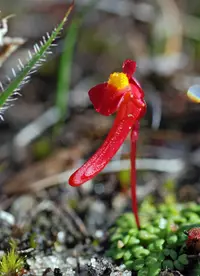
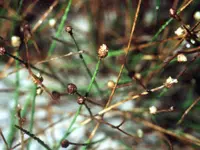
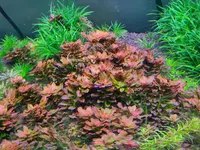
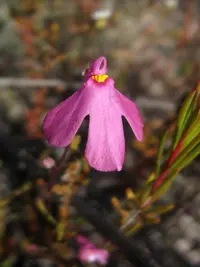
Pink petticoats (Utricularia multifida) is a small carnivorous plant from Australia, forming low, fan-like foliage with delicate pink to mauve flowers held above the leaves. It naturally grows in nutrient-poor, seasonally wet habitats, using tiny bladder traps on its roots to capture microscopic prey. This species is usually grown in pots or trays rather than standard garden beds, and it prefers consistently moist conditions and bright, indirect light. Its need for low-mineral, acidic, wet substrates and clean water makes it more suitable for growers who are ready to learn how to care for pink petticoats with some attention to detail.

Main Plant Requirements

Care Difficulty

Hard Care

Light Preference

Partial Shade

Water Requirements

Aquatic

Temperature Preference

Tropical / Frost Sensitive

Hardiness Zone

10–11

Soil Texture

Peaty, Organic-rich

Soil pH

Strongly acidic (4.5–5.5), Acidic (5.5–6.5)

Soil Drainage

Waterlogged tolerant

Fertilization

Minimal (feed rarely)

Get Personalized Care Plan

Scan your plant to receive care tips personalized for your specific plant

Available on iOS and Android

How to Care for the pink petticoats

This carnivorous species prefers bright, gentle light that mimics open, boggy habitats.

  • Provide 4–6 hours of soft morning sun with bright, filtered light the rest of the day; avoid harsh midday and late afternoon sun in hot climates.
  • Tolerates light partial shade, but very dim conditions reduce flowering and weaken pink petticoats foliage over time.
  • In summer, protect from intense sun with shade cloth or dappled shade; in cooler seasons, move plants where they receive slightly longer direct exposure for stronger growth.

This bog-adapted plant needs constantly wet conditions rather than alternating wet and dry cycles.

  • Keep the substrate saturated using low-mineral water; there should be no drying of the surface layer, unlike many terrestrial plants.
  • Use a tray or basin method so water stands 1–3 cm around the pot base, ensuring Utricularia multifida never dries while still allowing some gas exchange at the surface.
  • Watch for stress signals: pale, limp foliage and shrinking mats suggest underwatering, while sour odor or blackening roots indicate stagnation and poor aeration rather than true overwatering.

Stable, mild temperatures support the strongest growth and flowering for this species.

  • Aim for 70–80°F (21–27°C) during active growth, which matches warm, shallow wetland conditions where this plant naturally thrives.
  • Protect from cold; growth slows below 60°F (16°C) and damage occurs near 40°F (4°C), with plants usually killed by any frost or freezing conditions.
  • In hot weather above 86°F (30°C), increase humidity and shade, and avoid heating the root zone with sun on black containers or shallow water trays.

This species prefers consistently humid air for stable growth.

  • Aim for 60–80% humidity; growth slows and traps dry out faster below 50%.
  • Tolerates brief dips into 40–50% but leaves may brown at tips and flower spikes may abort.
  • Increase humidity with a nearby open tray of water, grouped plants, or a room humidifier rather than misting, which adds only short-term moisture.

This carnivorous species needs a nutrient-poor, airy, constantly moist medium rather than conventional potting soil.

  • Use a mix of 1:1 damp milled sphagnum or long-fiber sphagnum and silica sand for a loose, fibrous, organic-rich structure.
  • Ensure the mix stays wet but not soupy; it should drain slowly while always feeling moist to the touch.
  • Keep pH mildly acidic, roughly 4.5–6.0, avoiding lime, compost, manure, or added fertilizer which can burn the delicate roots of Utricularia multifida.
  • Improve aeration by using coarse sand or fine-grade aquatic plant grit, and avoid dense peat plugs that compact and exclude oxygen.

This species is well suited to container culture when moisture and depth are controlled carefully.

  • Choose a relatively deep pot or tray so the fine roots and underground traps have a stable, cool, permanently wet zone.
  • Use a glazed ceramic or plastic container to slow evaporation, especially in warm or dry climates.
  • Stand the pot in a shallow water tray that keeps the lower mix saturated while allowing the upper surface to stay just moist, not submerged.

This carnivorous species gains most nutrients from captured prey, so fertilizer use must be minimal and carefully controlled when caring for pink petticoats.

  • If growth is weak in very nutrient-poor media, use a dilute balanced NPK fertilizer at 1/8–1/4 strength only.
  • Apply sparingly during the warm growing season, no more than every 4–6 weeks, and skip feeding in winter or dormancy.
  • Always fertilize into surrounding water, never directly onto leaves or traps, to avoid tissue burn and algae growth.

Utricularia multifida needs only light, corrective pruning to keep the plant tidy and flowering well.

  • Trim spent flower stalks at the base after blooming to encourage continued flowering and reduce seed set.
  • Remove dead or yellowing foliage with fine scissors to limit rot and maintain airflow around the plant.
  • Thin out crowded patches by lifting small sections, improving light penetration and overall vigor without reshaping heavily.
  • Use clean, sharp tools and disinfect blades before and after work to reduce transmission of fungal or bacterial problems.

This species grows best in stable, low-nutrient media and resents frequent disturbance, so repotting should be infrequent and gentle.

  • Check for signs such as dense, matted growth, slow vigor, or rhizoids pressing against the pot as indicators for repotting.
  • Plan to repot every 2–3 years in late winter to early spring, just before active growth resumes.
  • Prepare fresh, low-mineral mix, typically a peat or sphagnum-based medium with added sand, kept consistently moist with low-mineral water.
  • Slide the clump out carefully, avoid breaking fine structures, replant at the same depth, and keep humidity high for 1–2 weeks to reduce stress.

Utricularia multifida is usually propagated vegetatively, using divisions of healthy clumps rather than seeds for reliable results.

  • Divide mature mats in late winter to early summer, when plants are actively growing but not under heat stress.
  • Gently tease apart sections with several growing points, keeping fine roots and stolons intact as much as possible.
  • Plant divisions into fresh, low-nutrient, water-retentive media and keep consistently moist with low-mineral water.
  • Maintain bright, indirect light, high humidity, and stable temperatures to support new growth and reduce transplant shock.

This subtropical carnivorous plant is not frost hardy and requires protective winter care in most temperate climates.

  • Move container plants indoors or into a heated greenhouse before temperatures drop below 45°F.
  • Provide bright, indirect light and keep the planting medium moist with low-mineral water, not waterlogged.
  • Avoid cold drafts and sudden temperature swings; aim for a stable 60–75°F indoor range during winter.

Care Tips

Use Shallow Trays

Grow the plant in a wide, shallow pot sitting in a low water tray so the rhizomes and fine roots can spread laterally, which supports denser growth and more flowers.

Refresh Water Regularly

Top up and replace the tray water with fresh rainwater or distilled water every 1–2 weeks to prevent mineral buildup that can damage the delicate bladder traps.

Avoid Nutrient Drift

Keep this plant physically separated from fertilized houseplants so no runoff or fertilizer mist reaches the pot, since added nutrients can quickly suppress trap formation and cause decline.

Seasonal Light Adjustment

Shift the pot slightly farther from intense summer midday sun and closer to the light source in winter to keep a consistent bright, indirect light level that supports stable growth.

Monitor Trap Activity

Inspect the tiny bladder traps under a hand lens every few months; active, clear traps indicate healthy conditions, while dark, collapsed traps signal the need to improve water quality or aeration when growing pink petticoats.

Common Pests and Diseases

Aphids

This pest feeds on tender stolons, leaves, and flower stalks, sucking sap and causing distortion, yellowing, and sticky honeydew deposits that can lead to sooty mold.

Solution

Rinse the plant gently but thoroughly with low-mineral water to dislodge aphids, then repeat every few days; for persistent infestations, use a dilute insecticidal soap safe for carnivorous plants, and avoid fertilizer or hard water that can further stress Utricularia multifida plant care conditions.

Spider mites

These insects thrive in warm, dry indoor air and cause stippled, faded leaves, very fine webbing, and general decline of the delicate foliage.

Solution

Increase ambient humidity to 60–80%, regularly mist around (not directly into the traps) with soft water, and gently wash foliage; if needed, use a mild, carnivorous-plant-safe miticide or insecticidal soap and improve air movement without creating strong drafts.

Fungal leaf spots

This disease appears as small brown, tan, or black specks or patches on leaves and stolons, sometimes with a yellow halo, often following prolonged surface wetness and stagnant air.

Solution

Remove and discard affected leaves, improve air circulation around the pot, keep foliage less splashed during watering, and if spotting spreads, apply a low-toxicity fungicide labeled safe for delicate ornamentals while adjusting conditions to avoid constantly wet leaf surfaces.

Botrytis blight

This disease is characterized by soft, collapsing tissue on leaves or flower stalks, often covered with fuzzy gray mold in very humid, poorly ventilated setups.

Solution

Promptly cut away all affected parts and discard them, increase ventilation and reduce overcrowding, avoid water sitting on foliage, and if necessary use a gentle fungicide suitable for carnivorous plants while keeping humidity high but air movement steady.

Interesting Facts

Australian sandstone specialist

This species is naturally restricted to nutrient-poor, seasonally wet sandstone habitats in southwestern Western Australia, where it grows in shallow, sandy soils over rock and along seepage lines.

Terrestrial bladder traps

Unlike many carnivorous bladderworts that live submerged, this plant bears its tiny suction traps in the soil around the roots, where they capture small soil microfauna such as protozoa and nematodes.

Distinctive three-lobed leaves

Its foliage forms rigid, three-lobed leaves that look almost like small tridents, a very unusual leaf shape within the bladderwort genus and one of the key characters used to recognize the species.

Botan icon

Did you know?

The species was historically placed alone in its own genus, Polypompholyx, because of its unusual three-lobed leaves and trap structure, and molecular studies later confirmed it as part of a distinct lineage within Utricularia, making it important in understanding bladderwort evolution.

FAQs about pink petticoats

Lack of flowering often comes from insufficient light, water quality, or nutrients. This carnivorous species prefers very pure, low-mineral water and steady, bright conditions. Stress from repotting, temperature swings, or nutrient-rich soil can also reduce blooming.

Grow Healthy Plants with Botan Care

Keep your plants happy and healthy with plant identification, disease detection, and easy care guidance.

Botan plant care app — identify plants on mobile

Explore More Plants