Shallow Water Tray
Stand the pot in a wide, shallow tray of water so the lower drainage holes just touch the surface, which keeps the root zone constantly moist without fully submerging the crown and mimics this species’ natural swamp-edge habitat.

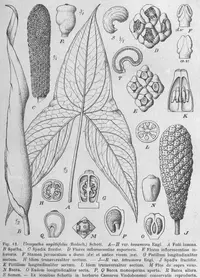
Urospatha sagittifolia is an aquatic aroid native to tropical wetlands and river margins in Central and South America. It grows from rhizomes and forms dense clumps over time. The plant is known for its long, arrow-shaped leaves and distinctive twisted spathes, which give it an unusual, architectural look in ponds or very wet containers. In nature it thrives in warm, humid, shaded environments with standing or slow-moving water. This species can be challenging outside of tropical or controlled conditions because it demands constant moisture, warmth, and stable humidity. For those ready to care for Urospatha sagittifolia, it suits experienced growers who can provide a reliably wet, nutrient-rich substrate and soft, filtered light.

Care Difficulty
Hard Care

Light Preference
Partial Shade

Water Requirements
Aquatic

Temperature Preference
Tropical / Frost Sensitive

Hardiness Zone
11–12

Soil Texture
Silty, Peaty, Organic-rich

Soil pH
Acidic (5.5–6.5)

Soil Drainage
Waterlogged tolerant

Fertilization
Light (every 4–6 weeks)
Scan your plant to receive care tips personalized for your specific plant
Available on iOS and Android
This swamp-dwelling aroid prefers bright, gentle light that mimics dappled tropical sun.
This species is adapted to consistently wet, even swampy conditions rather than intermittently dry soil.
This tropical wetland plant thrives in warm, stable temperatures without strong seasonal swings.
This species prefers very high humidity similar to tropical wetlands.
Soil for Urospatha sagittifolia should mimic a consistently wet, organic-rich riverside substrate.
This species can grow in containers if the setup maintains constant moisture and stability.
This wetland aroid benefits from modest feeding when actively growing, but excessive fertilizer can damage its roots.
Urospatha sagittifolia needs only light, hygienic pruning to keep foliage healthy and tidy.
This species prefers stable, undisturbed conditions, so repotting or transplanting is done only when clearly needed.
Urospatha sagittifolia is usually propagated by division or seed under warm, humid conditions.
This tropical wetland plant is frost-sensitive and needs protection in regions with cool winters.

Plant Health Check
Not sure what's wrong with your plant? Check your plant's health inside the app.
This species often grows along flooded forest edges where its long, sagittate (arrow-shaped) leaves emerge from rhizomes anchored in saturated mud or shallow water, helping it tolerate seasonal inundation in the Amazon and Orinoco basins.
Its inflorescence has a long, spirally twisted spadix partly enclosed by a narrow, hooded spathe, creating a sheltered space that guides visiting insects and enhances pollination efficiency.
Fruits and seeds are adapted to disperse in slow-moving water, allowing the plant to colonize new river margins and backwaters over time when you grow Urospatha sagittifolia in naturalistic aquatic setups.

In its native lowland tropical wetlands, this aroid sometimes forms extensive monospecific stands along quiet blackwater streams, subtly stabilizing muddy banks and providing shelter for juvenile fish and aquatic invertebrates beneath its arching leaf canopy.
Leaf browning usually comes from low humidity, drying out between waterings, or exposure to cold drafts. Brown tips and edges indicate moisture stress. Maintain consistently damp substrate, high humidity, and stable warmth, and trim only fully dead tissue.
Keep your plants happy and healthy with plant identification, disease detection, and easy care guidance.