creeping buttercup Care (Ranunculus repens)

Also known as: Double-flowered Creeping Buttercup
creeping buttercup

About creeping buttercup

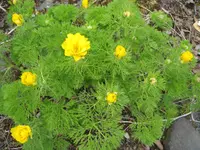
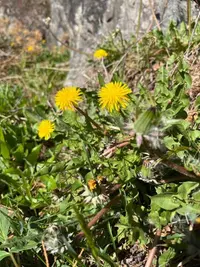
Creeping buttercup (Ranunculus repens) is a low-growing, spreading perennial often found in lawns, pastures, ditches, and damp garden areas. It forms dense mats through creeping stems that root at the nodes.

Plants produce glossy yellow flowers above deeply divided, dark green leaves, giving a bright but sometimes invasive presence. In many regions it behaves as an aggressive weed, especially in moist, heavy soils.

Ranunculus repens prefers cool, damp conditions, consistent moisture, and fertile soil, which makes it persistent once established. Understanding how to care for creeping buttercup is important if it is intentionally grown or needs to be controlled in managed spaces.

Main Plant Requirements

Care Difficulty

Moderate Care

Light Preference

Partial Sun

Water Requirements

Keep Soil Moist

Temperature Preference

Cold Hardy

Hardiness Zone

3–8

Soil Texture

Loamy, Silty, Organic-rich

Soil pH

Acidic (5.5–6.5), Slightly acidic (6.5–7.0)

Soil Drainage

Waterlogged tolerant

Fertilization

Minimal (feed rarely)

Get Personalized Care Plan

Scan your plant to receive care tips personalized for your specific plant

Available on iOS and Android

How to Care for the creeping buttercup

Ranunculus repens grows best in bright, cool conditions with protection from harsh afternoon sun.

  • Provide 4–6 hours of direct morning sun or light dappled shade all day, especially in spring and early summer.
  • Allow partial shade in hotter regions, since creeping buttercup can scorch in strong afternoon sun and dry, exposed positions.
  • In cooler climates, choose an open site with at least 3–4 hours of sun; too much shade leads to weak, floppy growth and fewer flowers.

Ranunculus repens prefers consistently moist soil but suffers in stagnant, waterlogged conditions.

  • Water when the top 2–3 cm of soil feels just moist, not dry or soggy, using rainfall as the main source whenever possible.
  • In summer dry spells, increase watering so the root zone stays evenly damp; in cool, wet seasons, reduce added water to prevent rot.
  • Signs of underwatering include wilted, dull foliage, while yellowing leaves and a sour soil smell usually indicate overwatering or poor drainage.

This species is a cool-temperate plant that tolerates a wide range of outdoor temperatures once established.

  • Optimal growth occurs around 50–70°F (10–21°C), especially in moist soils and moderate light conditions.
  • Plants typically survive down to about 10–15°F (-12 to -9°C) with snow or mulch cover, though top growth may die back and regrow in spring.
  • Heat above 85°F (29°C) can stress plants, so provide extra moisture and partial shade during hot spells to limit leaf scorch and decline.

Humidity is rarely a limiting factor for Ranunculus repens, which adapts well to typical outdoor ranges.

  • Target 40–70% humidity, as creeping buttercup naturally occurs in moist meadows and stream edges.
  • Expect little sensitivity to short dry spells, but prolonged very dry air combined with heat may slow growth and cause leaf edges to crisp.
  • Increase local humidity outdoors by mulching the soil and watering the root zone regularly rather than misting foliage.

Ranunculus repens prefers consistently moist, fertile, and reasonably airy soil.

  • Use a loamy, organic-rich soil that holds moisture but is not sticky or compacted, such as garden loam amended with compost.
  • Aim for slightly acidic to neutral pH (6.0–7.0), avoiding strongly acidic or alkaline conditions that reduce nutrient availability.
  • Improve drainage and aeration by mixing in coarse sand or fine grit (10–20%) where soil is heavy or prone to waterlogging.
  • Avoid dense clay or constantly saturated, stagnant soil, which encourages root rot and weak, yellowing growth in Ranunculus repens.

This species can be grown in containers, mainly for water control and to limit its spread.

  • Choose a wide, shallow pot to accommodate its creeping habit, allowing stolons to root without deep soil layers staying wet.
  • Select a heavier pot material, such as ceramic or clay, to keep the spreading foliage from tipping the container in wind.
  • Raise the pot slightly on feet or bricks so drainage holes stay clear and excess water escapes quickly after rain or irrigation.

Ranunculus repens generally needs minimal feeding, especially in fertile, moist garden soil.

  • For poor or sandy soils, apply a thin layer of garden compost or well-rotted manure in early spring to support growth.
  • Use a light application of balanced slow-release fertilizer (around 10-10-10) once in spring if flowering is weak.
  • If using liquid feed, dilute to 1/2 strength and apply every 4–6 weeks only during active growth.
  • Stop feeding in late summer as growth slows, and do not fertilize during winter dormancy.

Pruning Ranunculus repens helps control spread and maintain a tidy, manageable patch.

  • Cut back spent flower stems in late spring or early summer to limit self-seeding and encourage fresh foliage.
  • Remove dead, damaged, or yellowing leaves whenever noticed to reduce disease risk and improve air flow.
  • Shear or mow large patches low after flowering to check invasiveness and renew growth.
  • Use clean hand shears or lawn clippers, and dispose of unwanted runners so they do not re-root elsewhere.

Transplanting Ranunculus repens is mainly done to control spread or move plants to a new area rather than for container culture.

  • Transplant in early spring or early fall when temperatures are mild and soil is moist but not waterlogged.
  • Lift clumps with a garden fork, keeping as much root and attached runners as possible to reduce stress.
  • Replant at the same depth in prepared soil, spacing plants so runners have limited room if spread is a concern.
  • Water thoroughly after transplanting, then keep soil evenly moist for 1–2 weeks while roots re-establish.

Ranunculus repens spreads readily, so propagation is usually simple and often happens on its own.

  • Use natural runners in spring or early summer; peg them down onto moist soil until new roots form, then cut from the parent.
  • Divide mature clumps in early spring, replanting divisions with healthy roots and shoots.
  • Seeds can be sown outdoors in fall or early spring in moist, cool soil for gradual establishment.
  • Provide consistent moisture and partial sun while new plants root or germinate, avoiding waterlogged conditions.

Ranunculus repens is cold hardy in much of the US and usually needs little special winter care.

  • In colder regions, a light 2–5 cm mulch of leaves or compost helps insulate the root zone.
  • Container-grown plants are more exposed; move pots to a sheltered, frost-free spot if temperatures drop below the plant’s hardiness range.
  • Leave top growth in place until late winter; it provides some natural insulation before being cut back in early spring.

Care Tips

Contain Spreading Habit

Install a shallow physical barrier 15–20 cm deep around planting areas to prevent rhizomes from creeping into lawns or beds where the plant is not wanted.


Use Targeted Deadheading

Remove spent flowers before seed set by pinching or snipping just below the flower head to reduce self-seeding and keep plants focused on vegetative growth.

Exploit Groundcover Ability

Plant in strips between stepping stones or along paths and mow or trim the edges regularly so the mat stays dense, low, and controllable.

Time Division Carefully

Lift and divide clumps in early spring or early fall, replanting only the healthiest, non-woody sections of rhizome to maintain vigorous patches and make managing or growing creeping buttercup more predictable.

Monitor Moisture Zones

In wetter sites, group plants in clearly defined moisture zones and use edging or shallow trenches to direct water so patches stay healthy without allowing the species to spread into drier, unintended areas.

Common Pests and Diseases

Leaf spot

This disease causes brown to black spots on leaves that may merge into larger blotches, often with yellowing tissue around them. Symptoms include premature leaf drop in wet, crowded plantings.

Solution

Remove and dispose of heavily spotted leaves, avoid overhead watering, and thin or divide dense patches to improve air movement. In beds with recurring problems, keep foliage as dry as possible and apply a copper or chlorothalonil fungicide during prolonged wet periods, following label directions carefully.

Powdery mildew

This disease produces white, powdery fungal growth on the upper leaf surface, leading to distortion and reduced vigor in dense, shaded stands. Symptoms include leaves that yellow and dry out early in the season.

Solution

Increase light and airflow by thinning plants and reducing excessive nitrogen fertilization, which promotes soft, susceptible growth. Remove and discard heavily infected foliage and, in persistent cases, treat during early symptom development with a sulfur or potassium bicarbonate product labeled for ornamental use.

Rust

This disease forms small, orange to brown pustules on the undersides of leaves, sometimes causing yellow spots on the upper surface. Symptoms include weakened plants and early leaf drop, especially in moist, sheltered locations.

Solution

Remove and destroy affected leaves as soon as rust pustules are seen and avoid overhead irrigation that keeps foliage wet for extended periods. In sites with a history of rust, space plants to dry quickly after rain and consider a preventive fungicide labeled for rust on ornamentals if conditions remain cool and damp.

Crown rot

This disease leads to soft, brown, collapsing crowns at soil level, often following periods of waterlogging. Symptoms include sudden wilting and death of individual rosettes even when soil appears moist.

Solution

Improve drainage by avoiding compacted soils and standing water, and reduce irrigation so the top few cm of soil dry slightly between waterings. Remove and discard affected plants, then avoid replanting in the same saturated spot or amend the soil with coarse material to increase aeration, which is a key part of Ranunculus repens plant care in wet climates.

Leaf-mining fly

This pest creates narrow, winding, pale tunnels inside leaves as larvae feed between the leaf surfaces. This damage reduces photosynthesis and can cause leaves to dry and collapse when mines are numerous.

Solution

Hand-remove and discard mined leaves promptly to break the life cycle and reduce larval numbers. Encourage natural predators, avoid broad-spectrum insecticides that harm beneficial insects, and, if damage is severe, use a horticultural oil or spinosad product targeted at young larvae according to label directions.

Interesting Facts

Creeping stolon network

This species spreads using long above-ground stolons that root at the nodes, forming dense interconnected mats that can rapidly dominate moist lawns, pastures, and stream edges.

Shiny petal surface

Its yellow petals have a smooth, reflective surface caused by a special layered cell structure that intensifies reflected light, making the flowers appear glossy even on cloudy days.

Toxin deters grazers

Fresh leaves and stems contain the irritant compound protoanemonin, which discourages most grazing animals from eating large amounts of the plant when it is alive.

Botan icon

Did you know?

In some wet grassland communities, it can function as a bioindicator of long-term soil compaction and poor drainage, since it thrives where the water table stays high and competing grasses are stressed.

FAQs about creeping buttercup

This species spreads rapidly by creeping stems and abundant seed. In moist, disturbed lawns or beds it often forms dense mats, crowding out other plants. Regular digging, mulching, or physical barriers help limit its spread and maintain control.

Grow Healthy Plants with Botan Care

Keep your plants happy and healthy with plant identification, disease detection, and easy care guidance.


Botan plant care app — identify plants on mobile

Explore More Plants