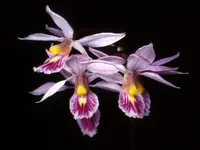
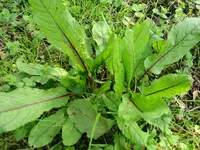
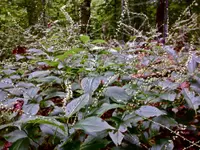
orange-tipped dandelion Care (Taraxacum obliquilobum)

orange-tipped dandelion

About orange-tipped dandelion

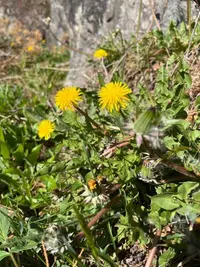
Orange-tipped dandelion (Taraxacum obliquilobum) is a small perennial herb in the dandelion group, known for its bright yellow flower heads with distinct orange-tinged tips. It forms low rosettes of deeply lobed leaves and sends up slender, hollow stems bearing single flower heads, followed by familiar fluffy seed balls.

This species occurs naturally in specific mountainous and subalpine regions, often in open, grassy habitats with good drainage. It is generally easy to grow where temperatures and soil match its native conditions, but it dislikes heavy, waterlogged ground. Light, well-drained soil and open sun help simplify how to care for orange-tipped dandelion in gardens or naturalistic plantings.

Main Plant Requirements

Care Difficulty

Easy Care

Light Preference

Full Sun

Water Requirements

Moderate Water

Temperature Preference

Cold Hardy

Hardiness Zone

5–8

Soil Texture

Sandy, Loamy, Rocky

Soil pH

Slightly acidic (6.5–7.0), Neutral (7.0)

Soil Drainage

Well-drained

Fertilization

Minimal (feed rarely)

Get Personalized Care Plan

Scan your plant to receive care tips personalized for your specific plant

Available on iOS and Android

How to Care for the orange-tipped dandelion

Taraxacum obliquilobum prefers open, bright conditions similar to other wild dandelions.

  • Provide 6–8 hours of direct sun daily; in hot summer climates, prioritize morning sun with light shade after 2–3 p.m.
  • Tolerates light partial shade, but flowering of the orange-tipped dandelion decreases and stems elongate if it receives less than 4–5 hours of sun.
  • In late fall and winter, lower sun angle is acceptable; avoid placement where buildings or shrubs cast dense, all-day shade.

Taraxacum obliquilobum prefers evenly moist but not saturated soil, especially during active growth.

  • Water when the top 3–5 cm of soil feels dry, using a deep soak that moistens the root zone rather than frequent light splashes.
  • Choose well-drained, gritty or loamy soil so excess water can move away; standing water or heavy clay promotes root rot and leaf yellowing.
  • In cool seasons reduce watering as growth slows; wilting and crisp leaf edges suggest underwatering, while limp, yellowing leaves with soft crowns suggest overwatering.

This species is a cool-temperate perennial that tolerates a wide range of outdoor temperatures.

  • Optimal growth occurs around 55–70°F (13–21°C), with strong leaf and flower production in mild spring and fall conditions.
  • Established plants survive short dips to about 15–20°F (-9 to -6°C); young rosettes benefit from mulch when hard frost is expected.
  • In hot summers above 85–90°F (29–32°C), growth slows and leaves may scorch, so light afternoon shade and consistent soil moisture help reduce heat stress.

Humidity is usually not a limiting factor for Taraxacum obliquilobum in typical home or outdoor conditions.

This species prefers light, well-aerated soil that stays evenly moist but never waterlogged.

  • Use a loose loam or sandy loam with 30–40% compost to support root development and flowering.
  • Ensure fast drainage by blending in coarse sand or perlite at 20–30% of the total mix volume.
  • Aim for slightly acidic to neutral pH, around 6.0–7.0, which suits Taraxacum obliquilobum nutrient uptake.
  • Avoid heavy clay, compacted ground, or peat-only mixes that hold water and restrict oxygen around the roots.

This species can be grown in containers when the pot is sized to allow its taproot to develop properly.

  • Choose a pot at least 20–25 cm deep so the central taproot can extend without curling tightly at the base.
  • Select a heavier material, such as terracotta, to reduce tipping risk when foliage and flower stalks reach full height.
  • Raise the container on feet or pot risers so drainage holes stay clear and excess water escapes rapidly after rain or watering.

This species is a low-nutrient wild plant, so orange-tipped dandelion usually needs little or no fertilization in garden soil.

  • In very poor or sandy soils, apply a thin layer of compost once in early spring to support leaf and flower production.
  • If using fertilizer, choose a balanced, low-strength NPK (such as 5-5-5) and dilute to 1/2 strength.
  • Feed only during active growth in spring–summer; do not apply fertilizer in late fall or winter.

Pruning needs for Taraxacum obliquilobum are minimal and mostly cosmetic in gardens.

  • In spring and summer, deadhead spent flower stalks with clean scissors to reduce self-seeding.
  • Remove yellowing or damaged leaves at the base to keep rosettes tidy and improve air flow.
  • Cut back crowded or misshapen clumps to guide spread and maintain a controlled outline in beds or borders.

This taprooted wild dandelion is better transplanted than repotted, as it is rarely kept long term in containers.

  • Transplant in early spring or early fall when growth is slow and temperatures are mild.
  • Move plants when growth stalls, roots show through drainage holes, or rosettes crowd each other.
  • Lift with a deep trowel, keeping as much of the taproot intact as possible to reduce stress.
  • Replant into loose, well-drained soil at the same depth, water thoroughly, then keep evenly moist until re-established.

Taraxacum obliquilobum is most commonly propagated from seed, reflecting its natural life cycle.

  • Collect ripe seed heads in late spring or early summer when fluff turns dry and silvery.
  • Sow fresh seeds on the soil surface in trays or directly outdoors; light aids germination.
  • Keep the substrate lightly moist and cool to mild, around 55–65°F, until seedlings emerge.
  • Thin or prick out seedlings once they have true leaves, handling gently to avoid damaging young taproots.

This hardy dandelion typically survives normal temperate winters without special attention in the ground.

  • Plants tolerate freezing and light snow once established in well-drained soil.
  • In colder regions, a 2–3 cm mulch layer over the root zone helps buffer freeze–thaw cycles.
  • Container-grown plants benefit from moving to a sheltered, unheated but frost-sheltered spot to protect the root system.

Care Tips

Timed deadheading

Remove spent flower heads as soon as petals fade to reduce self-seeding and direct the plant’s energy into root and rosette vigor rather than seed production.

Seed collection control

If seed is desired, bag a few selected flower heads with fine mesh just before they become fluffy to capture viable seed while preventing unwanted spread in surrounding beds.

Targeted clump division

Every 2–3 years lift and divide older clumps in early spring, replanting only the healthiest sections to maintain strong growth and reduce competition from crowded roots.

Soil disturbance management

Plan cultivation and weeding so that the soil around established plants is disturbed as little as possible, since broken taproot fragments can resprout and create unwanted satellites.

Phenology-based scheduling

Use local climate cues such as last frost date and soil warmth rather than calendar dates to time sowing, transplanting, and any thinning when growing orange-tipped dandelion in open ground.

Common Pests and Diseases

Taraxacum rust

This disease is caused by rust fungi that form orange to brown pustules on leaves and sometimes flower stalks. Symptoms include reduced vigor and premature leaf death in dense or humid stands.

Solution

Remove and destroy heavily infected leaves to reduce spore load, avoid overhead watering to keep foliage dry, and improve spacing and airflow around plants. In repeatedly affected outdoor areas, rotating with non-host plants and removing nearby wild dandelion relatives helps lower infection pressure.

Powdery mildew

This disease produces white, powdery fungal growth on leaf surfaces, especially in crowded plantings with poor air movement. Symptoms include leaf distortion, yellowing, and reduced flowering over time.

Solution

Increase airflow by thinning plants and avoiding overcrowding, and water at soil level rather than on foliage. Remove and discard the most affected leaves, and in persistent cases use a labeled sulfur or potassium bicarbonate spray applied in cool, dry conditions according to instructions.

Aphids

These insects cluster on young leaves, stems, and flower stalks, sucking sap and excreting sticky honeydew that can attract sooty mold. This pest causes curling, distortion, and general weakening of plants, especially new rosettes.

Solution

Dislodge aphids with a strong stream of water and pinch off heavily infested flower stalks. Encourage natural predators like lady beetles, and if needed apply insecticidal soap or a light horticultural oil, coating the undersides of leaves and repeating as new aphids appear.

Leaf miners

This pest consists of fly larvae that tunnel between leaf surfaces, creating pale, winding trails and blotches that reduce photosynthetic area. Symptoms include thin, serpentine mines and occasional browning or collapse of affected tissue.

Solution

Hand-remove and destroy mined leaves as soon as trails are noticed to break the larval cycle. For recurring issues in outdoor beds, use fine insect netting over young plants and focus on removing nearby wild host plants from the same genus to reduce local populations.

Downy mildew

This disease is favored by cool, moist conditions and causes yellow mottling on the upper leaf surface with grayish to purple downy growth underneath. Symptoms include stunted growth and early leaf drop in dense or poorly ventilated plantings.

Solution

Improve drainage and airflow, avoid evening overhead irrigation, and promptly remove and discard symptomatic foliage. In locations with repeated outbreaks, increase plant spacing and consider selecting better-drained, sunnier sites for growing orange-tipped dandelion to reduce humidity around the leaves.

Interesting Facts

Alpine steppe specialist

This species is native to high-altitude steppe and rocky slopes in parts of Central Asia, where it endures strong winds, intense sun, and poor, shallow soils that many other broadleaf herbs cannot tolerate.

Distinctive orange ray florets

Unlike the familiar yellow-flowered dandelions, it produces striking orange to orange-yellow outer florets, which give its flower heads a warmer, more vivid hue that is recognizable in the field.

Oblique leaf lobes

The species name obliquilobum refers to its uneven, obliquely cut leaf lobes, a leaf shape that helps distinguish it from closely related yellow-flowering Taraxacum species in its native range.

FAQs about orange-tipped dandelion

This species spreads mainly by seed and short roots, forming small clumps rather than large colonies. It can self-seed near the mother plant, but in most gardens it is not considered strongly aggressive.

Grow Healthy Plants with Botan Care

Keep your plants happy and healthy with plant identification, disease detection, and easy care guidance.

Botan plant care app — identify plants on mobile

Explore More Plants