Shape With Pinching
Pinch out just the soft shoot tips every 3–4 weeks in spring and early summer to keep plants compact, encourage dense branching, and produce more fragrant foliage for cutting.

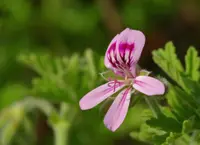
Scented geraniums, including Pelargonium graveolens, are tender perennials grown mainly for their aromatic foliage rather than their flowers. Leaves release rose, citrus, mint, or spicy scents when gently touched.
Plants usually form compact, branching mounds with lobed or finely cut leaves, making them suitable for containers, sunny windowsills, and outdoor pots in warm seasons. In their native range of South Africa, they grow in relatively dry, sunny habitats.
They are considered easy to grow because they tolerate some neglect, adapt to indoor and outdoor conditions, and cope with a range of household humidity levels. To care for Scented geraniums, provide bright light, moderate but not constant moisture, and a well-draining soil mix.

Care Difficulty
Easy Care

Light Preference
Full Sun

Water Requirements
Moderate Water

Temperature Preference
Tropical / Frost Sensitive

Hardiness Zone
10–11

Soil Texture
Sandy, Loamy, Organic-rich

Soil pH
Slightly acidic (6.5–7.0), Neutral (7.0)

Soil Drainage
Well-drained

Fertilization
Light (every 4–6 weeks)
Scan your plant to receive care tips personalized for your specific plant
Available on iOS and Android
This plant prefers bright, direct light but benefits from some protection in intense midday sun.
This plant prefers thorough watering followed by a clear drying phase around the roots.
This plant grows best in mild, frost-free conditions with moderate summer heat.
This species prefers relatively dry air and does not require elevated humidity.
Pelargonium graveolens grows best in a light, sharply draining mix that dries quickly between waterings.
This species is well suited to container growing on patios, balconies, and sunny windowsills.
Pelargonium graveolens responds well to modest, consistent feeding during active growth.
Thoughtful pruning keeps Pelargonium graveolens compact, leafy, and productive.
This species adapts well to containers but benefits from occasional repotting or transplanting.
New Pelargonium graveolens plants are most commonly produced from stem cuttings.
Pelargonium graveolens is frost-sensitive and needs protection in cold climates.

Plant Health Check
Not sure what's wrong with your plant? Check your plant's health inside the app.
The leaves release a pronounced rose-like aroma when gently rubbed because specialized oil glands in the leaf surface produce volatile fragrant compounds such as citronellol and geraniol.
Although often treated as a species, it is widely considered a complex hybrid derived from several South African Pelargonium species that were selected and stabilized in cultivation for their strong rose scent.
This plant is a major commercial source of so-called geranium oil, which is steam-distilled from its leaves and used in perfumery, cosmetic formulations, and as a component in some insect-repellent products.

Historical records from the 17th and 18th centuries show that European gardeners rapidly spread rose-scented Pelargonium, including forms now grouped under Pelargonium graveolens, from South African collections into conservatories, where selective breeding for stronger fragrance and leaf shape diversity produced many of the scented geranium cultivars grown today.
Leggy, sparse growth usually comes from too little light and infrequent pruning. Pinch or cut back stems by 1/3 to just above leaf nodes to stimulate branching, and rotate containers so all sides receive light.
Keep your plants happy and healthy with plant identification, disease detection, and easy care guidance.