Candle pinching
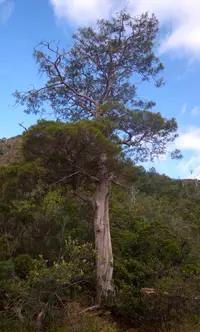
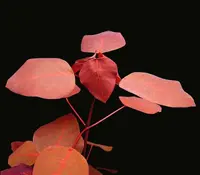
In late spring, pinch back new candles by 30–50% with fingers rather than cutting with tools to maintain a compact shape and encourage dense budding along the branch.

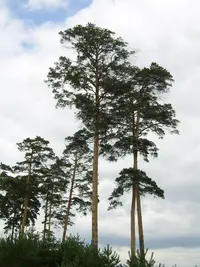
Japanese red pine, Pinus densiflora, is an evergreen conifer known for its reddish bark, open branching, and soft, slender needles in pairs. It forms a graceful, irregular crown rather than a dense, formal shape.
This species occurs naturally in Japan, Korea, and parts of northeastern Asia, where it grows on hillsides, coastal areas, and poor, sandy soils. It is often used in gardens, bonsai, and landscape plantings.
The tree is generally hardy and wind tolerant but needs good drainage and dislikes waterlogged conditions. Once established, it copes well with cold and moderate drought, so learning how to care for Japanese Red Pine mainly involves site selection and pruning.
It prefers full sun, slightly acidic soil, and steady but not excessive moisture during its early years.

Care Difficulty
Moderate Care

Light Preference
Full Sun

Water Requirements
Low Water

Temperature Preference
Cold Hardy

Hardiness Zone
3–7

Soil Texture
Sandy, Loamy, Rocky

Soil pH
Strongly acidic (4.5–5.5), Acidic (5.5–6.5)

Soil Drainage
Well-drained

Fertilization
Minimal (feed rarely)
Scan your plant to receive care tips personalized for your specific plant
Available on iOS and Android
This pine thrives in open, bright sites with strong, direct sun.
This species prefers evenly moist but fast-draining soil and is sensitive to standing water.
This hardy pine tolerates a wide temperature range but responds best to cool to moderate conditions.
This pine tolerates a wide humidity range and usually does not require special humidity management in cultivation.
Pinus densiflora prefers sharply drained, sandy to sandy-loam soil with good aeration and low to moderate fertility.
This species can be grown in containers for bonsai or patio use if managed carefully for stability and drainage.
Pinus densiflora benefits from light, targeted feeding but grows acceptably in lean soil once established.
Pruning Pinus densiflora focuses on maintaining structure, health, and desired form rather than heavy size reduction.
Pinus densiflora is usually grown in the ground, so attention centers on correct transplanting and occasional container work.
Propagation of Pinus densiflora is usually done by seed and is slow, requiring patience and controlled conditions.
Pinus densiflora is cold hardy in much of its range and usually needs minimal winter care once established outdoors.

Plant Health Check
Not sure what's wrong with your plant? Check your plant's health inside the app.
This species often dominates sandy coastal hills in Japan and Korea, stabilizing loose soils with its extensive root system and tolerating wind, salt spray, and nutrient-poor substrates better than many other conifers.
It is one of the most traditional species used in Japanese bonsai, valued for its naturally flaky red-brown bark, fine needles, and strong response to careful pruning and wiring that allows creation of long-lived miniature trees.
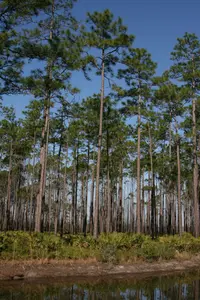
In eastern Asia it frequently forms mixed stands with Japanese black pine and other conifers, creating structurally complex forests that support diverse understory plants, insects, and birds adapted to its light, open canopy.

In Japan, long-lived individuals of this species are often featured in historic temple and shrine gardens, where some carefully tended trees are believed to be several centuries old and are preserved as part of the country’s cultural landscape.
Growth is moderate. Young trees typically add about 20–35 cm in height per year under good conditions, slowing as they mature. Container or bonsai specimens grow more slowly due to restricted root space and pruning.
Keep your plants happy and healthy with plant identification, disease detection, and easy care guidance.