Shape Young Framework
During the first 3–4 years, select 3–5 well-spaced main branches and remove steep, crossing, or duplicated shoots in late winter to build a strong, open canopy that resists storm damage and improves fruit quality.

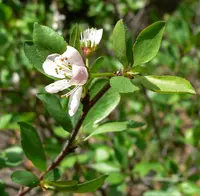
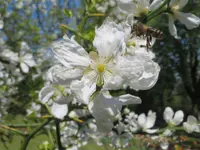
Klamath plum (Prunus subcordata) is a small deciduous tree or large shrub native to northern California and southern Oregon. It typically forms thickets with multiple stems and a rounded crown. In spring it produces white to pale pink blossoms, followed by small, tart, reddish-purple plums that attract wildlife. Leaves are simple, ovate, and turn modest colors in autumn. This species tolerates poor, rocky soils and seasonal drought once established, which makes it relatively low-maintenance in suitable climates. It prefers full sun to light shade and moderately well-drained soil. Gardeners who care for Klamath plum usually value it for habitat planting, naturalized hedges, and restoration projects.

Care Difficulty
Moderate Care

Light Preference
Full Sun

Water Requirements
Moderate Water

Temperature Preference
Cold Hardy

Hardiness Zone
6–9

Soil Texture
Sandy, Loamy, Rocky

Soil pH
Acidic (5.5–6.5), Slightly acidic (6.5–7.0)

Soil Drainage
Well-drained

Fertilization
Minimal (feed rarely)
Scan your plant to receive care tips personalized for your specific plant
Available on iOS and Android
This western native plum prefers full sun but tolerates some light shade, especially in hotter regions.
This species is drought tolerant once established but needs thoughtful watering during its early years.
This hardy shrub or small tree handles cool winters and warm summers typical of many western North American climates.
Prunus subcordata handles 30–60% humidity and usually needs no special adjustment outdoors.
Prunus subcordata grows best in well-drained, moderately fertile mineral soil.
This species can be grown in containers for several years, but it remains easier in the ground long term.
This native plum usually grows well in average soil, so fertilizer for Klamath plum is light and targeted rather than routine.
Prunus subcordata benefits from modest structural pruning to maintain a healthy, open canopy and good flowering.
This species is usually grown in the ground, so transplanting young trees at the right time is more important than frequent repotting.
This plum is most often propagated from seed or root suckers, with some success from hardwood cuttings under controlled conditions.
This cold-hardy species tolerates typical winter conditions in much of its range and usually needs minimal special care once established.

Plant Health Check
Not sure what's wrong with your plant? Check your plant's health inside the app.
This shrub is naturally restricted to parts of northern California and southwestern Oregon, where it grows in dry woodlands, chaparral, and rocky slopes, often on nutrient-poor, well-drained soils.
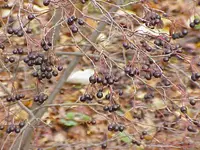
Its fruits are much smaller than commercial plums, typically only about 1–2 cm across, but they are relished by wildlife such as birds, bears, and small mammals that help disperse the seeds.
After disturbance such as fire or cutting, it commonly regenerates from its root crown or underground stems, allowing established plants to persist in fire-prone ecosystems.

Genetic studies indicate that this species has contributed to the ancestry of some domesticated plum varieties in western North America, making it an important wild relative in the broader Prunus breeding pool.
The fruits are edible when fully ripe, though usually small, tart, and best for jams, jellies, or sauces rather than fresh eating. Always identify the plant correctly and avoid fruit from areas exposed to roadside pollution or pesticides.
Keep your plants happy and healthy with plant identification, disease detection, and easy care guidance.