Root-zone gravel
Spread a 3–5 cm layer of coarse gravel or small stones on the soil surface to keep pads off wet substrate, reduce rot risk, and stabilize the plant in windy or high-traffic spots.

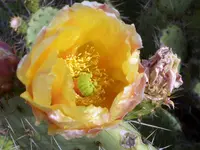
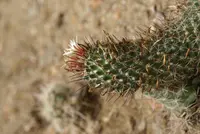
Golden pricklypear (Opuntia aurea) is a low-growing desert cactus known for its rounded pads, golden spines, and showy yellow to orange spring flowers. It often forms broad clumps that slowly spread, creating a dense, sculptural mat close to the ground.
This species is native to the arid regions of the southwestern United States, where it thrives in rocky, well-drained soils and full sun. Its drought tolerance and slow, steady growth make it relatively easy to maintain once established.
Understanding how to care for golden pricklypear mainly involves providing strong light, very sharp drainage, and avoiding excess moisture, especially around the roots.

Care Difficulty
Easy Care

Light Preference
Full Sun

Water Requirements
Low Water

Temperature Preference
Cold Hardy

Hardiness Zone
4–9

Soil Texture
Sandy, Loamy, Rocky

Soil pH
Slightly acidic (6.5–7.0), Slightly alkaline (7.0–7.5)

Soil Drainage
Well-drained

Fertilization
Minimal (feed rarely)
Scan your plant to receive care tips personalized for your specific plant
Available on iOS and Android
This desert cactus needs strong, direct sun to develop compact pads and healthy color.
This species stores water in its pads and prefers infrequent, deep watering in fast-draining soil.
This cactus is more cold-hardy than many desert species but still responds best to warm, dry conditions.
This cactus handles dry household air well and rarely needs targeted humidity care.
Opuntia aurea prefers very fast-draining, mineral-rich soil that dries quickly between waterings.
This species is suitable for container growing when stability and drainage are carefully managed.
This drought-adapted cactus needs only light feeding to support container growth and flowering.
Pruning Opuntia aurea is mainly used to manage size, remove damage, and maintain safe, tidy pads.
Transplanting or repotting is infrequent, as this cactus prefers to stay slightly root-bound and undisturbed.
This species is most commonly propagated from pad cuttings, with seeds used mainly for larger scale or breeding work.
This cactus is relatively cold hardy but still benefits from thoughtful winter management, especially in wet or very cold climates.

Plant Health Check
Not sure what's wrong with your plant? Check your plant's health inside the app.
Many wild populations are almost spineless or have only sparse small spines, which is unusual among North American pricklypears and gives the pads a smoother, glaucous blue‑green surface.
Genetic studies indicate that this species forms part of a hybrid complex involving Opuntia erinacea and related taxa, which helps explain its variable pad shape, color, and armament in different populations.
Native to the Colorado Plateau of Utah and Arizona, this cactus tolerates substantial winter cold and episodic snow cover, unlike many low‑desert Opuntia species that demand warmer conditions.

Some native populations develop striking yellow to orange pads and fruits that inspired the common name golden pricklypear, and this naturally occurring color variation has made it a sought‑after form in specialized Opuntia aurea plant care and breeding collections.
Lack of flowers usually relates to insufficient light, too much water, or a nitrogen‑heavy fertilizer. This species needs strong sun, a dry winter rest, and lean, gritty soil to set buds reliably in spring or summer.
Keep your plants happy and healthy with plant identification, disease detection, and easy care guidance.