Giant Hyssop Care (Agastache 'Purple Haze')

Also known as: Anise Hyssop
Giant Hyssop

About Giant Hyssop

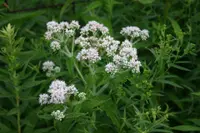
Giant hyssop Agastache 'Purple Haze' is a compact, upright perennial in the mint family, valued for its long, hazy spikes of soft purple flowers. It forms clumps of aromatic, toothed leaves that attract bees, butterflies, and hummingbirds in sunny borders and pollinator gardens.

This cultivar is derived from North American prairie and meadow species, so it tends to be durable in ordinary garden conditions. It generally prefers full sun, good air flow, and well-drained soil, which helps prevent root problems.

Once established, it tolerates short dry periods and usually needs only light shaping, which makes it suitable for gardeners who want to care for Giant Hyssop with minimal effort.

Main Plant Requirements

Care Difficulty

Easy Care

Light Preference

Full Sun

Water Requirements

Low Water

Temperature Preference

Cold Hardy

Hardiness Zone

5–9

Soil Texture

Sandy, Loamy, Rocky

Soil pH

Slightly acidic (6.5–7.0), Neutral (7.0)

Soil Drainage

Well-drained

Fertilization

Minimal (feed rarely)

Get Personalized Care Plan

Scan your plant to receive care tips personalized for your specific plant

Available on iOS and Android

How to Care for the Giant Hyssop

Agastache 'Purple Haze' flowers and foliage perform best with abundant direct sun in most climates.

  • Provide 6–8 hours of direct sun daily; full sun is ideal for strong stems and dense flower spikes.
  • In hotter regions, give Giant Hyssop morning sun with light afternoon shade to reduce leaf scorch and premature flowering stress.
  • Plants tolerate light partial shade (3–4 hours sun), but expect fewer blooms, taller, looser growth, and higher risk of mildew in damp seasons.

Agastache 'Purple Haze' prefers evenly dry to slightly moist soil and is more tolerant of drought than excess water.

  • Before watering, let the top 3–5 cm of soil dry; in established garden plants, this often means waiting until foliage just begins to lose some perkiness.
  • Use sharply drained, sandy or gravelly soil so water runs through quickly, preventing root rot and crown collapse after heavy rain.
  • In the first growing season, watch for dull, limp leaves as a sign of underwatering; yellowing lower leaves and a sour soil smell suggest overwatering.

This perennial thrives in warm conditions but tolerates a wide outdoor temperature range when established.

  • Optimal growth occurs around 65–85°F (18–29°C), supporting steady shoot growth and abundant flowering.
  • Mature plants are generally hardy to about -10°F to -20°F (-23 to -29°C) in well-drained soil, though young plants benefit from winter mulch in colder zones.
  • In summer heat above 95°F (35°C), flowering can slow; provide mulch and avoid water stress to limit scorch and maintain floral displays.

This drought-tolerant perennial handles a wide humidity range and rarely needs special humidity management.

  • Performs well in 30–50% humidity, similar to typical outdoor air in many regions.
  • Tolerates dry air without stress as long as soil is not kept wet, which can encourage root problems.
  • Low humidity rarely causes visible stress; wilting or crispy tips usually indicate underwatering or excess sun rather than humidity issues.

This plant prefers lean, well-drained, slightly alkaline soil and is prone to problems in heavy, wet substrates.

  • Use a sandy or sandy-loam mix, for example 50–60% bagged potting soil blended with 40–50% coarse sand or perlite for sharp drainage.
  • Aim for pH around 6.5–7.5; avoid very acidic mixes dominated by peat unless balanced with lime or garden soil.
  • Keep organic matter moderate; a small amount of compost improves structure, but highly rich mixes promote weak, floppy growth and reduce drought tolerance.
  • For Agastache 'Purple Haze' in containers, ensure the mix stays airy; large perlite or grit pieces help maintain pore spaces and prevent compaction.

This species is well suited to container growing in sunny outdoor spots.

  • Choose a pot at least 25–30 cm deep so the long taproot can develop without coiling tightly.
  • Select a heavy terracotta or ceramic container to reduce tipping in windy conditions and to let excess moisture evaporate faster.
  • Raise the pot on feet or bricks so drainage holes stay clear and runoff moves away quickly after heavy rain or watering.

Agastache 'Purple Haze' needs only light feeding, as excessive nutrients reduce flowering and aromatic oils in this Giant Hyssop.

  • Use a balanced, slow-release fertilizer (around 10-10-10) or a thin layer of compost in early spring.
  • Feed once at the start of the growing season; a second light application in midsummer is enough in poor soil.
  • Dilute liquid fertilizer to 1/2 strength if used, applying to moist soil to avoid root burn.
  • Stop feeding in late summer so new growth can harden before winter dormancy.

Pruning Agastache 'Purple Haze' maintains a compact shape and supports strong flowering.

  • In late winter or very early spring, cut back old stems to 10–15 cm above ground with clean, sharp pruners.
  • Remove dead, damaged, or crossing stems during the season to improve airflow and reduce disease risk.
  • Shear off spent flower spikes in summer to encourage a second flush of blooms and a tidier appearance.
  • Avoid cutting into the woody base; always leave some healthy shoots to resprout.

Agastache 'Purple Haze' is usually grown in garden beds, with transplanting more common than container repotting.

  • Transplant in spring or early fall so roots establish before heat or hard frost.
  • Move plants when growth slows, clumps become crowded, or roots circle the pot in container-grown specimens.
  • Lift with a generous soil root ball, handle roots gently, and replant at the same depth in well-drained soil.
  • Water thoroughly after transplanting, then keep soil lightly moist for 1–2 weeks to limit transplant shock.

Agastache 'Purple Haze' is commonly propagated by division, seed, or softwood cuttings.

  • Divide established clumps in early spring, replanting vigorous sections with several shoots and healthy roots.
  • Sow fresh seed in late winter or early spring in a free-draining mix, keeping temperatures around 65–70°F and soil just moist.
  • Take 7–10 cm softwood cuttings in late spring, remove lower leaves, and root in a moist, well-aerated medium.
  • Provide bright, indirect light and high humidity around cuttings until new root growth is visible.

Agastache 'Purple Haze' is moderately cold hardy and usually needs only modest winter care in most temperate gardens.

  • In late fall, leave most stems standing for crown protection, cutting back only very floppy or diseased growth.
  • Apply a 5–7 cm mulch layer around the root zone in cold climates, keeping mulch slightly away from the stems.
  • For container plants in zones colder than the plant’s rating, move pots to a sheltered, frost-free but cool location.

Care Tips

Encourage Bushy Growth

Pinch out the top 2–3 cm of young stems once or twice in spring to encourage branching and a denser flowering habit rather than tall, floppy spikes.

Timed Deadheading

Shear back spent flower spikes by about one-third as a single light trim after the first main flush to promote a tidy mound and stimulate a strong late-season rebloom.

Improve Summer Airflow

Space plants so foliage just barely touches at maturity and avoid solid barriers immediately upwind, which reduces powdery mildew risk and helps flowers dry quickly after rain.

Targeted Winter Prep

In cold climates, leave the woody stems standing over winter for crown protection, then cut them back to 5–8 cm in early spring before new shoots extend, rather than pruning hard in fall.

Minimal, Gentle Division

Only divide congested clumps every 4–5 years in early spring, replanting divisions promptly at the same depth and watering once to settle soil, which supports long-term vigor when growing Giant Hyssop.

Common Pests and Diseases

Powdery mildew

This disease appears as white or gray powdery patches on leaves and stems, often during warm days and cool, humid nights. Symptoms include distorted new growth and gradual decline in vigor.

Solution

Improve air circulation by thinning crowded stems and avoid overhead watering, especially in the evening. Remove and discard heavily affected foliage, then apply a sulfur or potassium bicarbonate fungicide labeled for ornamental perennials if conditions stay favorable for infection.

Rust

This disease causes small orange, brown, or yellow pustules on the undersides of leaves, with yellowing or spotting visible from above. Symptoms include premature leaf drop on stressed or overcrowded plants.

Solution

Promptly remove and destroy affected leaves and any fallen debris to reduce spore spread. Increase spacing and airflow, water at soil level, and if needed use a labeled fungicide containing chlorothalonil or myclobutanil during prolonged wet or humid periods.

Spider mites

These pests cause fine stippling on leaves, a dull gray or bronzed appearance, and fine webbing between stems and foliage, especially in hot and dry conditions. This pest can cause leaf drop and overall decline if populations build up.

Solution

Rinse plants thoroughly with a strong but controlled stream of water, focusing on the undersides of leaves, and repeat every few days. For persistent infestations, apply insecticidal soap or horticultural oil, making sure to cover all leaf surfaces and improving humidity slightly around the plants without waterlogging the soil.

Leafhoppers

These insects suck sap from leaves, causing pale speckling, leaf curling, and sometimes brown leaf tips, and they may spread foliar diseases. This pest is often more noticeable when plants are grown in hot, dry, exposed sites.

Solution

Remove surrounding weeds that shelter leafhoppers and use a strong spray of water to dislodge nymphs from foliage. If damage continues, apply insecticidal soap or a neem-based product in the early morning, ensuring good coverage of both leaf surfaces while monitoring for beneficial insects.

Aphids

These insects cluster on soft new growth and flower spikes, excreting sticky honeydew that can attract sooty mold. This pest can stunt shoots and reduce flowering when populations are high.

Solution

Pinch or wash off heavily infested shoot tips and spray plants with a firm stream of water every few days to reduce numbers. If needed, treat with insecticidal soap or horticultural oil, targeting young colonies on tender stems and undersides of leaves while encouraging natural predators such as lady beetles for long-term growing Giant Hyssop success.

Interesting Facts

Hybrid hummingbird magnet

This hybrid ornamental agastache is especially noted by trial gardens for attracting large numbers of hummingbirds to midsummer–autumn flower spikes in regions where hummingbirds occur.

Dense, hazy flower spikes

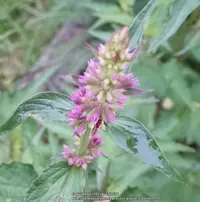
The cultivar name Purple Haze comes from its unusually long, arching spikes packed with closely spaced purple florets that create a hazy, cloudlike effect above the foliage in mass plantings.

Aromatic anise foliage

Its leaves release a noticeable anise or licorice scent when brushed or crushed, a trait selected from its parent species to enhance sensory interest in herb and pollinator gardens.

Botan icon

Did you know?

Purple Haze was selected and introduced specifically for ornamental landscape use, and unlike many traditional agastache selections it has been widely evaluated in formal trial gardens for its long, showy bloom season combined with strong performance in hot, dry summer conditions.

FAQs about Giant Hyssop

This plant is highly attractive to bees, butterflies, and other pollinators due to its nectar-rich tubular flowers and long bloom period. Planting several together creates a strong foraging patch that supports local pollinator populations all season.

Grow Healthy Plants with Botan Care

Keep your plants happy and healthy with plant identification, disease detection, and easy care guidance.

Botan plant care app — identify plants on mobile

Explore More Plants