shepherd's purse Care (Capsella bursa-pastoris)

Also known as: Common Shepherd's-purse, Case Weed, Pepper Plant, Shepher's Tree
shepherd's purse

About shepherd's purse

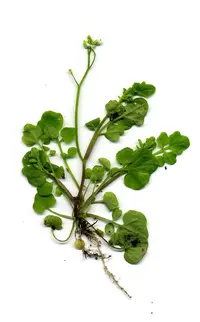
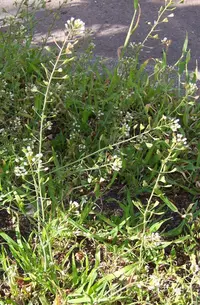
Shepherd's purse, Capsella bursa-pastoris, is a small annual herb in the cabbage family, often seen in lawns, paths, and disturbed soil. It has a basal rosette of simple leaves and slender stems topped with tiny white flowers and the characteristic heart-shaped seed pods. The plant is native to Eurasia but is now naturalized across much of the world, especially in temperate regions. It grows quickly, self-seeds freely, and tolerates poor soils, which makes it easy to establish but sometimes weedy. Those who want to care for shepherd's purse should note that it prefers open, sunny spots with moderately moist, well-drained soil.

Main Plant Requirements

Care Difficulty

Easy Care

Light Preference

Full Sun

Water Requirements

Moderate Water

Temperature Preference

Cold Hardy

Hardiness Zone

3–9

Soil Texture

Sandy, Loamy, Clay

Soil pH

Acidic (5.5–6.5), Slightly acidic (6.5–7.0)

Soil Drainage

Well-drained

Fertilization

Minimal (feed rarely)

Get Personalized Care Plan

Scan your plant to receive care tips personalized for your specific plant

Available on iOS and Android

How to Care for the shepherd's purse

This adaptable annual prefers cool, bright conditions with moderate sun exposure.

  • Provide 4–6 hours of direct sun daily, ideally gentle morning sun with light shade or filtered light in the afternoon to reduce heat stress.
  • Plant in open sites or at the edges of beds where shepherd's purse receives unobstructed light but can benefit from nearby taller plants casting partial shade.
  • In hot summers, monitor for leaf scorch or wilting; slight afternoon shade helps, while very dense shade reduces flowering and seed production.

This species prefers moist, well-drained soil and does not tolerate prolonged waterlogging.

  • Allow the top 2–3 cm of soil to dry before watering in garden beds; soil should feel slightly damp below the surface, not saturated.
  • Use soil texture as a guide for Capsella bursa-pastoris: loamy or sandy soil with good drainage limits root rot risk, while heavy clay benefits from added organic matter.
  • In cooler seasons, reduce watering as growth slows; signs of underwatering include limp, dull foliage, while yellowing lower leaves and soft stems often indicate overwatering.

This cool-season annual grows best in mild conditions and tolerates significant cold.

  • Optimal growth occurs around 50–70°F (10–21°C), typical of early spring and fall in many temperate regions.
  • Mature plants tolerate light freezes down to about 20–25°F (-6 to -4°C), though tender seedlings are more easily damaged by hard frosts.
  • In hot weather above 80–85°F (27–29°C), growth slows and plants bolt quickly, so earlier sowing or partial shade helps extend the productive season.

This species tolerates a wide humidity range and rarely needs special humidity management.

Capsella bursa-pastoris grows best in light, well-drained mineral soils with moderate organic content.

  • Use a loose mix such as 50–60% garden loam, 20–30% coarse sand, and 10–20% compost for structure and nutrients.
  • Ensure fast drainage; avoid compacted, heavy clay that stays wet for more than 24 hours after rain or watering.
  • Target a slightly acidic to neutral pH of 6.0–7.5, adding garden lime only if a soil test shows strong acidity.
  • Improve aeration by incorporating coarse sand or fine grit through the top 10–15 cm where roots concentrate.

This species is suitable for shallow containers, especially for short-term or seasonal cultivation.

  • Choose a wide, shallow pot (15–20 cm deep) to match its relatively fine, spreading root system without wasting substrate volume.
  • Use a pot with several small drainage holes to prevent substrate loss while still allowing rapid outflow after heavy watering.
  • Prefer unglazed terracotta if rainfall is frequent, as its porous walls help dry the mix faster and limit root issues from constant moisture.

This wild annual or short-lived perennial usually thrives in average soil and needs little added nutrition.

Pruning Capsella bursa-pastoris is minimal and mainly done to manage spread or collect seed.

  • Cut back flowering stems before seed set in late spring or summer to limit self-seeding and maintain a tidy patch.
  • Remove any dead, damaged, or diseased foliage with clean scissors or hand pruners to reduce pest and disease pressure.
  • Shear or pull spent plants at season’s end to prevent unwanted seedlings and encourage a fresh flush where conditions allow.

This species is usually grown in the ground, so care focuses on light transplanting rather than routine repotting.

  • Transplant seedlings in early spring or early fall when soil is moist and temperatures are mild to reduce stress.
  • Move plants when small; older specimens with long taproots respond poorly and may wilt or fail after disturbance.
  • Lift with a hand trowel, keeping as much soil around the roots as possible, and replant at the same depth.
  • Water thoroughly after transplanting and shade lightly for a few days in hot weather to support recovery.

Propagation of Capsella bursa-pastoris is most commonly carried out by seed, which germinates readily in suitable conditions.

  • Sow fresh seed in early spring or fall outdoors on loosened soil; this species usually needs light to germinate, so cover very lightly or not at all.
  • Keep the soil consistently moist but not waterlogged until seedlings emerge, then thin crowded plants to allow airflow.
  • For controlled sowing, use trays with a well-drained seed mix at 60–70°F and provide bright light to prevent leggy growth.
  • Allow selected plants to flower and set seed if growing shepherd's purse for seed collection, then harvest dry seed heads for future sowing.

This hardy annual or short-lived perennial generally overwinters without special care in temperate climates.

  • Mature plants and overwintering rosettes tolerate typical light frosts once established in well-drained soil.
  • In very cold or exposed sites, a thin layer of loose mulch can reduce heaving of young plants during freeze–thaw cycles.
  • Container-grown plants in small pots benefit from placing the container against a sheltered wall or lightly mulching the pot.

Care Tips

Timed succession sowing

Stagger sowing every 2–3 weeks in spring and fall so that as older plants bolt and set seed, younger rosettes are ready to take over and extend the usable harvest window.

Controlled self‑seeding

Allow only selected, healthy plants to set seed and gently shake their dry seed stalks over the desired bed, then promptly remove unwanted seedlings to keep populations dense but manageable when growing shepherd's purse.

Shallow cultivation only

Use a hand hoe or narrow cultivator to disturb just the top 1–2 cm of soil around plants, which suppresses competing weeds without damaging the shallow fibrous roots that support fast regrowth.

Harvest to manage size

Cut outer leaves or whole rosettes just above the crown before plants elongate flower stalks, which maintains tender growth and delays premature bolting.

Spot monitoring for pests

Inspect the undersides of leaves and young flower stems weekly and remove aphids or flea beetles with a firm water spray or by pinching affected tissue, reducing the need for broad pesticide use when caring for shepherd's purse.

Everything About shepherd's purse

Common Pests and Diseases

Downy mildew

This disease causes pale yellow to light brown angular spots on leaves, often with a grayish to white downy growth on the undersides in cool, humid weather.

Solution

Remove and discard infected leaves, avoid overhead watering, and improve spacing and airflow around plants. In garden settings, rotate with non-brassica crops and, if disease pressure is high, use a copper-based fungicide labeled for edible or leafy crops, following instructions carefully.

White rust

This disease produces white blister-like pustules on the undersides of leaves, often causing distorted, thickened, or yellowed foliage.

Solution

Promptly remove and destroy symptomatic leaves to reduce spore spread and avoid working with plants when foliage is wet. Improve air circulation, reduce prolonged leaf wetness, and practice crop rotation with non-brassica species if growing shepherd's purse regularly in beds or rows.

Turnip mosaic virus

Symptoms include mottled, mosaic-patterned, or distorted leaves and reduced plant vigor, particularly in dense stands or near other infected brassicas.

Solution

There is no cure once plants are infected, so remove and dispose of affected plants to limit virus sources. Control aphids that spread the virus, keep the area free of infected brassica weeds, and avoid moving from infected to healthy plants without cleaning tools and hands.

Cabbage aphids

These insects appear as dense grayish-green colonies on stems, flower stalks, and the undersides of leaves, often causing curling, yellowing, and sticky honeydew deposits.

Solution

Dislodge colonies with a firm stream of water, then monitor plants closely and repeat as needed. Encourage natural predators like lady beetles, and in heavier infestations use insecticidal soap or horticultural oil, applied thoroughly to the undersides of leaves and young shoots.

Flea beetles

These pests chew many small round holes in leaves, giving a shot-hole appearance, and often jump quickly when disturbed, particularly on young seedlings and rosettes.

Solution

Use floating row covers to protect young plants during peak beetle activity and keep surrounding areas free of brassica weeds that host the insects. In home gardens, sticky traps and targeted use of neem or spinosad products on foliage can help reduce damage when used according to label directions.

Interesting Facts

Global weed success

This small annual herb now grows on every continent except Antarctica, largely because its seeds tolerate disturbance and spread easily along roadsides, fields, and urban sites.

Heart-shaped fruit pods

Its distinctive triangular, heart-shaped seed pods (silicles) are key to identifying the species and can each contain many tiny seeds that contribute to its rapid spread.

Rapid life cycle

The plant can germinate, flower, and set seed in just a few weeks under favorable conditions, allowing several generations per year in mild climates.

Botan icon

Did you know?

Archaeobotanical studies have found shepherd's purse seeds in ancient grain stores and archaeological layers, indicating that this species has accompanied human agriculture for thousands of years as a characteristic field weed.

FAQs about shepherd's purse

This species self-seeds very freely, dropping many small seeds that germinate quickly. In open soil it can form dense patches and behave as a mild weed, so deadhead spent flowers before seed set to limit spread.

Grow Healthy Plants with Botan Care

Keep your plants happy and healthy with plant identification, disease detection, and easy care guidance.

Botan plant care app — identify plants on mobile

Explore More Plants