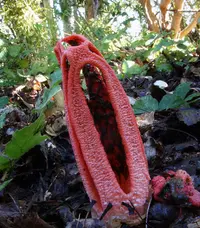
Pine Spikes Care (Chroogomphus vinicolor)

Also known as: Wine-cap Chroogomphus
Pine Spikes

About Pine Spikes

Pine spikes (Chroogomphus vinicolor) is a fleshy, mushroom-forming fungus, not a typical leafy houseplant. It usually appears near pine trees, forming a mutual partnership with their roots.

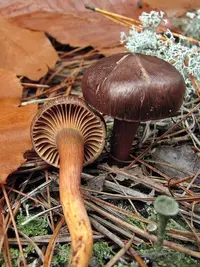
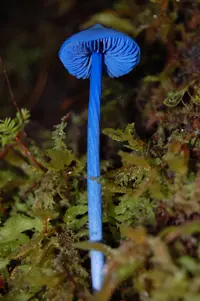
The caps are wine-colored to reddish-brown, often slimy when wet, with a tough, pale stem and firm flesh. It grows in temperate conifer forests of North America and parts of Europe.

This species depends on living pine roots, so it is challenging to cultivate indoors or in standard garden beds. Most people do not care for Pine Spikes at home and instead encounter it in managed woodlands or natural forests.


Main Plant Requirements

Care Difficulty

Moderate Care

Light Preference

Partial Shade

Water Requirements

Regular Water

Temperature Preference

Cool Climate

Hardiness Zone

Unknown

Soil Texture

Loamy, Sandy, Organic-rich

Soil pH

Acidic (5.5–6.5)

Soil Drainage

Moist but well-drained

Fertilization

Minimal (feed rarely)

Get Personalized Care Plan

Scan your plant to receive care tips personalized for your specific plant

Available on iOS and Android

How to Care for the Pine Spikes

This ectomycorrhizal fungus prefers stable woodland light that mimics its natural pine forest habitat, so direct sun exposure is limited.

  • Provide dappled or filtered light under pine or conifer canopy, with only 1–3 hours of direct morning sun and shaded conditions the rest of the day.
  • Tolerates partial shade to full shade; strong afternoon sun can overheat the soil surface and dry the upper 2–3 cm too quickly for reliable fruiting of Pine Spikes.
  • In late summer and autumn, ensure surrounding vegetation does not completely block light, as overly dense shade can reduce mushroom formation.

Chroogomphus vinicolor relies on steady, moderate soil moisture in the rooting zone of its pine host rather than frequent surface watering.

  • Maintain soil that is lightly moist but not saturated; allow the top 2–5 cm to dry slightly between natural rainfall or irrigation events.
  • Use deep, infrequent soaking around host trees during prolonged dry spells, allowing excess water to drain freely to avoid waterlogging and root stress.
  • Reduce supplemental watering in cool, wet seasons; signs of excess moisture include persistently soggy soil and a sour smell, while shrinking, brittle caps suggest drought stress.

This species fruits best in cool to mild conditions typical of late summer to autumn in conifer woodlands.

  • Optimal fruiting usually occurs around 50–65°F (10–18°C), with mycelium activity continuing more broadly from about 40–70°F (4–21°C).
  • Tolerates brief drops near 32°F (0°C), but repeated hard frosts below 28°F (-2°C) can damage emerging fruiting bodies and halt development.
  • Handles moderate warmth up to about 75°F (24°C) if soil stays moist and shaded, but extended heat above 80°F (27°C) with dry conditions sharply reduces fruiting.

Humidity management is not a major factor for outdoor cultivation of this ectomycorrhizal fungus.

This species fruits only in association with compatible conifer roots, so soil preparation focuses on supporting that forest-type habitat.

  • Use a loose, sandy to sandy-loam mineral soil with 10–30% well-decomposed organic matter to mimic conifer forest floors.
  • Ensure rapid drainage; water should infiltrate quickly and never pool, as prolonged saturation suppresses mycelium development and can favor competing fungi.
  • Maintain slightly acidic conditions around pH 5.0–6.5, typically achieved naturally under pines with accumulating acidic needle litter.
  • Encourage aeration by mixing in coarse sand, fine gravel, or pine bark chips, avoiding compacted clay or heavily amended potting mixes that stay wet.

This species is not realistically suitable for long-term container growing because it depends on forming ectomycorrhizal associations with living conifer roots in open-ground conditions.

This mycorrhizal fungus grows with pine roots and generally needs no direct fertilization when grown in natural soil conditions.

Chroogomphus vinicolor produces fruiting bodies seasonally and does not require pruning in the usual horticultural sense.

For Pine Spikes, focus on establishing a suitable pine host rather than frequent repotting or transplanting of the fungus itself.

  • Transplant during cool, moist weather to reduce stress on the host pine’s roots and fungal mycelium.
  • Move young pine seedlings with a generous soil root ball to keep the mycorrhizal network intact.
  • Avoid disturbing established root zones; repeated digging can break mycelial threads and reduce future fruiting.
  • Use well-drained, low-fertility, slightly acidic soil to mimic natural pine forest conditions.

This fungus is typically propagated by spores and by maintaining mycorrhizal association with suitable pine hosts rather than by standard plant techniques.

  • Allow mature caps to release spores naturally into surrounding pine litter during the usual fruiting season.
  • Encourage spread by leaving some fruiting bodies in place instead of harvesting all specimens.
  • Plant compatible pine seedlings into soil already containing Chroogomphus vinicolor to extend the existing mycorrhizal network.
  • Limit soil disturbance so underground mycelium remains continuous, supporting ongoing colonization and fruiting.

In most temperate pine habitats, this species is naturally cold hardy and needs no special winter care.

Care Tips

Select compatible pines

Establish the fungus only with compatible 2–5-year-old pine species (commonly Pinus contorta, P. ponderosa, or other local native pines), and avoid mixing many unrelated tree species in the same inoculation zone to reduce mycorrhizal competition.

Targeted root inoculation

When planting young pines, dust the moist root ball and immediate planting hole with spore slurry or colonized substrate, then backfill and water deeply once to pull spores into the fine feeder roots where the mycorrhiza will form.

Use low-input management

Maintain low to moderate soil fertility by avoiding high-nitrogen lawn fertilizers and frequent tilling, since lean, undisturbed, slightly acidic soil favors stable mycorrhizal partnerships and improves long-term fruiting potential.

Mimic forest litter

Apply a thin surface layer (2–4 cm) of pine needles and coarse bark around the host tree dripline, keeping it off the trunk, to help maintain the aerated, slightly acidic, fungal-friendly duff layer this species prefers.

Seasonal fruiting check

During the expected fruiting season, walk the inoculated area after autumn rains and lightly clear only loose surface debris with a hand rake, which exposes emerging caps without damaging the mycelium and helps when growing Pine Spikes for harvest.

Common Pests and Diseases

Fungus gnat larvae

This pest lives in very wet, organic-rich substrates and can feed on young mycelium and emerging fungal primordia. Symptoms include slow or uneven fruiting and visible small black gnats hovering near trays or beds.

Solution

Reduce surface moisture by allowing the upper layer of the substrate or casing to dry slightly between waterings, and use fine mesh or sticky traps to lower adult gnat numbers. For more targeted control, apply a Bacillus thuringiensis israelensis (BTI) product to the substrate following label rates, which specifically targets fly larvae without harming the mycelium when used correctly.

Mite contamination

This pest includes several small mite species that feed on mycelium, spores, and developing fruiting bodies, leading to poor or distorted mushroom development. Symptoms include tiny moving dots on substrate or caps and patchy, weakened mycelial growth.

Solution

Quarantine any affected culture, discard heavily infested blocks or beds, and thoroughly clean the growing area and tools to remove residual mites and eggs. In production-style setups, improve hygiene, reduce organic debris, and consider using predatory mites sourced from biological control suppliers under expert guidance.

Green mold (Trichoderma)

This disease is caused by opportunistic Trichoderma fungi that aggressively colonize poorly sterilized or stressed substrates, outcompeting Chroogomphus vinicolor mycelium. Symptoms include dense white mold that quickly turns bright or dull green, often with a dusty surface.

Solution

Immediately remove and discard contaminated substrate blocks or sections, taking care not to spread spores. Improve substrate preparation (correct pasteurization or sterilization), avoid over-wetting, and maintain good airflow and cleanliness in the growing area as part of basic Chroogomphus vinicolor care.

Bacterial blotch

This disease occurs under overly wet, stagnant conditions where water films remain on caps and stems, allowing bacteria to proliferate. Symptoms include greasy, water-soaked spots on fruiting bodies that may turn yellow-brown and soften.

Solution

Reduce overhead misting, avoid standing water on caps, and increase gentle air circulation to keep surfaces just slightly moist rather than wet. Remove and discard affected fruiting bodies and disinfect tools and benches with a mild, food-safe sanitizer between harvests.

Interesting Facts

Distinct wine-red hue

Mature fruiting bodies often show a deep wine to reddish-brown cap and stem, a coloration that helps distinguish this species from many similarly shaped brown or gray forest mushrooms.

Pine-associated mycorrhiza

This fungus forms an ectomycorrhizal association with pines, exchanging mineral nutrients and water for photosynthetically derived sugars from the tree roots.

Gelatinous cap cuticle

The cap surface becomes notably viscid or slimy when wet due to a gelatinized cap cuticle, a feature mycologists use as a key diagnostic trait when identifying the species in the field.

Botan icon

Did you know?

Molecular studies have shown that this species, once grouped broadly with other Chroogomphus taxa, has helped clarify evolutionary relationships within the family Gomphidiaceae, leading to taxonomic revisions and a narrower modern concept of the genus.

FAQs about Pine Spikes

This fungus is considered edible in some regions and is sometimes collected for food, but quality and flavor are modest. Only harvest from clean, correctly identified specimens, and always cook thoroughly to reduce digestive upset risk.

Grow Healthy Plants with Botan Care

Keep your plants happy and healthy with plant identification, disease detection, and easy care guidance.

Botan plant care app — identify plants on mobile

Explore More Plants