Blushing Wood Mushroom Care (Agaricus silvaticus)

Also known as: Scaly Wood Mushroom
Blushing Wood Mushroom

About Blushing Wood Mushroom

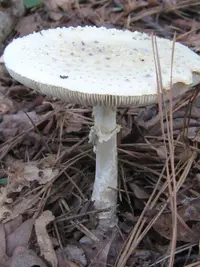
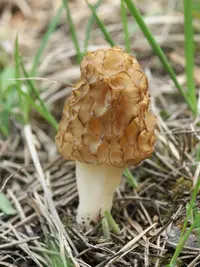
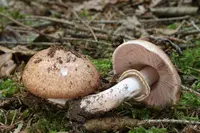
Blushing wood mushroom, Agaricus silvaticus, is a woodland fungus, not a leafy houseplant. It forms medium-sized, brownish caps with fine scales and pale gills that darken as the spores mature. The flesh often shows a reddish blush when cut or bruised, which gives the species its common name.

This mushroom grows naturally in coniferous and mixed forests across parts of Europe and North America, usually in soil rich in organic matter. It can be tricky to cultivate at home because it depends on specific forest-like conditions and stable moisture. Enthusiasts who care for Blushing Wood Mushroom typically focus on replicating cool, shaded woodland environments with loose, humus-rich substrate.

Main Plant Requirements

Care Difficulty

Hard Care

Light Preference

Shade

Water Requirements

Keep Soil Moist

Temperature Preference

Cool Climate

Hardiness Zone

Unknown

Soil Texture

Loamy, Silty, Organic-rich

Soil pH

Acidic (5.5–6.5), Slightly acidic (6.5–7.0)

Soil Drainage

Moist but well-drained

Fertilization

Minimal (feed rarely)

Get Personalized Care Plan

Scan your plant to receive care tips personalized for your specific plant

Available on iOS and Android

How to Care for the Blushing Wood Mushroom

Agaricus silvaticus prefers dappled woodland-style light rather than full, open sun.

  • Provide 2–4 hours of gentle morning sun with bright, filtered light or light shade for the rest of the day, similar to a forest edge or clearings.
  • Avoid strong midday and afternoon sun, which can overheat the substrate and dry it out; direct exposure for more than 1–2 hours in hot months can reduce fruiting.
  • In summer, increase shade using leaf litter or low vegetation; in cooler months, allow a bit more indirect light so the Blushing Wood Mushroom habitat stays moderately bright.

Agaricus silvaticus needs consistently moist but not waterlogged substrate to fruit well.

  • Aim for evenly moist soil to 5–8 cm depth; the surface may dry slightly between waterings, but the layer below should feel cool and damp to the touch.
  • Increase moisture during active fruiting or in hot, dry weather, using gentle soaking so excess water drains away; avoid standing puddles, which encourage rot and bacterial growth.
  • Reduce watering in cooler seasons when evaporation slows; signs of underwatering include shrinking, cracked caps, while persistent soggy soil or sour smell suggests overwatering.

This woodland species prefers cool to mild conditions and declines in extended heat or hard frost.

  • Optimal fruiting occurs around 55–65°F (13–18°C), with mycelium growth acceptable from about 45–70°F (7–21°C) if moisture is stable.
  • Tolerates brief drops near 32°F (0°C), but repeated or deep frosts can damage mycelium and reduce future flushes, so protect exposed beds with leaf mulch in cold spells.
  • Sustained temperatures above 75°F (24°C), especially over 80°F (27°C), can stress the colony; provide shade and thicker mulch during heat waves to keep the substrate cooler.

This species benefits from moderately moist air but is more sensitive to substrate moisture than ambient humidity.

  • Aim for 60–80% humidity around developing fruiting bodies, especially in enclosed growing spaces.
  • Tolerates brief dips to 40–50%, but very dry air can crack caps and cause smaller, tougher mushrooms.
  • Low humidity stress shows as drying edges, split caps, and stalled expansion of Blushing Wood Mushroom caps; raise humidity with fine misting, damp perlite trays, or a basic humidity tent.

Agaricus silvaticus needs a loose, organic-rich substrate with controlled moisture and strong aeration.

  • Use a deep tray or bed filled with well-rotted compost mixed with leaf litter or straw to mimic forest litter.
  • Ensure the substrate drains freely yet holds moisture; avoid compacted or waterlogged mixes that promote bacterial rot.
  • Keep pH slightly acidic to neutral, roughly 6.0–7.0, by using composted leaf mold rather than highly alkaline manures.
  • Improve aeration by gently fluffing the top layer before spawning and avoiding heavy stepping or compression on the growing bed.

This species can be grown in containers if the vessel is wide, ventilated, and holds a deep, consistent substrate layer.

  • Choose a low, wide tub or box at least 20–25 cm deep so the mycelium can spread horizontally as well as downwards.
  • Drill side holes a few centimeters above the base to release excess CO2 while keeping the substrate from drying too fast.
  • Use sturdy, opaque containers to reduce light on the substrate surface and to stabilize moisture against temperature swings.

In natural forest soils, Agaricus silvaticus usually needs little to no added fertilizer, especially when organic matter is abundant.

Pruning is not relevant for Agaricus silvaticus, as it is a mushroom-forming fungus rather than a woody or leafy plant.

Transplanting Agaricus silvaticus focuses on moving colonized substrate or spawn rather than handling a root ball like a conventional plant.

  • Transplant when spawn has fully colonized the substrate and white mycelium is dense but before mushrooms are produced.
  • Choose a cool, shaded site with moist, organic-rich soil or wood-based substrate to mimic natural forest conditions.
  • Gently move chunks of colonized material without breaking them apart to limit mycelium stress and drying.
  • Water lightly after transplanting to settle the substrate, then maintain steady, slightly moist conditions without waterlogging.

Propagation of Agaricus silvaticus relies on using spores or spawn rather than typical plant methods such as cuttings or division.

  • Use purchased or laboratory-prepared spawn for reliable results, rather than trying to collect spores at home.
  • Introduce spawn into pasteurized, nutrient-rich organic material such as composted straw, manure, or forest soil mix.
  • Maintain cool, stable temperatures and high humidity so the mycelium can spread through the substrate.
  • Keep the substrate moist but not saturated and undisturbed during colonization to support healthy mycelial growth.

Outdoors in suitable climates, Agaricus silvaticus requires minimal winter care, especially when grown in shaded, organic-rich ground beds.

  • In cold regions, a 5–10 cm layer of loose leaf mulch helps insulate the colonized soil or substrate.
  • For container setups, move trays or bags to a cool, frost-free shed or garage once hard frosts begin.
  • Avoid waterlogged conditions in winter, as saturated, cold substrates can damage or kill the mycelium.
  • Plan new spawn runs in late winter or early spring, aligning with natural cycles for growing Blushing Wood Mushroom.

Care Tips

Use Clean Substrate

Sterilize or pasteurize sawdust, straw, or wood-rich compost before inoculation to reduce competing fungi and bacteria that can quickly overwhelm young mycelium.

Stage Harvest Timing

Harvest caps when the gills are just exposed but before they darken fully, checking the bed twice daily during peak flushes to extend the productive window and improve texture.

Control CO₂ Levels

Provide gentle, regular air exchange in indoor setups to prevent carbon dioxide buildup, which causes long, weak stems and smaller caps in this woodland species.

Simulate Forest Floor

Create a loose top casing layer with fine bark mulch and leaf mold to mimic natural woodland litter and support more even moisture and pin formation when growing Blushing Wood Mushroom.

Rotate Production Sites

Alternate outdoor mushroom beds or logs to new locations each season to reduce disease buildup in the soil and maintain vigorous yields over multiple years.

Common Pests and Diseases

Mycogone wet bubble

This disease causes misshapen, blistered, or spongy mushrooms that may exude brown droplets and develop a wet, rotten appearance. Symptoms include soft, deformed caps and stems that fail to mature normally.

Solution

Remove and discard all distorted or soft mushrooms and any adjacent casing material, then clean tools and containers with a disinfectant such as diluted bleach. Improve hygiene of the growing area, avoid splashing water on developing mushrooms, and reduce humidity slightly to limit spread while maintaining conditions suitable for growing Blushing Wood Mushroom.

Trichoderma green mold

This disease appears as fast-spreading, bright to dark green patches on the casing or compost surface, often accompanied by reduced or distorted mushroom formation. This fungus competes with Agaricus silvaticus for nutrients and can quickly overrun a crop if not controlled.

Solution

Promptly remove and dispose of all visible green patches plus a margin of surrounding substrate, then clean nearby surfaces and tools with a strong disinfectant. Improve compost quality and pasteurization, reduce excess moisture, and increase fresh air exchange to discourage Trichoderma growth while maintaining stable temperatures for the crop.

Cobweb disease

This disease shows up as fine, greyish-white, spiderweb-like growth on the casing or directly on mushrooms, often spreading rapidly in humid, stagnant air. Symptoms include softening and eventual decay of affected fruiting bodies.

Solution

Isolate affected trays or areas, lightly mist the cobweb growth with a 2–3% hydrogen peroxide solution, and remove any mushrooms already turning soft or discolored. Lower humidity slightly, increase air circulation, and avoid overwatering to reduce condensation on caps and casing surfaces.

Sciarid fungus gnats

These insects are small dark flies whose larvae feed in the casing or compost, damaging young mushroom primordia and creating entry points for secondary infections. This pest is often seen flying near the substrate surface or resting on walls and trays.

Solution

Use fine mesh screens and sticky traps to monitor and reduce adult numbers, and remove any overly wet, decaying organic matter from the growing area. Allow the casing surface to dry very slightly between waterings, improve drainage, and if needed apply a biological larvicide containing Bacillus thuringiensis israelensis (Bti) according to label directions for mushroom production.

Mite infestations

These pests include small, often whitish or translucent mites that move over the casing and mushroom surfaces, sometimes causing pitting, scarring, or reduced yield. Symptoms include speckled or rough cap surfaces and visible tiny moving dots under close inspection.

Solution

Reduce excess humidity and remove any spoiled mushrooms or decaying organic debris that can harbor mites, then thoroughly clean shelves, containers, and surrounding structures. Introduce predatory mites suited for mushroom production or use targeted acaricide products labeled for edible mushrooms, applying carefully to avoid direct contact with developing caps.

Interesting Facts

Distinctive reddening flesh

When the fruiting body is cut or bruised, the whitish flesh slowly turns reddish, then brownish, a reaction that helps separate this species from similar forest agarics.

Strong conifer association

This mushroom typically fruits in coniferous or mixed woodlands, often near spruce and pine, where it helps decompose needle litter and other organic debris on the forest floor.

Edibility and caution

Although considered an edible woodland mushroom in parts of Europe, it is difficult to identify safely because it resembles some toxic Agaricus species, so many field guides recommend avoiding consumption.

Botan icon

Did you know?

Some mycologists regard this taxon as part of a species complex, and it has a history of shifting names and interpretations in the scientific literature, which can make older field guides and modern sources disagree about its exact status and identification boundaries.

FAQs about Blushing Wood Mushroom

This woodland mushroom is considered edible by many sources but is easily confused with toxic lookalikes. Correct identification by an experienced mycologist is essential. Always cook thoroughly and avoid consumption if there is any doubt.

Grow Healthy Plants with Botan Care

Keep your plants happy and healthy with plant identification, disease detection, and easy care guidance.

Botan plant care app — identify plants on mobile

Explore More Plants