Candy Cap Care (Lactarius rubidus)

Candy Cap

About Candy Cap

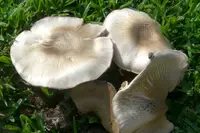
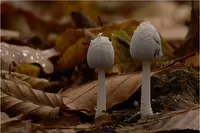
Candy cap, Lactarius rubidus, is not a leafy plant but a small mycorrhizal mushroom that partners with tree roots in forests. It is best known for its strong maple syrup or burnt sugar scent when dried.

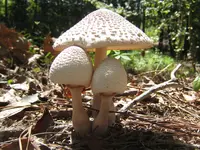
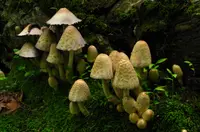
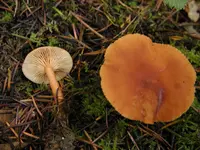
This mushroom typically appears in groups on the forest floor, with a slender stem and a reddish to cinnamon-brown cap that can become slightly depressed in the center. It is found mainly in western North America, especially under conifers and hardwoods.

In cultivation, it is challenging because it depends on a living tree host and specific soil fungi communities. Anyone exploring how to care for Candy Cap should understand that recreating its natural woodland conditions is difficult in home or garden settings.

Main Plant Requirements

Care Difficulty

Hard Care

Light Preference

Partial Shade

Water Requirements

Keep Soil Moist

Temperature Preference

Cool Climate

Hardiness Zone

Unknown

Soil Texture

Loamy, Silty, Organic-rich

Soil pH

Acidic (5.5–6.5), Slightly acidic (6.5–7.0)

Soil Drainage

Moist but well-drained

Fertilization

Minimal (feed rarely)

Get Personalized Care Plan

Scan your plant to receive care tips personalized for your specific plant

Available on iOS and Android

How to Care for the Candy Cap

This mycorrhizal mushroom prefers woodland light conditions rather than full open sun exposure.

  • Provide bright, filtered light with 2–4 hours of gentle morning sun and dappled shade the rest of the day in mixed forests.
  • Site Candy Cap under trees where fallen needles or leaves create shifting shade; avoid exposed south-facing slopes that receive harsh afternoon sun.
  • In summer, protect from strong, direct sun to prevent substrate drying; in cooler months, slightly more open canopy is acceptable if soil moisture stays stable.

This fungus depends on consistent soil moisture around its tree partners rather than direct watering of the fruiting bodies.

  • Maintain evenly moist, well-drained soil; top 2–5 cm should never become powder-dry or stay waterlogged for more than a day.
  • Use leaf litter, wood chips, or conifer needles as mulch to slow evaporation and buffer short dry spells, especially in late summer.
  • Watch for signs of overwatering such as standing water, sour smell, or moss overgrowth; poor fruiting and cracked soil surface point to chronic dryness affecting Lactarius rubidus.

This woodland species fruits best in cool to mild conditions typical of temperate forests.

  • Aim for 50–68°F (10–20°C) during the main fruiting season; short spikes outside this range are usually tolerated if soil stays moist.
  • Below 28–30°F (-2 to -1°C), repeated hard frosts can damage developing fruiting bodies, though underground mycelium often survives winter.
  • Above 80°F (27°C), prolonged heat combined with dry soil sharply reduces fruiting; partial shade and a thick mulch layer help moderate temperature swings.

This fungus forms mushrooms best in consistently moist, cool air rather than very dry conditions.

  • Aim for 60–80% humidity around fruiting areas, similar to a damp forest floor microclimate.
  • Dry air causes caps to crack, edges to curl, and mushroom surfaces to toughen prematurely.
  • Increase humidity by light, fine misting of the surrounding substrate, using damp leaf litter, or running a nearby humidifier without directly soaking the mushrooms.

Lactarius rubidus requires a specific outdoor soil environment because it forms mycorrhizae, a nutrient-sharing partnership, with tree roots.

  • Use a loose, well-drained, moderately moist, organic-rich loam with plenty of leaf litter or decomposed wood fragments.
  • Maintain soil that drains freely yet holds steady moisture; avoid compacted, waterlogged, or fully dried-out ground.
  • Slightly acidic soil, around pH 5.0–6.5, supports better mycorrhizal association and more reliable fruiting.
  • Improve structure and aeration by blending in leaf mold, fine bark, and coarse sand rather than dense compost alone.

This species is generally unsuitable for long‑term container growing because it depends on stable mycorrhizal relationships in open soil.

Lactarius rubidus is a mycorrhizal fungus, so focus on feeding the host tree and soil rather than the mushroom itself when caring for Candy Cap.

  • Use a light top-dressing of mature compost or leaf mold around the host tree once each spring to improve soil organic matter.
  • Avoid high-salt synthetic fertilizers; if needed, choose a balanced slow-release NPK at half strength, applied outside the trunk flare.
  • Feed only during the active growing season of the host tree, then stop in late summer to avoid pushing tender late growth.
  • Maintain a 5–8 cm organic mulch layer to foster healthy roots and fungal networks, but keep mulch away from the trunk.

Lactarius rubidus itself is not pruned, but managing surrounding vegetation can support healthier mushroom habitat.

  • In late winter or early spring, remove dead or badly damaged low branches on the host tree using clean, sharp bypass pruners or a saw.
  • Thin crowded understory shrubs and tall grasses to increase light and airflow at soil level without stripping the area bare.
  • Cut back invasive plants encroaching on the root zone so tree roots and associated fungi experience less competition for water and nutrients.
  • Avoid heavy pruning that shocks the host tree, since strong, stable root systems support more reliable fungal fruiting.

Lactarius rubidus is a mycorrhizal forest mushroom that is not repotted; focus on careful transplanting or planting of its host trees instead.

  • Transplant host seedlings or young trees in early spring or early fall when temperatures are mild and soil is workable.
  • Look for signs such as stunted top growth or roots circling a nursery container to decide when a young host tree needs a larger space.
  • Move plants into a hole 2–3× wider than the root ball, keeping the root flare at soil level and backfilling with native soil, not rich potting mix.
  • Water deeply after planting, then keep soil evenly moist for several weeks to reduce root stress and help fungal partners re-establish.

Lactarius rubidus is rarely propagated directly; instead, it spreads via spores and mycorrhizal associations with suitable host trees.

Lactarius rubidus is naturally cold hardy in its native forest range and usually needs no special winter care.

Care Tips

Host tree selection

Establish Candy Cap mycelium only near suitable host trees such as Douglas fir or tanoak, since this ectomycorrhizal fungus depends on compatible roots for long-term survival and fruiting.

Minimal soil disturbance

Avoid digging, raking, or tilling the soil where Candy Caps fruit, because breaking the shallow fungal network can sharply reduce mushroom production for several seasons.

Leaf litter management

Maintain a light layer of natural leaf litter or conifer needles over the mycelium zone to protect moisture and structure, but remove thick, matted layers that stay waterlogged and limit gas exchange.

Targeted irrigation zone

When supplementing irrigation, water the root zone of the host trees in a wide ring rather than directly on emerging mushrooms, which supports mycelium health while reducing physical damage and rot of fruiting bodies.

Gentle harvesting technique

Twist or cut mushrooms cleanly at the base and leave the underlying mycelium and surrounding small pins undisturbed, which supports steady production when growing Candy Cap over multiple years.

Everything About Candy Cap

Common Pests and Diseases

Mycophagous slugs

These pests feed on young mushroom primordia and caps, often hollowing them out or leaving large ragged bites in wet weather.

Solution

Hand-pick slugs during damp evenings, use physical barriers such as copper tape or rough diatomaceous earth around fruiting areas, and reduce thick surface debris right around fruiting spots while still keeping enough leaf litter for Lactarius rubidus to thrive.

Fungus gnat larvae

These insects live in moist organic layers and can tunnel through developing mushroom stems and caps, causing distorted or collapsing fruit bodies.

Solution

Improve surface drainage, avoid overwatering nearby host plants, and use sticky traps to reduce adult gnats; in severe cases a biological control such as Bacillus thuringiensis israelensis (Bti) applied to the surrounding soil can reduce larval populations without harming the mycelium.

Maggot infestation

This pest problem is caused by fly larvae (maggots) that burrow inside the caps and gills, leaving soft, waterlogged tissue and fine tunnels.

Solution

Harvest mushrooms promptly once they reach usable size, remove and discard heavily infested fruit bodies away from the patch, and cover prized fruiting areas with fine insect mesh just before peak fly activity to limit egg-laying on young caps.

Competing mold fungi

This disease issue appears as patches of fast-growing, fluffy or powdery mold that overrun Lactarius rubidus mycelium or fruiting sites, especially in overly disturbed or nutrient-rich spots.

Solution

Gently remove and discard moldy surface debris, avoid adding rich composts or fertilizers on the host tree’s root zone, and keep the habitat stable with moderate moisture and an undisturbed leaf-litter layer so the established mycelium can outcompete opportunistic molds.

Parasitic bolete fungi

This disease-like interaction involves parasitic fungi such as Pseudoboletus parasiticus that can colonize nearby mycorrhizal networks, sometimes reducing fruiting of the target species over time.

Solution

Maintain a diverse but not overcrowded fungal habitat by avoiding import of unknown wild soil or mushroom-laden mulch, remove and discard parasitic fruiting bodies if they appear repeatedly in the core Lactarius rubidus patch, and support host tree health so the mycorrhizal association remains vigorous and competitive.

Interesting Facts

Distinct maple-syrup aroma

When dried and cooked, this mushroom releases a strong maple-syrup or curry-like aroma from its volatile compounds, which is why it is often used as a dessert flavoring rather than a savory mushroom.

False milk production

Unlike many Lactarius species, its latex (the milky fluid from gills) is very scant or almost absent, which can make it harder to recognize as a typical milkcap for beginners.

Mycorrhizal with conifers

This species forms mycorrhizal partnerships with conifer roots, especially under Douglas-fir and other conifers in western North America, exchanging mineral nutrients for sugars from the host tree.

Botan icon

Did you know?

In some regions of the western United States, foragers specifically seek this species as a natural flavoring for ice cream, custards, and syrups, because its dried fruiting bodies can impart a pronounced maple-like taste without adding actual sugar.

FAQs about Candy Cap

This mushroom is considered edible and is valued for its strong maple syrup aroma that intensifies when dried. Only collect it if identification is absolutely certain, as some similar red Lactarius species can cause illness.

Grow Healthy Plants with Botan Care

Keep your plants happy and healthy with plant identification, disease detection, and easy care guidance.

Botan plant care app — identify plants on mobile

Explore More Plants