Early structural staking
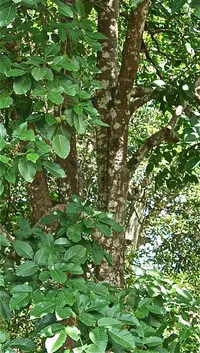
Install a sturdy stake or narrow trellis when the plant is still young and loosely tie the main stem with soft ties to prevent wind rock and trunk bending as it gains height and weight from foliage and fruit.

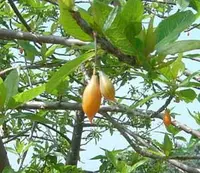
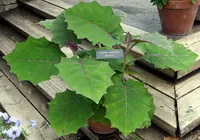
Vasconcellea quercifolia is a small tree or large shrub in the papaya family, valued mainly as a rare, cool-tolerant fruit species. It typically has lobed, oak-like leaves and an open, branching habit that gives it a light, airy look in the garden. Native to higher-altitude regions of South America, it is adapted to mild climates rather than tropical heat.
The plant is considered moderately challenging, as it dislikes hard frost, waterlogging, and long dry spells. It grows best in bright light, well-drained soil, and consistent moisture, which guides how to care for Vasconcellea quercifolia in a home landscape or collection.

Care Difficulty
Moderate Care

Light Preference
Full Sun

Water Requirements
Moderate Water

Temperature Preference
Warm Climate

Hardiness Zone
9–11

Soil Texture
Sandy, Loamy, Organic-rich

Soil pH
Acidic (5.5–6.5), Slightly acidic (6.5–7.0)

Soil Drainage
Well-drained

Fertilization
Light (every 4–6 weeks)
Scan your plant to receive care tips personalized for your specific plant
Available on iOS and Android
This species prefers bright, direct sun in mild climates with some protection from harsh summer exposure.
Watering should keep the root zone evenly moist but never saturated for sustained periods.
This subtropical species grows best in consistently warm, frost-free conditions.
This species benefits from moderate to high humidity, especially in warm conditions.
This species prefers a light, fast-draining, organically enriched substrate for strong root development.
This species can be grown in containers if they are sized and stabilized for its vigorous root and shoot growth.
This species benefits from light, consistent feeding to support leafy growth and fruiting.
Thoughtful pruning keeps this small tree manageable, healthy, and productive.
This plant is usually grown in the ground, so focus on careful transplanting and early root establishment.
This species is most often propagated from seed, with even warmth and moisture critical for success.
This subtropical tree is sensitive to freezing and needs thoughtful winter care in cooler climates.

Plant Health Check
Not sure what's wrong with your plant? Check your plant's health inside the app.
This species is a wild relative of papaya native to Andean regions of South America and is recognizable by its deeply lobed, oak-like leaves, which is the origin of its species name quercifolia, meaning oak-leaved.
Plants are typically dioecious, meaning male and female flowers grow on separate individuals, so fruit set in cultivation usually requires both sexes to be present.
Compared with commercial papaya, this species occurs naturally at higher elevations and tolerates cooler conditions, which has made it of interest in breeding programs aiming to improve cold tolerance in papaya relatives.
Growth is moderately fast in warm, frost-free climates, often adding 30–60 cm per year once established. Cooler temperatures, poor soil fertility, water stress, and root disturbance slow development, so stable conditions and balanced nutrition help maintain steady growth.
Keep your plants happy and healthy with plant identification, disease detection, and easy care guidance.