California Agaricus Care (Agaricus californicus)

California Agaricus

About California Agaricus

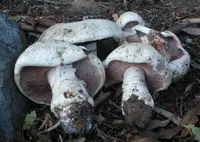
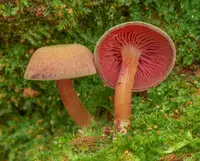
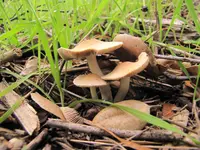
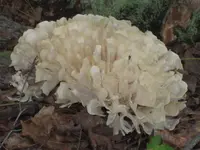
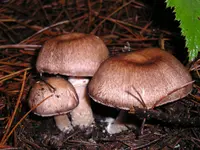
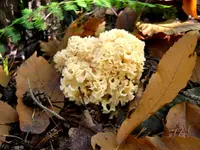
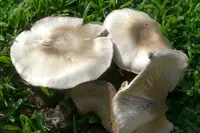
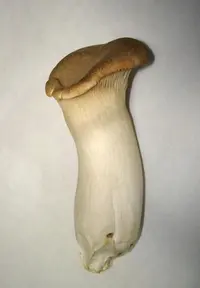
California Agaricus (Agaricus californicus) is a wild mushroom-forming fungus, not a green plant, commonly found in lawns, parks, and disturbed soil. It produces sturdy white to cream caps with crowded gills and a thick stem, often fruiting in groups or arcs. Native to western North America, it is especially associated with coastal and inland regions of California. This species can be confused with edible Agaricus relatives, which makes identification challenging. It prefers nutrient-rich, well-drained soil and often appears after rainfall or irrigation. Because it is not reliably edible, the main way to care for California Agaricus in a garden setting is to manage lawn and soil conditions rather than treat it as a food crop.

Main Plant Requirements

Care Difficulty

Hard Care

Light Preference

Partial Shade

Water Requirements

Keep Soil Moist

Temperature Preference

Cool Climate

Hardiness Zone

Unknown

Soil Texture

Loamy, Organic-rich

Soil pH

Slightly acidic (6.5–7.0)

Soil Drainage

Moist but well-drained

Fertilization

Minimal (feed rarely)

Get Personalized Care Plan

Scan your plant to receive care tips personalized for your specific plant

Available on iOS and Android

How to Care for the California Agaricus

This grassland mushroom prefers bright, open conditions with protection from intense drying sun.

  • Provide 4–6 hours of direct morning sun or light midday sun, with some dappled shade during the hottest afternoon period.
  • Site California Agaricus where nearby grasses or low plants cast light shade, preventing caps from scorching and substrate from baking dry.
  • In summer, avoid exposed spots with full afternoon sun; in cooler seasons, choose more open exposure so the soil surface warms and fruiting is encouraged.

This species requires consistently moist, not waterlogged, soil around the developing mycelium and fruiting bodies.

  • Aim for soil that stays evenly moist in the top 5–8 cm; allow only the upper 1–2 cm to dry slightly between thorough soakings.
  • Favor deep, infrequent irrigation guided by observation: shrinking caps, dry cracking soil, or limp stems suggest underwatering, while soggy soil and foul odor suggest overwatering.
  • Ensure the site for Agaricus californicus has loose, well-drained, organic-rich soil so excess water moves away but moisture is retained within the top soil profile.

This mushroom develops best in mild, cool to warm conditions typical of coastal and lowland California.

  • Support active mycelial growth at about 55–70°F (13–21°C), with many flushes of fruiting bodies forming most reliably around 55–65°F (13–18°C).
  • Protect from frost, as tissue damage occurs near 30–32°F (-1–0°C); prolonged freezes can kill the mycelium in shallow soil layers.
  • Limit exposure to high heat; sustained temperatures above 80–85°F (27–29°C) combined with dry soil reduce fruiting and may cause caps to dry and deform.

This species develops fruiting bodies best in consistently moist, moderately humid conditions rather than dry air.

  • Aim for 70–85% humidity around the substrate to prevent caps from cracking and drying prematurely.
  • In very dry rooms, surface mycelium may yellow, edges of caps may curl, and pins can abort before expanding.
  • Increase humidity with a perforated humidity tent or monotub-style box, misting walls lightly without soaking the substrate surface.

Agaricus californicus fruits on nutrient-rich, loose compost-like substrate rather than typical garden soil.

  • Use a deep tray or bed filled with a fine, crumbly mix of well-aged manure, compost, and pasteurized straw for structure and organic matter.
  • Ensure excellent drainage so excess water drains freely, keeping the substrate evenly moist but never waterlogged or compacted.
  • Maintain a slightly alkaline pH around 7.5–8.0 by incorporating a small amount of gypsum or agricultural lime into the bulk mix.
  • Improve aeration by keeping the substrate fluffy, avoiding heavy clay or dense peat layers that restrict gas exchange and favor rot.

This fungus can be grown in containers such as trays or boxes when depth and aeration are managed carefully.

  • Choose a wide, shallow, rigid container that allows a 10–15 cm deep substrate layer so mycelium can spread horizontally.
  • Drill extra side holes near the lower walls to improve gas exchange and reduce stagnant, overly wet zones at the base.
  • Elevate the container on slats or bricks so runoff clears quickly and the base does not stay in standing water, which encourages anaerobic conditions.

This wild mushroom species is not a typical garden crop and usually does not require intentional fertilizing in outdoor settings.

Agaricus californicus does not require conventional pruning because it is a wild mushroom rather than a woody or leafy plant.

Cultivation in containers is uncommon, but basic transplanting principles apply if mycelium is moved for study or controlled culture.

  • Transplant only when growth slows, substrate is exhausted, or containers are fully colonized and dry out very fast.
  • Choose mild weather in spring or fall to reduce stress on mycelium and limit rapid substrate drying.
  • Prepare fresh, clean, pasteurized organic substrate and transfer colonized material gently to avoid breaking mycelial mats.
  • Keep the new container evenly moist, shaded, and well ventilated for 1–2 weeks after moving to support recovery.

Propagation of Agaricus californicus is specialized and usually limited to mycological research or controlled culture, not home gardening.

Outdoor populations of this native mushroom generally need no targeted winter care in its natural range.

Care Tips

Substrate Pasteurization

Before inoculation, heat bulk substrate such as composted manure or straw to 60–70°C for 1–2 hours to reduce competing fungi and bacteria without sterilizing the material completely.

Clean Inoculation Workflow

Set up a simple clean zone with wiped-down surfaces, sanitized tools, and minimized air movement, and complete spawning steps in one continuous session to lower the risk of contamination when growing California Agaricus.

Monitor CO₂ Levels

During spawn run and early pinning, maintain good air exchange by using filtered vents or periodic fanning so accumulated CO₂ does not cause long, weak stems and poor cap development.

Proper Casing Management

Apply a 2–3 cm deep, moist but not waterlogged casing layer of pasteurized peat-based mix or field soil, then keep it evenly damp with fine misting to promote steady pin formation and uniform flushes.

Timed Harvest Technique

Harvest mushrooms just before the veil fully breaks by twisting and lifting from the base rather than cutting, which helps reduce rot at the stump and encourages cleaner subsequent flushes.

Common Pests and Diseases

Mycophagous flies

These insects lay eggs in mushroom beds and the larvae tunnel through developing fruiting bodies and stems, causing deformation, discoloration, and rapid decay. Symptoms include soft, water-soaked tissue and small entry holes in caps or stems.

Solution

Use fine mesh or insect-proof netting over cultivation areas, promptly remove and discard infested mushrooms, and maintain good sanitation by clearing all trimmings and spent substrate. Yellow sticky traps can help monitor adult fly populations, and targeted use of biological controls such as Bacillus thuringiensis israelensis (Bti) in moist substrates may reduce larval numbers.

Fungal competitor molds

This disease occurs when fast-growing contaminant fungi such as Trichoderma colonize the substrate before or alongside the mushroom mycelium, leading to patchy growth, off-colors (green, gray, or black), and suppressed fruiting. Symptoms include dense patches of non-Agaricus mold that overrun the intended mycelium.

Solution

Discard heavily contaminated substrate and avoid moving spores to new batches by cleaning tools and surfaces with 70% alcohol or diluted bleach. In future batches, use properly pasteurized or sterilized substrate, minimize handling during colonization, and maintain stable temperature and humidity to favor healthy Agaricus californicus care instructions and reduce mold advantage.

Bacterial blotch

This disease is caused by bacteria that spread on wet mushroom surfaces, producing yellow to brown sticky spots or patches on caps. Symptoms include greasy-looking lesions that may coalesce, making mushrooms unmarketable and shortening shelf life.

Solution

Reduce excessive surface moisture by improving air circulation and avoiding overhead misting directly on caps, especially when temperatures are cool. Remove and discard affected mushrooms and clean benches, trays, and tools with a suitable disinfectant between flushes to lower bacterial load.

Sciarid fungus gnats

These insects are small dark flies whose larvae feed on mycelium and young pins, reducing yield and creating entry points for secondary infections. This pest often appears in damp, organic-rich substrates and can spread quickly through indoor or greenhouse setups.

Solution

Place yellow sticky cards above and around beds to monitor and reduce adult populations, and keep substrate surfaces as dry as practical between mistings. Biological controls such as beneficial nematodes (Steinernema species) applied to the substrate can target larvae, while strict sanitation and removal of decaying organic debris help break the life cycle.

Cobweb disease

This disease is caused by Cladobotryum species, producing fast-spreading, cottony white to gray mycelium over the casing surface and mushrooms, leading to soft rot and collapse of affected fruiting bodies. Symptoms include a spiderweb-like growth that can quickly envelop clusters if not controlled.

Solution

At first signs, remove and discard infected mushrooms and surrounding casing material in sealed bags to prevent spore spread. Spot-treat affected areas with a mild food-safe disinfectant or carefully applied diluted hydrogen peroxide, improve air movement to keep surfaces slightly drier, and thoroughly clean the growing area between cycles to remove residual spores.

Interesting Facts

Frequently misidentified edible

This species closely resembles several edible field mushrooms, which leads to frequent misidentification by foragers, yet it is considered poisonous and should not be eaten.

Distinct yellow staining

When its flesh or cap surface is bruised or cut, it typically stains bright yellow, especially at the base of the stem, a key field feature used to separate it from some edible Agaricus species.

Phenolic chemical odor

Mature specimens often develop a noticeable phenolic or ink-like smell, which is associated with toxic yellow-staining Agaricus species rather than the mild, pleasant odor of common edible button mushrooms.

FAQs about California Agaricus

This mushroom is considered poisonous and should not be eaten. It can cause significant gastrointestinal distress, including nausea, vomiting, and diarrhea. Always avoid consuming wild Agaricus species unless identified as edible by an expert mycologist.

Grow Healthy Plants with Botan Care

Keep your plants happy and healthy with plant identification, disease detection, and easy care guidance.

Botan plant care app — identify plants on mobile

Explore More Plants