Purple-edged Lute Care (Callistosporium purpureomarginatum)

Purple-edged Lute

About Purple-edged Lute

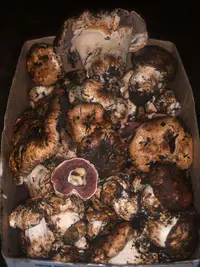
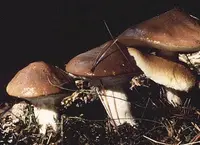
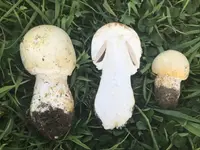
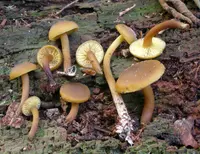
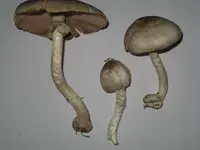
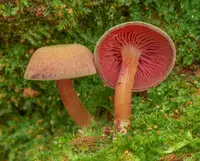
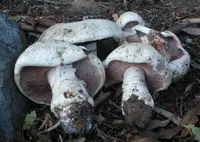
Purple-edged lute, Callistosporium purpureomarginatum, is not a true plant but a small woodland mushroom known for its pale cap edged with distinct purple tones. The gills and stem can also show subtle violet coloring, making it quite striking on decaying wood or leaf litter.

This fungus occurs mainly in temperate forests, often associated with conifers or mixed woods, and typically appears in moist, cool seasons. It does not adapt well to casual home cultivation, so attempts to care for Purple-edged Lute are usually limited to experienced fungal growers or research settings.

In nature it depends on specific wood substrates and stable humidity, which makes it more demanding than many common cultivated mushrooms.

Main Plant Requirements

Care Difficulty

Hard Care

Light Preference

Partial Shade

Water Requirements

Keep Soil Moist

Temperature Preference

Cool Climate

Hardiness Zone

Unknown

Soil Texture

Loamy, Silty, Organic-rich

Soil pH

Acidic (5.5–6.5)

Soil Drainage

Moist but well-drained

Fertilization

Minimal (feed rarely)

Get Personalized Care Plan

Scan your plant to receive care tips personalized for your specific plant

Available on iOS and Android

How to Care for the Purple-edged Lute

This wood-inhabiting fungus prefers cool, dappled forest light rather than direct, open sun.

  • Provide bright, filtered light with 2–4 hours of soft morning sun and shade the rest of the day, similar to a deciduous woodland edge for Purple-edged Lute.
  • Allow partial shade to deep shade; dense canopy cover or north-facing aspects help prevent drying of the substrate and fruiting bodies.
  • Avoid strong midday and afternoon sun, which can overheat and desiccate logs or stumps; in summer, use leaf litter or understory plants to maintain shade.

This species depends on consistently moist, not waterlogged, wood and surrounding substrate.

  • Maintain evenly moist, humus-rich soil and decaying wood; surface should feel damp but not soupy, with no standing water around the colonized log or stump.
  • During dry spells, moisten the substrate whenever the top 2–3 cm of soil or leaf litter feels dry to the touch, using gentle, low-pressure watering.
  • Watch for signs of excess moisture such as sour smell or slimy wood (overwatering) versus cracked, powder-dry wood and shrinking mycelial growth (underwatering) around Callistosporium purpureomarginatum.

This fungus favors cool to mild conditions and is sensitive to both hard frost and extreme heat.

  • Aim for typical fruiting conditions around 50–68°F (10–20°C), which align with many temperate forest autumn or spring periods.
  • Tolerate short dips near 32°F (0°C), but repeated freezing and thawing can damage fruiting bodies; mycelium in wood is usually safer below the surface.
  • Limit prolonged exposure above 77–82°F (25–28°C), since hot, dry weather can halt fruiting; in hotter seasons, shaded, north-facing sites moderate temperatures.

This wood-inhabiting fungus favors consistently moist air rather than dry indoor conditions.

  • Aim for 70–90% humidity around developing fruiting bodies to prevent caps from drying and cracking.
  • In prolonged air below 50%, edges shrivel and colors fade, indicating humidity stress.
  • Increase humidity by misting the nearby substrate, using a humidity tent, or placing trays of wet wood chips close by.

This fungus develops on decaying wood rather than conventional soil, but substrate conditions still matter.

  • Use well-aerated, organic-rich woody substrate such as hardwood chips, sawdust, or decomposed logs rather than mineral garden soil.
  • Ensure the substrate drains freely yet holds moisture, staying evenly damp but never waterlogged to avoid anaerobic (oxygen-poor) conditions.
  • Maintain a slightly acidic environment, roughly pH 5.0–6.5, which supports Callistosporium purpureomarginatum mycelium development and fruiting.
  • Improve structure by mixing coarse chips with finer particles so air spaces remain while water is retained within the wood.

This species can be grown in containers if provided with a deep, moisture-retentive woody substrate.

  • Choose a tall, rigid tub or bucket that allows a thick layer of wood-based substrate to support full mycelial colonization.
  • Drill multiple side and bottom holes so excess water drains while still allowing gas exchange into the interior substrate mass.
  • Place the container in a shaded, wind-sheltered position outdoors to reduce surface drying and maintain stable humidity around the fruiting bodies.

This native woodland fungus does not need fertilization under normal conditions, as Callistosporium purpureomarginatum obtains nutrients from decaying organic matter.

Pruning is not applicable for Callistosporium purpureomarginatum, because it is a wild saprophytic fungus rather than a managed garden plant.

This species is not suited to routine repotting or transplanting, since it forms a fungal network in soil or decaying wood rather than a typical root system.

  • Avoid disturbing colonies unless necessary for scientific or conservation reasons, as moving substrate can damage the underlying mycelium.
  • If relocation is required, transfer a generous block of original substrate, keeping it intact and slightly moist during the move.
  • Time any move for cool, moist weather in spring or autumn to reduce desiccation stress on the mycelium.
  • After transplanting substrate, maintain similar shade, moisture, and organic matter levels to approximate the original habitat.

Propagation of Callistosporium purpureomarginatum is specialized and generally left to professional mycologists, so home propagation is rarely attempted.

No special winter care is needed, as the fungal mycelium is typically cold hardy in its natural woodland habitat.

Care Tips

Sterile Substrate Setup

Use fresh, pressure-sterilized hardwood sawdust or a sawdust–woodchip mix in filter bags or lidded tubs to lower contamination risk when growing Purple-edged Lute in controlled conditions.

Controlled Inoculation Technique

Cool sterilized substrate to room temperature before mixing in grain spawn in a clean space, then compress lightly and seal containers to ensure even colonization and reduce entry points for molds and bacteria.

Targeted Moisture Management

After colonization, introduce small, evenly spaced air holes and mist only the surrounding fruiting chamber walls, not directly on the developing caps, to maintain a moist atmosphere without waterlogging the substrate.

Fructification Light Cue

Once mycelium has fully colonized the substrate, provide low-intensity diffuse light on a 10–12 hour cycle to help trigger and orient fruiting bodies without overheating the culture.

Hygiene And Rotation

Disinfect tools and work surfaces with 70% isopropyl alcohol before handling spawn, and rotate production batches so older, heavily fruited blocks are removed promptly to limit spread of competing fungi and pests.

Common Pests and Diseases

Fungal parasitism

This disease occurs when other fungi colonize the fruiting bodies, leading to distorted, discolored, or prematurely decaying caps and stems. Symptoms include patchy overgrowth on the surface or unusual textures on the mushroom tissue.

Solution

Remove and discard affected fruiting bodies promptly to limit spread, and avoid handling or moving contaminated material around the site. Improve airflow and reduce standing litter directly around the mushrooms so the substrate stays evenly moist but not waterlogged, which helps when caring for Purple-edged Lute in outdoor or culture settings.

Mycophagous insects

These insects feed on the soft tissues of the mushroom caps and gills, causing small pits, tunnels, or ragged edges. This pest often appears during warm, humid conditions when fruiting bodies are abundant.

Solution

Physically remove heavily infested mushrooms and any visible larvae, and collect spent or decaying fruiting bodies promptly so they do not attract more insects. Where cultivation is attempted, use fine mesh covers or enclosures to exclude adult insects while maintaining good airflow.

Slug and snail grazing

These pests chew irregular holes in caps and stipes and may completely consume small fruiting bodies. Symptoms include slime trails on or near the mushrooms and missing tissue along the margins.

Solution

Hand-pick slugs and snails in the evening or early morning and remove nearby debris, boards, or dense groundcover that provide daytime shelter. If protection is needed for monitored colonies, use physical barriers such as copper tape, coarse grit rings, or elevated mesh frames around the fruiting area.

Interesting Facts

Distinct purple gill edges

The most striking feature of this species is the vivid purple margin on the gills, which sharply contrasts with the otherwise yellowish to ochre gill surface and helps distinguish it from similar small brown mushrooms.

Wood-associated forest fungus

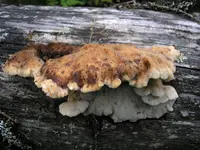
This fungus typically fruits on decaying conifer wood, bark, or woody debris in mixed or coniferous forests, where it contributes to the breakdown of lignin- and cellulose-rich material.

Slightly bitter, inedible flesh

The fruiting bodies are considered inedible, partly because the flesh is reported as bitter and unpalatable, and it is not collected for culinary use despite its attractive coloration.

FAQs about Purple-edged Lute

This fungus is not considered edible. It is poorly studied, has no culinary value, and may contain irritant compounds. It should be treated as inedible and left in place rather than collected for food.

Grow Healthy Plants with Botan Care

Keep your plants happy and healthy with plant identification, disease detection, and easy care guidance.

Botan plant care app — identify plants on mobile

Explore More Plants