Substrate pasteurization
Before inoculation, heat-treat hardwood sawdust or well-aged wood chips at 150–170°F for 1–2 hours to reduce competing fungi and bacteria while preserving some beneficial organisms.

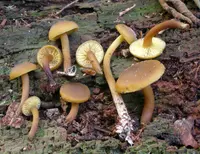
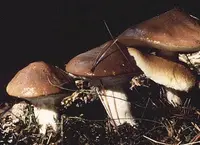
Callistosporium luteo-olivaceum, sometimes informally called Olive Lute, is a small woodland mushroom rather than a true garden plant. It produces yellow to olive-brown caps with gills that often show similar olive tones, usually appearing in clustered groups on decaying wood or rich forest litter.
This species occurs mainly in temperate forests of Europe and North America, where it helps decompose organic matter. It is not a common choice for home cultivation, and its specific needs make it unsuitable for beginners who wish to care for Olive Lute. In nature it prefers cool, moist, shaded habitats with consistently damp, well-rotted wood or humus-rich soil.

Care Difficulty
Moderate Care

Light Preference
Partial Shade

Water Requirements
Keep Soil Moist

Temperature Preference
Cool Climate

Hardiness Zone
Unknown

Soil Texture
Loamy, Organic-rich

Soil pH
Slightly acidic (6.5–7.0)

Soil Drainage
Moist but well-drained

Fertilization
Minimal (feed rarely)
Scan your plant to receive care tips personalized for your specific plant
Available on iOS and Android
This wood-inhabiting fungus prefers low to moderate forest light rather than full, open sun.
This fungus depends on consistently moist but not waterlogged woody substrate and surrounding soil.
This species fruits best in cool to mild conditions rather than temperature extremes.
This wood-decaying fungus prefers moist air similar to a damp forest floor, around 60–80% humidity.
This species fruits on decaying wood, so it requires a wood-based, free-draining substrate rather than typical garden or potting soil.
This fungus can be grown in containers when the vessel is set up to mimic moist, decaying wood conditions.
This wild saprotrophic fungus does not require routine fertilization in gardens or natural settings.
Callistosporium luteo-olivaceum is not managed by pruning, since the visible part is a short-lived fruiting body, not a woody plant.
This species is not suited to container culture, so management focuses on moving colonized substrate rather than classic repotting.
Reproduction is mainly by microscopic spores, so intentional propagation is uncommon and technically demanding for home growers.
This fungus is typically cold hardy in its native woodland habitats and does not need targeted winter care in the ground.

Plant Health Check
Not sure what's wrong with your plant? Check your plant's health inside the app.
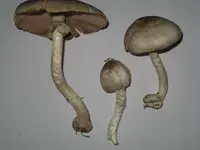
Mature caps of this fungus often develop a muted olive to yellow-olive tone, especially toward the center, which helps distinguish it from other dull brown woodland mushrooms.
It grows on well-rotted conifer wood, typically forming small, scattered clusters where most original wood structure has already broken down, indicating a role in later stages of wood decomposition.
Although not deadly, its flesh is distinctly bitter and considered inedible, which helps reduce the risk of accidental consumption compared with more palatable look-alike species.

Microscopic examination of Callistosporium luteo-olivaceum reveals smooth, non-amyloid spores and often yellowish hyphae in the cap flesh, features that mycologists rely on to separate it reliably from similar small brown woodland fungi.
This fungus is not considered edible and should be treated as inedible. Identification can be difficult, and some similar species are toxic. For safety, do not consume it and avoid feeding it to animals.
Keep your plants happy and healthy with plant identification, disease detection, and easy care guidance.